Pyramids of Egypt Secrets Revealed: Hidden Chambers, Ancient Mysteries & 2026 Travel Guide
The Pyramids of Egypt secrets have captivated the world for thousands of years, standing as powerful symbols of human ingenuity, mystery, and ancient civilization. Rising from the desert sands, these monumental structures continue to spark curiosity among historians, archaeologists, travelers, and researchers alike. How were they built with such precision? What hidden chambers still remain undiscovered? And what deeper meanings lie behind their design?
Beyond their mystery, the pyramids hold immense historical significance. Built during Egypt’s Old Kingdom, they reflect the advanced engineering, spiritual beliefs, and cultural achievements of one of the greatest civilizations in history. Today, they are not only a window into the past but also one of the most visited travel destinations in the world, attracting millions of visitors each year.
Table of Contents
In this guide, we’ll explore the most fascinating Pyramids of Egypt secrets, uncover their rich history, and provide practical travel tips for 2026; so whether you’re a curious reader or planning your dream trip, you’ll discover everything you need to know.
What Are the Pyramids of Egypt?
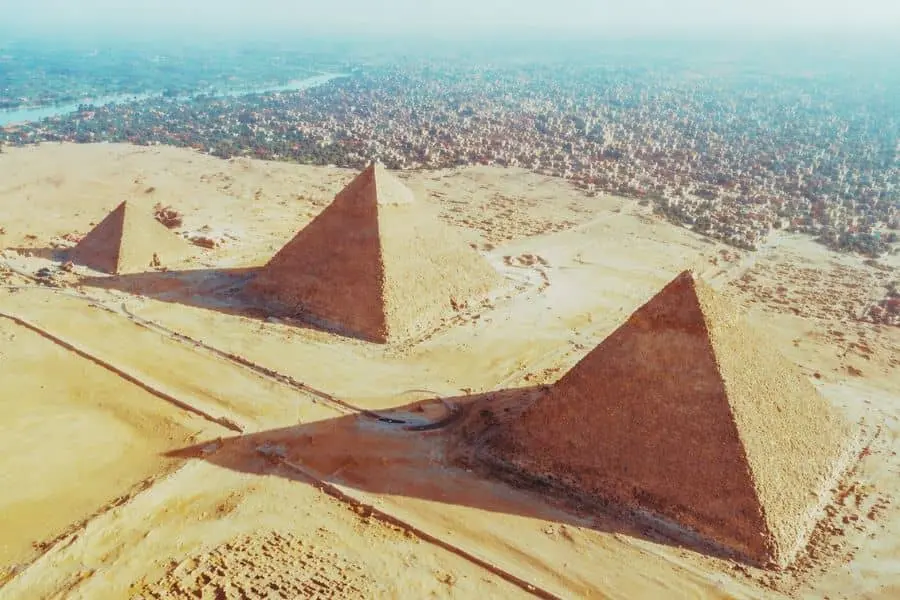
The pyramids of Egypt are massive stone structures built thousands of years ago as royal tombs for pharaohs. These iconic monuments were designed to protect the bodies of rulers and guide their souls into the afterlife, an essential belief in ancient Egyptian religion.
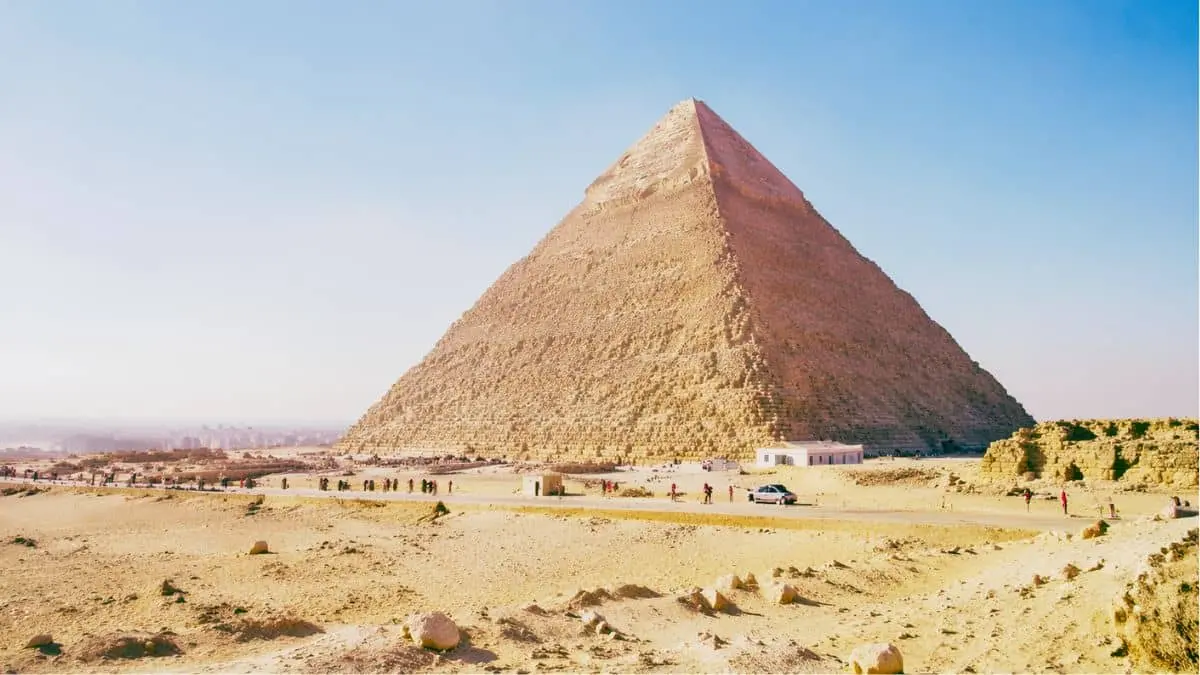
The most famous of these is the Great Pyramid of Giza, one of the Seven Wonders of the Ancient World. What makes the pyramids extraordinary is not just their size, but their precision, alignment, and the advanced engineering techniques used long before modern technology existed. Today, they remain a symbol of mystery, power, and human achievement.
Where Are the Pyramids Located?
Egypt is home to over 100 pyramids, most of which are located along the Nile River. The key pyramid sites include:
- Giza – The most famous site, home to the Great Pyramid, the Pyramid of Khafre, and the Pyramid of Menkaure, along with the Great Sphinx.
- Saqqara – Known for the Step Pyramid of Djoser, the earliest large-scale stone pyramid and a major breakthrough in pyramid design.
- Dahshur – Features unique pyramids like the Bent Pyramid and the Red Pyramid, showing the evolution of construction techniques.
These locations form a historical timeline of how pyramid building developed over centuries.
Who Built the Pyramids?
Contrary to popular myths, the pyramids were not built by slaves. Archaeological evidence shows they were constructed by skilled laborers, craftsmen, engineers, and workers who were well-fed, organized, and respected within society.
These workers were part of the advanced ancient Egyptian civilization, which had deep knowledge of mathematics, astronomy, and engineering. They used clever techniques like ramps, levers, and teamwork to move massive stone blocks weighing several tons.
This truth changes the narrative: the pyramids are not just monuments of rulers, but also a testament to the dedication, intelligence, and cooperation of thousands of ancient workers.
Pyramids of Egypt Secrets That Still Puzzle Experts
The Pyramids of Egypt secrets continue to challenge scientists and historians even today. Despite decades of research, many aspects of their construction, design, and purpose remain unexplained. These mysteries are what make the pyramids one of the most fascinating wonders in human history.
How Were the Massive Stones Transported?
One of the biggest mysteries is how ancient builders moved massive stone blocks weighing more than 2.5 tons without modern machinery.
Several theories attempt to explain this:
- Ramp Systems: Large straight or spiral ramps may have been used to drag stones upward as the pyramid grew.
- Water Transport: Some researchers believe stones were floated along the Nile and transported closer to the site using canals.
- Advanced Engineering Techniques: Evidence suggests the use of sledges, rollers, and lubrication (possibly water or oil) to reduce friction.
While no single theory fully explains the process, it’s clear that ancient Egyptians used highly organized labor and clever engineering solutions.
Hidden Chambers and Undiscovered Rooms
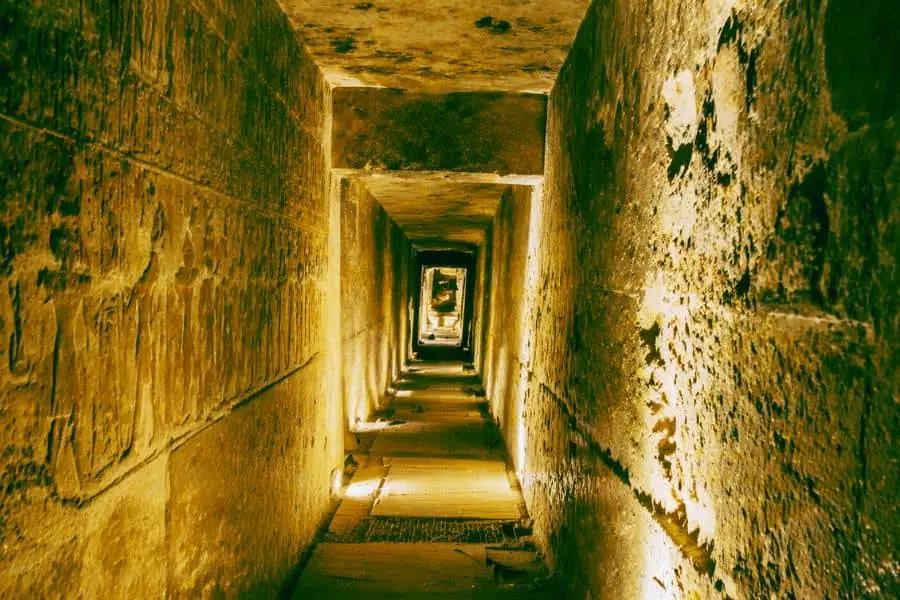
Modern technology has revealed new layers to the Pyramids of Egypt secrets. Using advanced scanning methods like thermal imaging and muon radiography, researchers have detected previously unknown voids and chambers inside the pyramids.
One of the most exciting discoveries was a large hidden void inside the Great Pyramid, identified by the international ScanPyramids Mission. These findings suggest that there may still be undiscovered rooms, passages, or even artifacts waiting to be explored without physically damaging the structures.
Alignment With Stars and Cosmic Theories
The pyramids are not randomly placed; they are aligned with remarkable precision. Some researchers believe the three main pyramids of Giza align with the stars of Orion’s Belt.
This has led to fascinating theories:
- The pyramids were designed to mirror the heavens.
- They may have had spiritual or cosmic significance tied to the afterlife.
- Ancient Egyptians could have had advanced astronomical knowledge far beyond what we assume.
Although debated, this alignment continues to fuel curiosity and research.
The True Purpose Beyond Tombs
Traditionally, pyramids are believed to be royal tombs, but some theories suggest a deeper purpose behind their construction.
Alternative ideas include:
- Spiritual Gateways: Structures designed to help pharaohs ascend to the afterlife.
- Energy Centers: Some believe pyramids harness natural energy, though this lacks scientific proof.
- Religious Symbolism: Their shape may represent the rays of the sun, connecting pharaohs to the sun god Ra.
While many of these theories remain speculative, they highlight how the Pyramids of Egypt secrets continue to inspire debate, imagination, and discovery even in 2026.
The History Behind the Pyramids of Egypt
To truly understand the Pyramids of Egypt secrets, we need to look back at their historical roots. These structures were not built randomly; they were the result of centuries of innovation, religious beliefs, and powerful leadership during one of Egypt’s most important eras.
The Old Kingdom Era (2686-2181 BC)
The majority of Egypt’s pyramids were constructed during the Old Kingdom, often called the “Age of the Pyramids.” This period marked a time of stability, wealth, and strong centralized rule.
Pyramids were built as tombs for pharaohs, who were believed to be divine rulers. Ancient Egyptians believed in the afterlife, and the pyramid served as a sacred resting place to protect the king’s body and ensure a successful journey to the next world.
The design, location, and structure of each pyramid were deeply connected to religion, especially the worship of the sun god Ra. The shape itself symbolized rays of sunlight, helping the pharaoh ascend to the heavens.
Famous Pharaohs and Their Pyramids
Some of the most iconic pyramids are associated with powerful rulers whose legacies still live on today:
- Khufu – Built the Great Pyramid of Giza, the largest and most famous pyramid ever constructed.
- Khafre – Known for the second-largest pyramid at Giza and often linked to the Great Sphinx.
- Menkaure – Built the smallest of the three main Giza pyramids, but still an impressive structure.
These pharaohs used pyramids not only as tombs but also as symbols of their power and divine status.
Evolution of Pyramid Design
The journey of pyramid construction shows remarkable innovation over time.
- Step Pyramids: The earliest example is the Step Pyramid of Djoser at Saqqara, designed as a series of stacked platforms.
- Bent Pyramid: Located in Dahshur, this pyramid shows an experimental phase, with a noticeable change in angle halfway up.
- Smooth-Sided Pyramids: The final evolution, seen in the Great Pyramid of Giza, features straight, smooth sides forming the classic pyramid shape we recognize today.
This evolution highlights how ancient Egyptian builders learned from trial and error, refining their techniques to create some of the most enduring structures in human history.
Together, this rich history helps explain why the Pyramids of Egypt’s secrets continue to fascinate the world; they are not just monuments, but milestones of human progress and imagination.
Travel Guide to the Pyramids of Egypt (2026)
Planning a trip to see the Pyramids of Egypt secrets in person is a once-in-a-lifetime experience. Whether you’re traveling from the USA, UK, Europe, Asia, or beyond, knowing what to expect in 2026 will help you make the most of your visit.
Best Time to Visit the Pyramids
The best time to visit the pyramids is during the cooler months, from October to April. During this period, temperatures are more comfortable, especially for walking and exploring.
- Winter (Dec–Feb): Pleasant weather, but can be crowded with tourists.
- Spring (Mar–Apr): Great balance of good weather and fewer crowds.
- Summer (May–Sep): Extremely hot, with temperatures often exceeding 40°C (104°F), making daytime visits challenging.
Pro Tip: Visit early in the morning or late afternoon to avoid heat and crowds while enjoying better lighting for photos.
Entry Fees, Tickets & Opening Hours (2026)
While exact prices may change, here’s what you can expect in 2026:
- General Entry Fee: Around $10-$20 USD (varies for foreigners vs locals)
- Pyramid Interior Access: Additional ticket required for entering certain pyramids
- Opening Hours: Typically 8:00 AM – 5:00 PM (hours may extend in peak seasons)
For the most accurate and updated information, always check official tourism websites like the Egyptian Ministry of Tourism before your visit.
What to Wear and Bring
The desert environment requires smart preparation:
- Lightweight, breathable clothing (cotton or linen)
- Comfortable walking shoes (sand and uneven terrain)
- Sunglasses, hat, and sunscreen for sun protection
- Reusable water bottle to stay hydrated
- Small backpack for essentials
Modest clothing is recommended out of respect for local culture, especially in nearby areas.
Safety Tips for Travelers
Visiting the pyramids is generally safe, but it’s important to stay aware:
- Avoid unofficial guides who may overcharge or pressure you
- Agree on prices in advance for camel rides or souvenirs
- Keep valuables secure in crowded areas
- Stay hydrated and avoid midday heat to prevent exhaustion
- Follow local guidelines and signs when exploring restricted areas
Stick to licensed tour operators or verified guides for a smoother and safer experience.
With the right preparation, exploring the Pyramids of Egypt’s secrets in 2026 can be both inspiring and unforgettable; a perfect blend of history, mystery, and adventure.
Must-See Attractions Near the Pyramids
When exploring the Pyramids of Egypt secrets, don’t miss the incredible attractions surrounding the Giza Plateau. These experiences add depth to your visit, combining history, culture, and unforgettable desert adventures.
The Great Sphinx of Giza
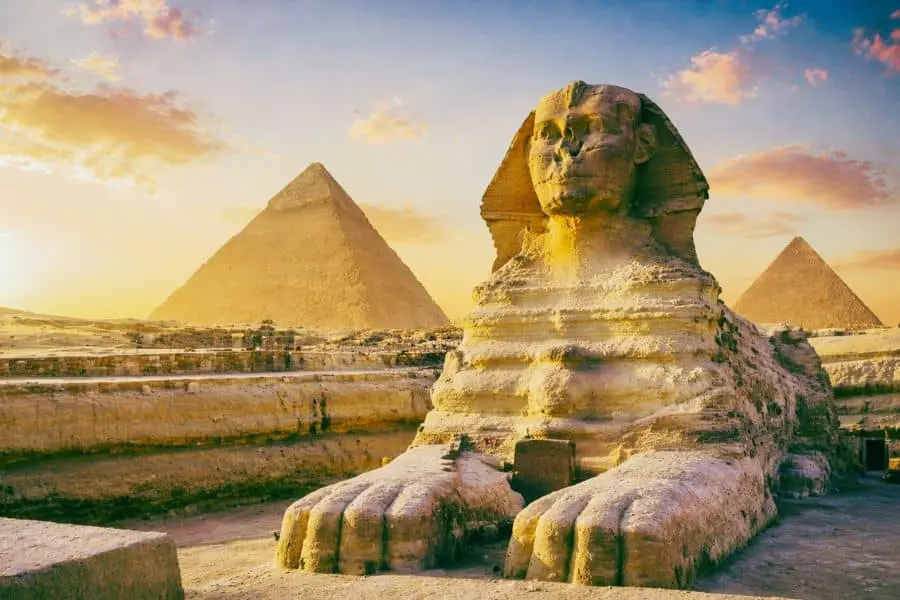
One of the most iconic monuments in the world, the Great Sphinx of Giza stands as a mysterious guardian near the pyramids.
- Features a lion’s body with a human head, believed to represent Pharaoh Khafre
- Carved from a single piece of limestone
- Thought to symbolize strength, wisdom, and protection
Despite centuries of study, many mysteries remain, especially the missing nose and theories about hidden chambers beneath it. It’s a must-see landmark that perfectly complements the pyramids.
The Solar Boat Museum
Located near the Great Pyramid, the Giza Solar Boat Museum offers a rare glimpse into ancient Egyptian burial practices.
- Houses the reconstructed Khufu Solar Boat, over 4,500 years old
- The boat was buried beside the pyramid to transport the pharaoh in the afterlife
- Built using traditional wooden joinery; no nails
This museum highlights the advanced craftsmanship and spiritual beliefs behind the Pyramids of Egypt secrets.
Camel Rides & Desert Experiences
No trip to Egypt is complete without experiencing the desert landscape around the pyramids.
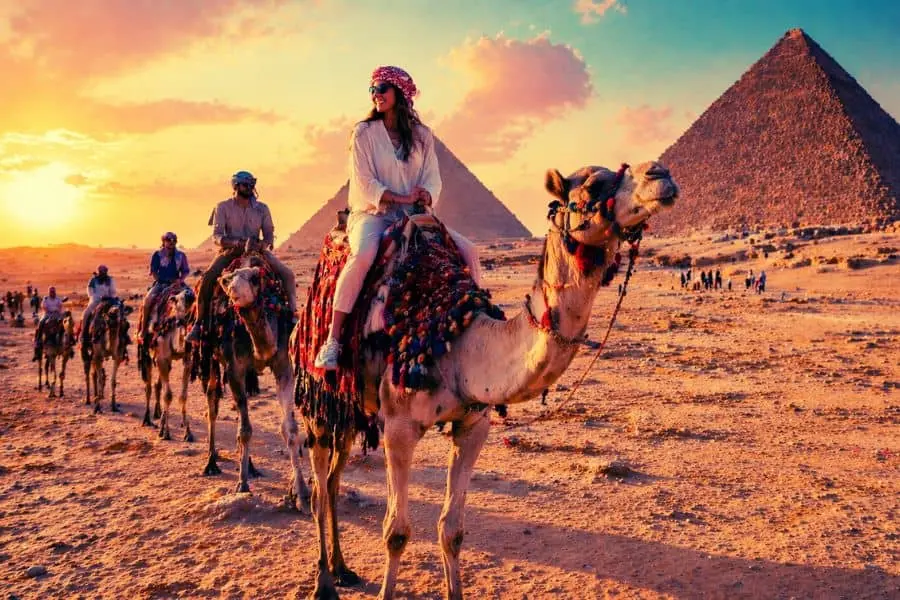
- Camel rides offer a traditional way to explore the area
- Stunning sunrise and sunset views create perfect photo opportunities
- Guided desert tours provide cultural insights and storytelling
Travel Tip: Always agree on prices beforehand and choose licensed guides to avoid scams.
Exploring these nearby attractions will turn your visit into a richer, more immersive journey, bringing the Pyramids of Egypt secrets to life beyond just the structures themselves.
Myths vs Facts About Pyramids of Egypt Secrets
The Pyramids of Egypt secrets have inspired countless myths, theories, and internet debates. While some ideas are fascinating, many are far from the truth. Let’s separate fact from fiction.
Were Aliens Involved?
This is one of the most popular conspiracy theories, but there is no scientific evidence to support it.
Myth: Aliens helped build the pyramids because humans couldn’t achieve such precision.
Fact: Archaeological discoveries show that skilled workers, engineers, and planners from ancient Egypt built the pyramids using advanced techniques for their time.
Excavations have uncovered worker villages, tools, and detailed planning methods, proving that human ingenuity, not extraterrestrials, was behind these wonders.
Are There Hidden Treasures Inside?
The idea of secret treasure chambers is exciting, but reality is different.
Myth: The pyramids are filled with gold, jewels, and hidden riches waiting to be discovered.
Fact: Most valuable items were looted thousands of years ago, shortly after the pyramids were sealed.
However, not everything is known. Some hidden chambers and voids discovered through modern scanning suggest there may still be unexplored areas, but not necessarily treasure-filled rooms.
Can You Go Inside the Pyramids?
Yes, but with some limitations.
Fact: Visitors can enter certain pyramids, including the Great Pyramid of Giza, by purchasing an additional ticket. Inside, you’ll find:
- Narrow passageways and steep tunnels
- Basic chambers with minimal decoration
- A unique, slightly claustrophobic experience
What to expect:
- Limited space and ventilation
- No grand treasure rooms (most are empty)
- Strict rules to protect the structures
While the interior may seem simple, the experience of walking inside one of the world’s greatest ancient structures is unforgettable.
Understanding these myths and facts helps you appreciate the Pyramids of Egypt secrets more clearly, separating imagination from historical reality while keeping the mystery alive.
Why the Pyramids Still Matter Today
The secrets of the Pyramids of Egypt are not just relics of the past; they continue to shape our world today. From cultural identity to scientific inspiration, these ancient structures remain deeply relevant in the modern era.
Cultural & Historical Importance
The pyramids are recognized globally as a symbol of human achievement and cultural heritage. The Giza Plateau is part of the UNESCO World Heritage Site list, highlighting its universal value and the need for preservation.
- They represent the beliefs, traditions, and power of ancient Egypt
- Serve as an educational resource for historians and archaeologists
- Attract millions of visitors each year, supporting tourism and local economies
More than just monuments, the pyramids are a living connection to one of the world’s greatest civilizations.
Influence on Modern Architecture & Science
The design and construction of the pyramids continue to inspire modern innovation.
- Architecture: Pyramid shapes influence buildings, monuments, and structural design worldwide
- Engineering: Their precision and durability inspire new construction techniques
- Science & Research: Ongoing studies using advanced technology (like 3D scanning) help improve our understanding of ancient methods
Engineers and scientists still study the pyramids to learn how such massive structures have stood strong for over 4,000 years.
Even in 2026, the secrets of the Pyramids of Egypt remain a powerful reminder of what humans can achieve, bridging ancient history with modern knowledge and inspiration.
Conclusion
The secrets of the Pyramids of Egypt continue to stand as one of the greatest mysteries and achievements in human history. From their precise construction and hidden chambers to their powerful cultural and spiritual meaning, these ancient wonders still spark curiosity and debate thousands of years after they were built.
What makes the pyramids truly remarkable is not just their size, but their lasting impact on human imagination. They connect us to the intelligence and creativity of ancient Egyptian civilization, while also reminding us how much we are still discovering today.
Whether you are fascinated by history, archaeology, or travel, the pyramids offer something unforgettable for everyone. Exploring them in person is more than just a trip; it’s a journey into the past, where every stone tells a story and every shadow holds a secret.
If you ever get the chance, step into the world of the pharaohs and experience the magic yourself. The Pyramids of Egypt’s secrets are not just meant to be read; they are meant to be explored.
FAQs
Why are the Pyramids of Egypt so famous?
The Pyramids of Egypt are famous because they are among the oldest and most mysterious man-made structures in the world. Built over 4,500 years ago, they showcase advanced engineering skills and remain one of the Seven Wonders of the Ancient World, attracting millions of visitors every year.
What are the biggest secrets of the pyramids?
Some of the most fascinating Pyramids of Egypt secrets include hidden chambers detected through modern scanning, precise astronomical alignment with stars, and still-debated construction techniques used to move massive stone blocks without modern machines.