10 Fascinating Traditions That Still Exist Today Worldwide
Ancient traditions are not just relics of the past; they are still alive and shaping millions of lives today. In fact, many customs practiced centuries ago continue to influence how people celebrate, connect, and define their identity in the modern world.
Across continents, you can still find fascinating traditions that still exist today worldwide, surviving against the odds and adapting to modern times while keeping their original spirit intact.
Table of Contents
In this article, we’ll explore 10 rare and remarkable traditions from colorful celebrations to unusual rituals that continue to thrive in different corners of the world.
What Are Traditions That Still Exist Today Worldwide?
Traditions are customs, beliefs, and practices passed down from one generation to the next. They can include festivals, rituals, ceremonies, food habits, and ways of life that reflect a community’s shared history. Cultural heritage, on the other hand, is the broader concept that includes these traditions along with monuments, languages, art, and values that define a society.
Even in today’s fast-changing world, many traditions that still exist today worldwide have managed to survive. While modernization, technology, and globalization have transformed lifestyles, communities often adapt their traditions rather than abandon them. Some rituals are simplified, others are celebrated in new ways, and many are even shared globally through tourism and media, helping them stay relevant.
These traditions play a vital role in shaping identity and preserving history. They connect people to their roots, strengthen community bonds, and provide a sense of belonging. Whether it’s a local festival or a centuries-old ritual, these living traditions remind us where we come from, and why it still matters today.
10 Rare Traditions That Still Exist Today Worldwide
Across different cultures, some of the most fascinating customs have stood the test of time. These traditions that still exist today worldwide offer a unique glimpse into how history, belief, and community continue to shape everyday life.
1. La Tomatina Festival (Spain)
Held annually in the small town of Buñol, La Tomatina is one of the world’s most unusual celebrations. Thousands of participants gather to throw tomatoes at each other in a massive, playful food fight.
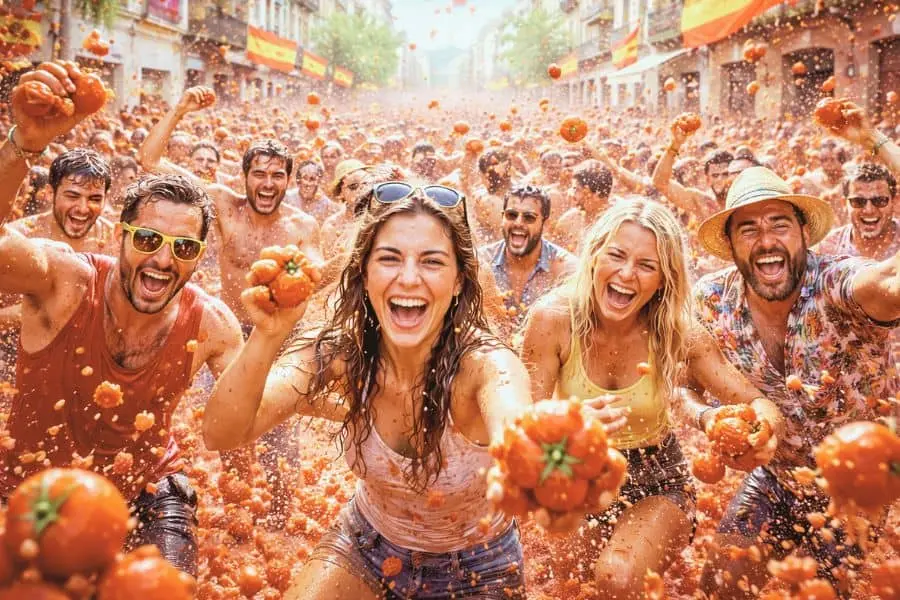
The festival began in the mid-20th century, reportedly as a spontaneous street brawl that evolved into an organized event. Today, it attracts tourists from around the globe while still maintaining its local charm and community spirit.
2. Maasai Jumping Dance (Kenya & Tanzania)
The Adumu, performed by the Maasai people, is a traditional warrior dance where young men jump as high as possible in a circle.
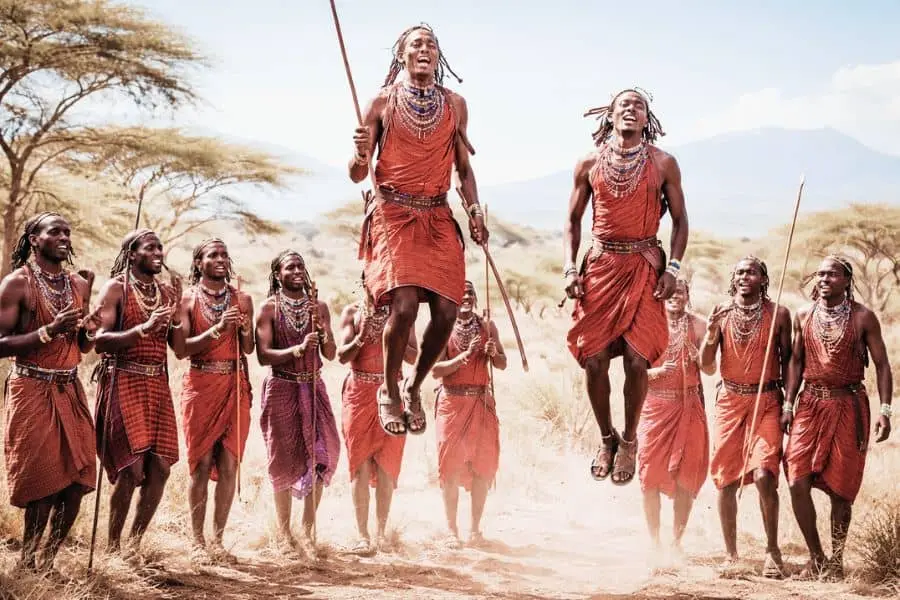
This dance is more than entertainment; it symbolizes strength, endurance, and readiness for adulthood. It remains an important rite of passage and a proud expression of Maasai identity.
3. Up Helly Aa Fire Festival (Scotland)
The Up Helly Aa is a dramatic Viking-inspired fire festival held in Scotland’s Shetland Islands. Participants dress as Norse warriors and march through the streets with flaming torches.
The highlight is the burning of a Viking longship, symbolizing heritage and community unity. This tradition keeps ancient Norse history alive in a modern setting.
4. Thaipusam Festival (India & Malaysia)
Thaipusam is a deeply spiritual Hindu festival celebrated mainly in India and Malaysia. Devotees perform acts of devotion, including carrying heavy structures called kavadi and, in some cases, body piercings.
These rituals represent faith, sacrifice, and devotion to Lord Murugan, showing the strength of belief that continues across generations.
5. Baby Jumping Festival (Spain)
Known as El Colacho, this unique tradition involves men dressed as devils jumping over babies lying on mattresses.
Dating back to the 17th century, the ritual is believed to cleanse infants of evil spirits and bring them protection and good fortune. Despite its unusual nature, it remains a respected cultural practice.
6. Hadaka Matsuri (Japan)
The Hadaka Matsuri, or “Naked Festival,” is held across Japan, with thousands of men wearing minimal clothing competing to grab sacred objects.
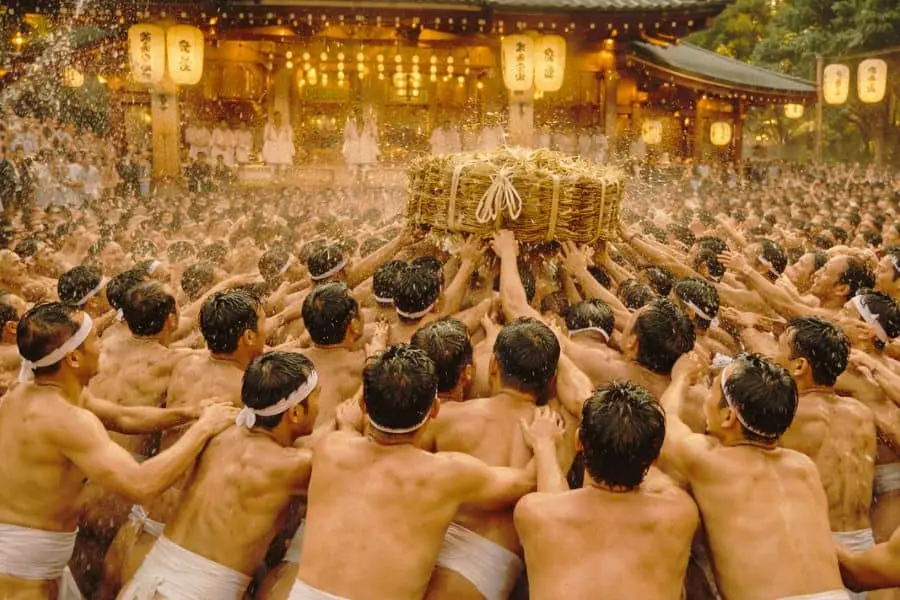
This centuries-old tradition symbolizes purification, luck, and spiritual cleansing. Participants believe that touching the sacred items will bring them good fortune for the year.
7. Day of the Dead (Mexico)
The Day of the Dead is a vibrant celebration honoring deceased loved ones. Families create colorful altars, decorate graves, and offer food, flowers, and personal items.
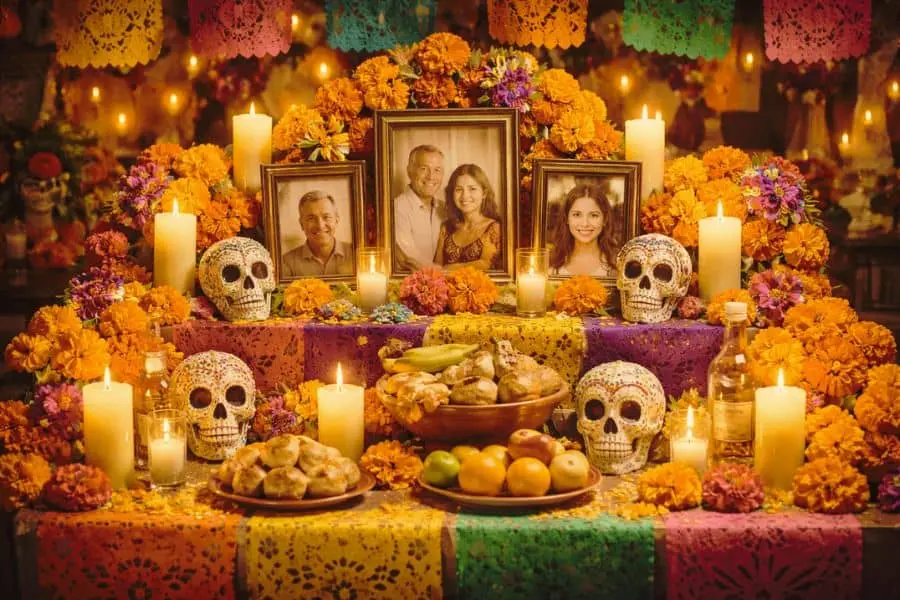
Rather than mourning, this tradition celebrates life and remembrance, blending indigenous beliefs with Spanish influences.
8. Gerewol Festival (Niger)
The Gerewol Festival is a unique courtship event where Wodaabe men dress elaborately and perform dances to attract female partners.
Men emphasize their beauty, charm, and stamina, challenging typical gender roles seen in many cultures. It highlights the importance of attraction and personal expression in Wodaabe society.
9. Monkey Buffet Festival (Thailand)
At the Monkey Buffet Festival, locals prepare large feasts of fruits and vegetables for monkeys.
This tradition is rooted in respect for animals and local beliefs, while also attracting tourists. It showcases a fascinating blend of spirituality and modern tourism.
10. Inti Raymi Festival (Peru)
The Inti Raymi is an ancient Incan ceremony revived in modern Peru. It honors Inti, the sun god, through elaborate reenactments and performances.
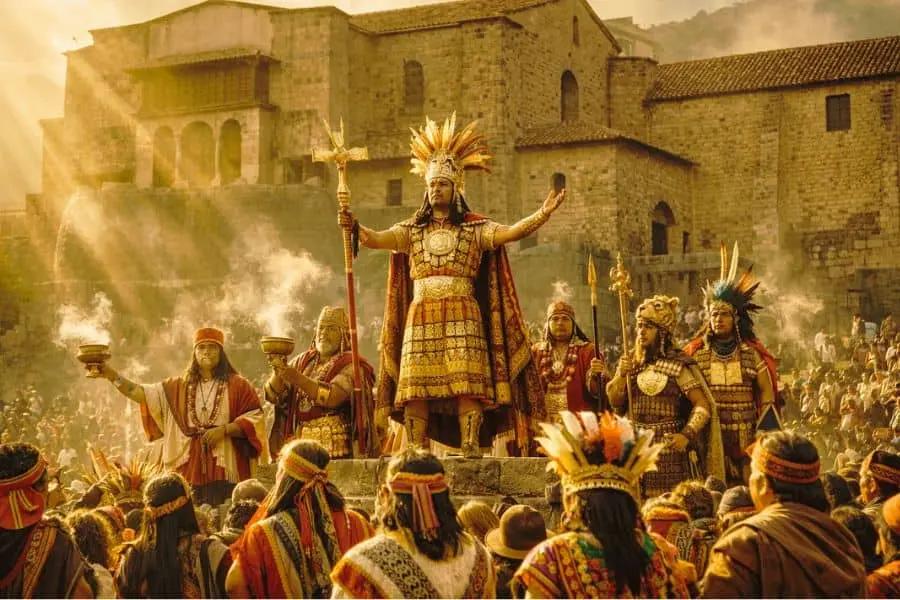
Originally celebrated by the Inca Empire, today’s festival preserves indigenous heritage while educating visitors about Peru’s rich history.
These traditions not only survive but continue to thrive, proving that cultural heritage remains a powerful force in our modern world.
Why These Traditions Still Matter Today
In a rapidly modernizing world, preserving traditions that still exist today worldwide is more than just honoring the past; it’s about maintaining a meaningful connection to identity, culture, and community.
Cultural Identity Preservation
Traditions serve as a foundation for cultural identity. They reflect who people are, where they come from, and what they believe in. Whether it’s a festival, ritual, or ceremony, these practices help communities retain their uniqueness in an increasingly globalized society.
Tourism and Economic Impact
Many traditional events attract visitors from around the world, boosting local economies. Festivals like La Tomatina or Day of the Dead generate income through tourism, supporting local businesses, artisans, and cultural preservation efforts.
Passing Values to Younger Generations
Traditions are powerful tools for education. They pass down important values, beliefs, and life lessons from elders to younger generations. By participating in these customs, young people learn about their heritage and develop a sense of pride and belonging.
Connection Between Past and Present
These traditions act as a living bridge between history and modern life. They allow people to experience the past in a tangible way while adapting to present-day realities. This connection ensures that cultural stories and knowledge continue to thrive rather than fade away.
How Modernization Is Affecting Traditional Practices
As the world becomes more connected, the future of traditions that still exist today worldwide is increasingly shaped by modernization. While progress brings convenience and innovation, it also creates challenges for preserving cultural heritage.
Globalization vs. Cultural Preservation
Globalization has made it easier for cultures to interact, share ideas, and influence one another. While this can enrich societies, it can also lead to the dilution of unique traditions. Younger generations may adopt global lifestyles, sometimes moving away from local customs. However, many communities are finding ways to balance both embracing modern life while keeping their traditions alive through festivals, education, and digital storytelling.
Risks of Traditions Disappearing
Some traditions face the risk of fading away due to urbanization, migration, and changing social values. As people move to cities or adopt new ways of living, traditional practices may lose relevance or participation. In some cases, rituals are simplified or commercialized, which can reduce their original meaning and authenticity.
Efforts to Protect Cultural Heritage
Despite these challenges, there are strong global and local efforts to preserve traditions. Organizations like UNESCO work to safeguard intangible cultural heritage by recognizing and protecting important practices worldwide.
At the same time, local communities, cultural groups, and governments are actively documenting traditions, organizing festivals, and teaching younger generations. These efforts ensure that traditions are not only preserved but also adapted in ways that keep them meaningful in today’s world.
Can Travelers Experience These Traditions Today?
Yes, many traditions that still exist today worldwide are open to visitors, offering unforgettable cultural experiences. However, experiencing them responsibly is key to preserving their authenticity and meaning.
Tips for Respectful Cultural Tourism
When attending traditional events, always respect local customs and rules. Dress appropriately, follow guidelines, and avoid disrupting rituals for photos or entertainment. Learning a bit about the tradition beforehand can help you appreciate its deeper meaning and show respect to the community.
Best Times and Places to Visit
Many traditions are tied to specific dates and locations. For example, La Tomatina takes place in August in Spain, while Day of the Dead is celebrated in early November across Mexico. Planning your trip around these events ensures you experience them at their most authentic and vibrant.
Importance of Ethical Travel
Ethical travel means supporting local communities rather than exploiting them. Choose local guides, buy handmade products, and respect cultural boundaries. Avoid treating traditions as mere attractions; they are meaningful practices with deep historical and spiritual roots.
By traveling responsibly, you not only enjoy unique experiences but also help ensure that these traditions continue to thrive for future generations.
Conclusion
In a fast-changing world, traditions that still exist today worldwide remind us of the deep roots that connect people to their history, culture, and identity. From vibrant festivals to meaningful rituals, these practices continue to shape communities and keep ancient stories alive.
By exploring and appreciating these traditions, we gain a better understanding of the rich diversity that makes our world unique. Each custom, no matter how small or unusual, carries generations of meaning and reflects the values of the people who preserve it.
As we move forward, it’s important to respect and protect these cultural treasures. Preserving traditions isn’t just about honoring the past; it’s about ensuring that future generations can experience, learn from, and carry forward the heritage that defines us all.
FAQs
What are traditions that still exist today worldwide?
Traditions that still exist today worldwide are cultural practices, rituals, and festivals that have been passed down through generations and are still actively celebrated. These include events like La Tomatina in Spain and Day of the Dead in Mexico, which continue to thrive in modern society.
Why do some traditions survive while others disappear?
Traditions survive when communities actively preserve and adapt them to modern life. Strong cultural identity, community participation, and support from organizations like UNESCO help keep traditions alive, while lack of interest or modernization can cause others to fade.