
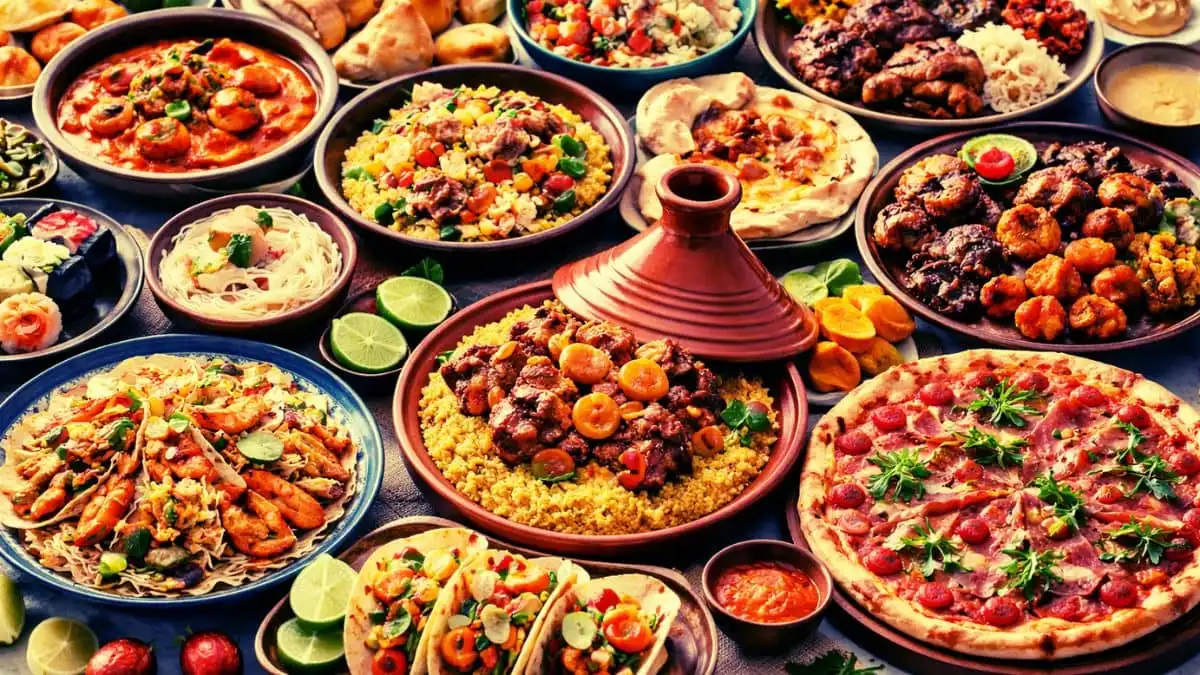
How Food Reflects Cultural History: Hidden Stories
Food is more than just nourishment; it is a powerful reflection of history, identity, and tradition. Every dish tells a story, carrying the flavors, techniques, and values passed down through generations. From family recipes to naties, what we eat often reveals where we come from and how societies have evolved over time.
Understanding how food reflects cultural history means looking beyond the plate. Migration has introduced new ingredients and cooking styles across borders, while trade routes have connected distant cultures through spices, grains, and culinary ideas. Colonization has blended food traditions; sometimes forcefully, creating entirely new cuisines. At the same time, geography and environment determine what ingredients are available, shaping local diets and cooking methods.
Table of Contents
In this article, we’ll explore how food reflects cultural history through global examples, uncovering the deep connections between cuisine and culture. From ancient traditions to modern fusion foods, you’ll discover how every meal carries a piece of history.
What Does It Mean: How Food Reflects Cultural History?
Food is more than something we eat every day; it’s a living record of human history. When we talk about how food reflects cultural history, we’re exploring how recipes, ingredients, and cooking methods carry stories of people, places, and time. Every meal is shaped by centuries of tradition, influenced by geography, climate, and historical events.
From the spices used in a dish to the way it’s prepared and shared, food reveals how communities have lived, adapted, and connected with others. It acts as a cultural archive, preserving traditions that might otherwise be forgotten.
Food as a Cultural Identity Marker
Traditional dishes are often at the heart of a community’s identity. They represent shared values, beliefs, and histories that define a group of people.
- Representation of communities:
Meals like Italy’s pasta, India’s curries, or Ethiopia’s injera are not just foods; they symbolize national and regional identity. These dishes reflect local ingredients, climate, and cultural practices. - Emotional and symbolic connections:
Food is deeply tied to memory and emotion. Family recipes passed down through generations often carry stories of ancestors, celebrations, and traditions. Festivals, religious rituals, and special occasions are frequently centered around specific foods, reinforcing cultural bonds.
The Link Between Food and Historical Events
To fully understand how food reflects cultural history, it’s important to look at the major historical forces that have shaped cuisines around the world.
- Wars and survival:
During times of conflict, food scarcity led to creative cooking methods and new dishes. Simple, resourceful meals often became staples in many cultures. - Trade routes and exchange:
Ancient trade networks like the Silk Road introduced spices, grains, and cooking techniques across continents. For example, spices from Asia transformed European cuisine. - Colonization and cultural blending:
Colonization brought dramatic changes to local diets. Ingredients like potatoes, tomatoes, and maize spread globally, reshaping traditional cuisines and creating fusion dishes. - Migration and globalization:
As people moved across borders, they carried their culinary traditions with them. This led to the blending of flavors and the creation of entirely new cuisines, especially in multicultural societies.
Together, these elements show that food is not static; it evolves with history. By understanding how food reflects cultural history, we gain deeper insight into the journeys, struggles, and creativity of different cultures around the world.
How Food Reflects Cultural History Across Different Regions
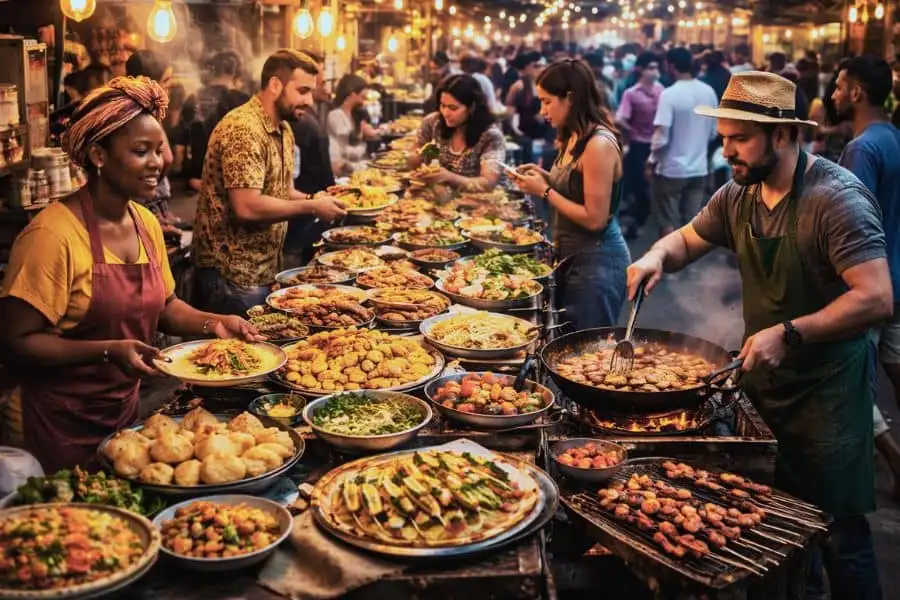
Food offers a fascinating lens into the past, revealing how societies have evolved over time. By exploring global cuisines, we can clearly see how food reflects cultural history through regional traditions, historical influences, and local ingredients. Each region’s cuisine tells a unique story shaped by its environment and experiences.
Asian Cuisine and Ancient Traditions
Asian cuisine is deeply rooted in ancient traditions, where food is closely connected to health, balance, and philosophy.
- Rice culture, spices, and herbal medicine:
Rice has been a staple for thousands of years across countries like China, India, and Japan, symbolizing life and prosperity. Spices and herbs are not only used for flavor but also for their medicinal properties, reflecting traditional healing systems like Ayurveda and Traditional Chinese Medicine. - Influence of dynasties and philosophies:
Historical dynasties and belief systems such as Confucianism and Buddhism have shaped food practices, from cooking techniques to dining etiquette. The emphasis on balance, harmony, and seasonality continues to define Asian cuisine today.
European Cuisine and Colonial Influence
European food traditions reflect a long history of agriculture, social class systems, and global exploration.
- Bread, dairy, and wine traditions:
Staples like bread, cheese, and wine highlight Europe’s agricultural heritage and regional diversity. These foods often symbolize cultural identity and are deeply tied to local climates and farming practices. - Colonial expansion and ingredient exchange:
During the age of exploration, European powers brought back ingredients like tomatoes, potatoes, and chocolate from the Americas. These items eventually became essential to European cuisines, showing how global exchange reshaped traditional diets.
African Cuisine and Indigenous Roots
African cuisine is rich in history, rooted in indigenous practices and community-centered living.
- Local grains, roots, and communal cooking:
Ingredients such as millet, sorghum, yams, and cassava reflect the continent’s diverse climates and agricultural traditions. Cooking is often a communal activity, emphasizing unity and shared cultural values. - Oral traditions and heritage preservation:
Recipes and cooking methods are frequently passed down orally through generations. This keeps cultural heritage alive, even in the absence of written records, demonstrating a strong connection between food and identity.
American Cuisine and Cultural Fusion
American cuisine is a powerful example of how migration and cultural blending shape food history.
- Indigenous, African, and immigrant influences:
Native American ingredients like corn and beans, African cooking techniques, and European culinary traditions have all contributed to the diverse food landscape of the Americas. - The melting pot concept:
The United States and other parts of the Americas are known for their multicultural societies, where cuisines merge and evolve. Dishes like burgers, tacos, and barbecue reflect layers of cultural influence, showing clearly how food reflects cultural history through fusion and adaptation.
Across these regions, food acts as a cultural storyteller. By examining global cuisines, we gain a deeper understanding of traditions, migrations, and historical connections that continue to shape what we eat today.
Historical Factors That Shape Food Culture
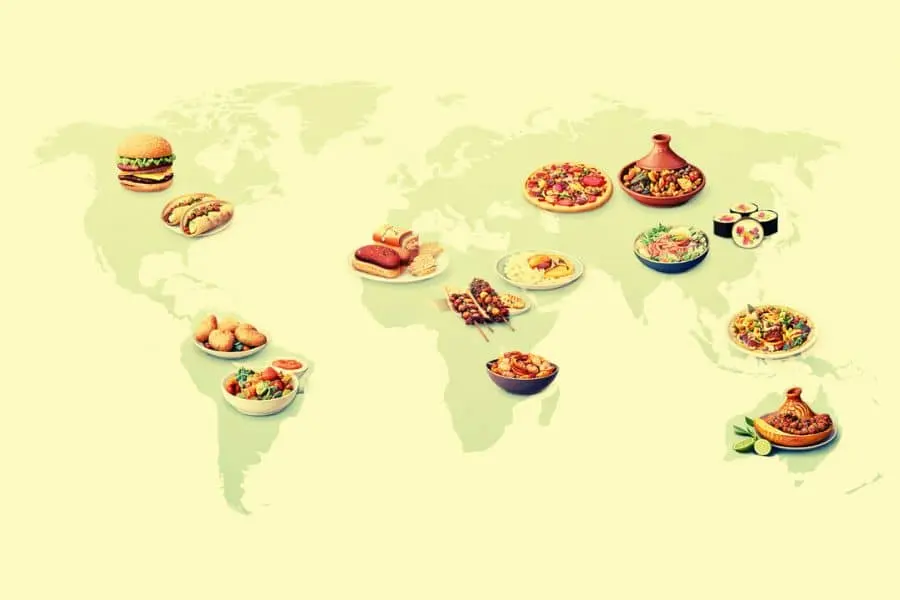
To truly understand how food reflects cultural history, we need to look at the key historical forces that have shaped what people eat over time. Food culture doesn’t develop in isolation; it evolves through interaction with the environment, global connections, and major historical events. These factors influence ingredients, cooking styles, and even the meaning behind certain dishes.
Geography and Climate
One of the most fundamental influences on food culture is the natural environment.
- Availability of ingredients:
Regions develop cuisines based on what grows or is available locally. Tropical areas often feature fruits, rice, and spices, while colder regions rely more on grains, meats, and preserved foods. This availability directly shapes traditional recipes and eating habits. - Coastal vs inland diets:
Coastal communities tend to consume more seafood, while inland regions depend on livestock, grains, and vegetables. For example, Mediterranean diets are rich in fish and olive oil, whereas landlocked regions often emphasize hearty, grain-based meals.
Trade Routes and Global Exchange
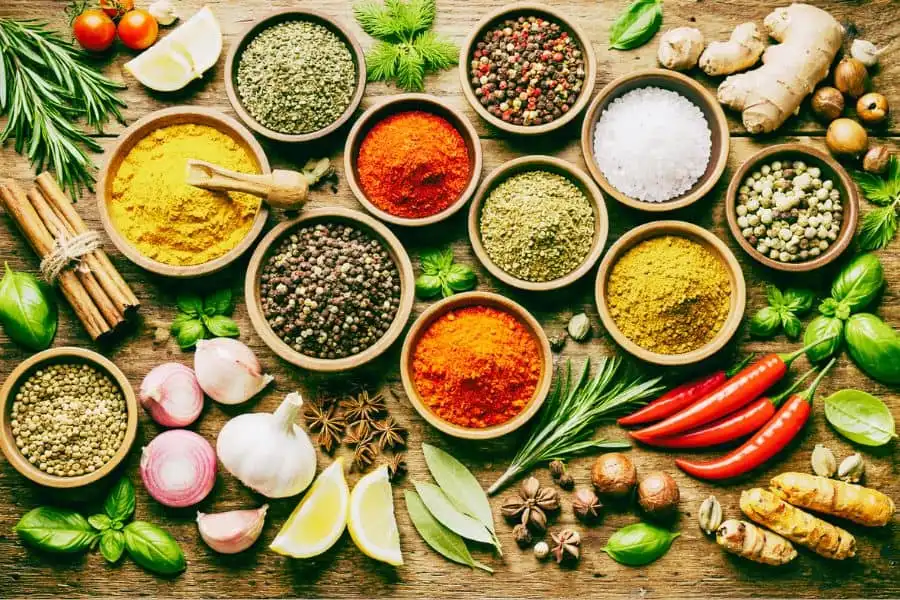
Trade has played a major role in shaping global cuisines and spreading culinary ideas.
- Spice trade and Silk Road:
Ancient trade networks like the Silk Road connected Asia, the Middle East, and Europe, allowing spices, herbs, and cooking techniques to travel across continents. Ingredients such as cinnamon, pepper, and saffron transformed regional cuisines. - Introduction of new ingredients:
As traders and explorers moved across the world, they introduced foods to new regions. For instance, crops like tomatoes, potatoes, and chili peppers spread globally, becoming staples in cuisines far from their origins.
Colonization and Cultural Blending
Colonization had a profound and often complex impact on food cultures around the world.
- Fusion cuisines:
When different cultures came into contact, sometimes through force, new culinary traditions emerged. These fusion cuisines blend indigenous ingredients with foreign cooking techniques, creating unique dishes that reflect multiple influences. - Power dynamics reflected in food:
Food can also reveal historical inequalities. Colonial powers often imposed their dietary habits while exploiting local resources. At the same time, enslaved and indigenous communities adapted and preserved their food traditions, influencing modern cuisines in lasting ways.
Together, these historical factors highlight how food reflects cultural history by showing how human interaction, environment, and global exchange have shaped the way we eat.
Traditional Dishes That Tell Cultural Stories
Food becomes even more meaningful when we look at specific dishes that carry deep historical and cultural significance. These iconic meals clearly demonstrate how food reflects cultural history, revealing stories of tradition, adaptation, and identity across generations.
Sushi (Japan) – Simplicity and Precision
Sushi is a perfect example of how culture values simplicity, balance, and craftsmanship. Originating as a method of preserving fish with fermented rice, it evolved into a refined culinary art in Japan.
- Reflects Japan’s close relationship with the sea
- Emphasizes freshness, minimalism, and presentation
- Influenced by centuries of tradition and disciplined techniques
Sushi showcases how a simple concept can evolve into a globally recognized symbol of cultural identity.
Pasta (Italy) – Evolution Through Trade
Pasta is deeply rooted in Italian culture, but its history reflects centuries of trade and cultural exchange.
- Wheat-based foods date back to ancient civilizations
- Trade routes introduced new shapes, sauces, and preparation styles
- Regional variations tell stories of local ingredients and traditions
From spaghetti to lasagna, pasta highlights how food reflects cultural history through adaptation and regional diversity.
Jollof Rice (West Africa) – Cultural Identity and Pride
Jollof rice is more than a dish; it’s a symbol of unity and friendly rivalry across West African nations like Nigeria, Ghana, and Senegal.
- Made with rice, tomatoes, spices, and regional variations
- Represents shared history and cultural pride
- Often served at celebrations and social gatherings
Its widespread popularity and variations reflect deep cultural connections and historical exchanges within the region.
Tacos (Mexico) – Indigenous Roots and Adaptation
Tacos are a staple of Mexican cuisine, rooted in indigenous traditions and shaped by historical influences.
- Originated from native ingredients like corn, beans, and chili peppers
- Spanish colonization introduced meats and new cooking methods
- Evolved into countless regional and modern variations
Tacos beautifully illustrate how food reflects cultural history, blending ancient practices with external influences to create something uniquely enduring.
These traditional dishes are more than just meals; they are cultural narratives on a plate. By exploring them, we gain a richer understanding of history, identity, and the global journey of food.
Why Understanding How Food Reflects Cultural History Matters Today
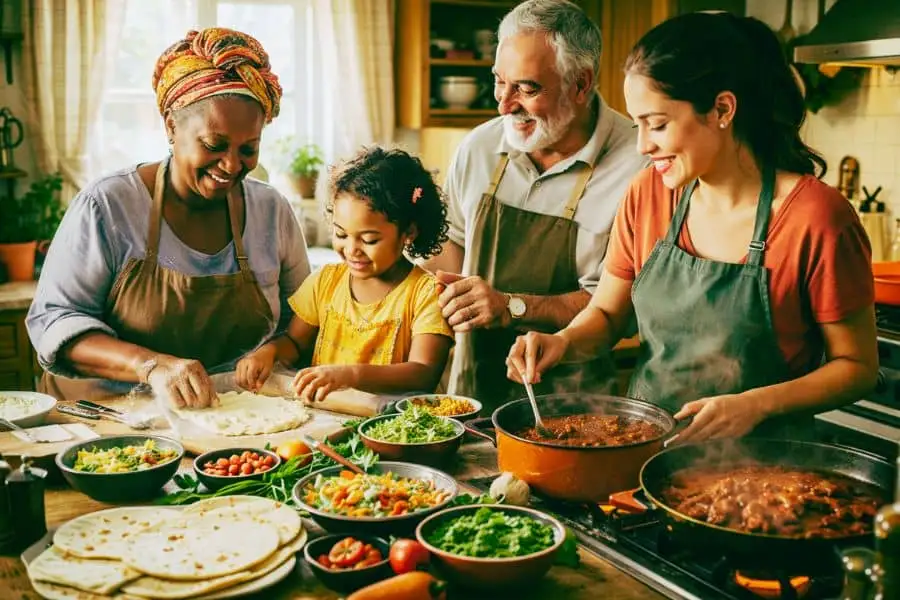
In today’s fast-changing world, food remains one of the most powerful ways to connect the past with the present. Understanding how food reflects cultural history helps us appreciate not only what we eat, but also the traditions, struggles, and stories behind every dish. It gives deeper meaning to everyday meals and highlights the importance of preserving cultural identity in a globalized society.
Preserving Cultural Heritage
Traditional recipes are like living history; they carry the knowledge and customs of generations.
- Importance of traditional recipes:
Many cultural dishes are passed down through families, often without written records. Preserving these recipes helps protect cultural heritage and ensures that future generations stay connected to their roots. - Cooking traditional meals keeps languages, rituals, and customs alive, especially in communities facing cultural change or migration.
Promoting Cultural Awareness and Respect
Food has a unique ability to bring people together and foster understanding across cultures.
- Food as a bridge between cultures:
Trying foods from different parts of the world allows people to experience new traditions and perspectives. It encourages curiosity, respect, and appreciation for cultural diversity. - Sharing meals can break down barriers, making food a universal language that connects people regardless of background.
Globalization and Modern Food Trends
As the world becomes more interconnected, food continues to evolve in exciting ways.
- Fusion foods and cultural adaptation:
Globalization has led to the rise of fusion cuisine, where elements from different cultures are combined to create new flavors and dishes. While this promotes creativity, it also highlights the importance of respecting the origins of traditional foods. - Modern food trends often reinterpret classic dishes, showing how how food reflects cultural history is an ongoing process shaped by innovation and cultural exchange.
By understanding these connections, we not only enjoy food more deeply but also gain insight into the diverse histories and cultures that shape our world today.
How Food Reflects Cultural History in Modern Society
In the digital age, the connection between food and history is more visible than ever. Modern platforms and global travel have made it easier to explore how food reflects cultural history in everyday life. From online storytelling to cultural tourism, food continues to evolve while preserving its deep historical roots.
Social Media and Food Storytelling
Social media has transformed the way we experience and share food.
- Platforms like Instagram, YouTube, and TikTok allow people to showcase traditional recipes, cooking methods, and cultural food stories to a global audience.
- Home cooks and chefs share the history behind dishes, helping preserve traditions in a modern format.
- Viral food trends often bring attention to lesser-known cuisines, highlighting how food reflects cultural history in visually engaging ways.
Food Tourism and Cultural Exploration
Traveling for food has become a major way people connect with different cultures.
- Food tourism encourages travelers to explore local cuisines, street food, and traditional cooking practices.
- Experiencing authentic dishes in their place of origin provides deeper insight into a region’s history and lifestyle.
- Culinary tours, cooking classes, and local markets allow visitors to engage directly with cultural traditions.
Revival of Traditional Recipes
There is a growing movement to rediscover and preserve traditional foods.
- Many chefs and communities are reviving ancient recipes that were nearly lost over time.
- This revival often focuses on using local, sustainable ingredients and traditional cooking techniques.
- It reflects a renewed appreciation for heritage and identity, reinforcing how food reflects cultural history even in modern kitchens.
Today, food is not just about taste; it’s about storytelling, connection, and cultural preservation. By embracing both tradition and innovation, modern society continues to celebrate the rich history behind every dish.
Conclusion
Food is far more than a daily necessity; it is a powerful reflection of human history, shaped by traditions, geography, and major historical events. From local ingredients influenced by climate to recipes transformed through trade, migration, and colonization, every dish tells a story. Understanding how food reflects cultural history allows us to see the deep connections between what we eat and the journeys of people across time.
Preserving culinary heritage is essential in maintaining these cultural stories. Traditional recipes, cooking methods, and food rituals connect generations and protect identities in an increasingly globalized world. By valuing and safeguarding these traditions, we ensure that history continues to live on through food. As you explore different cuisines, remember that each meal offers a glimpse into a culture’s past. Whether trying a new dish, traveling, or cooking at home, take the opportunity to appreciate how food reflects cultural history and discover the rich diversity that unites us all through taste.
FAQs
What does “how food reflects cultural history” mean?
It means that food shows the history, traditions, and identity of a culture. Ingredients, cooking methods, and dishes develop over time based on geography, trade, migration, and historical events.
Why is food important in understanding cultural history?
Food helps us understand how people lived in the past, what resources they had, and how cultures interacted. It preserves traditions and tells stories that written history sometimes cannot.