Empire Building Strategies in World History Explained
Empire building in world history refers to the process by which powerful states expand their territory, influence, and control over other regions through a combination of military force, political strategy, economic systems, and cultural integration. From ancient times to the modern era, empires have shaped borders, societies, and global power structures in lasting ways.
Understanding empire building strategies in world history is still highly relevant today. Many of the same principles, strong leadership, strategic alliances, economic dominance, and control of resources, continue to influence modern geopolitics and global economics. By studying how past empires rose and fell, we gain valuable insights into leadership decisions, international relations, and the balance of power in today’s world.
Table of Contents
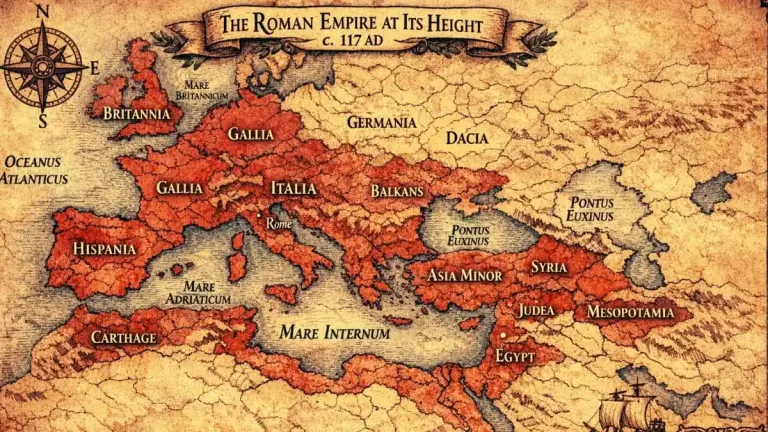
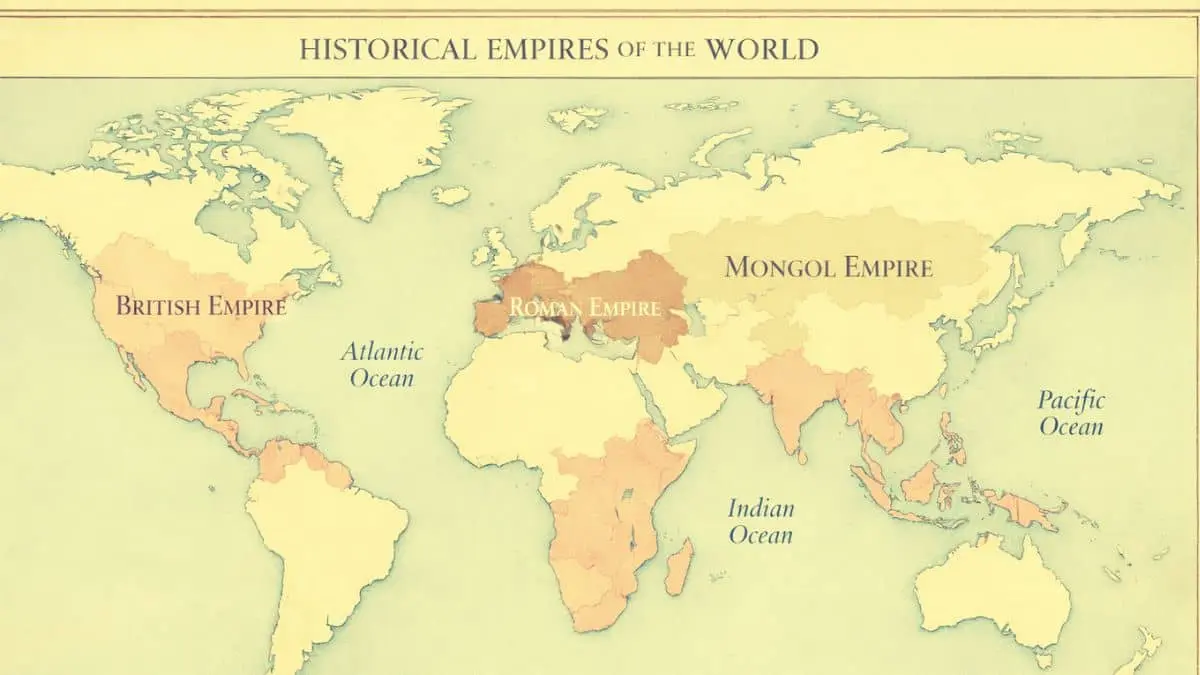
Consider the vast reach of the Roman Empire, known for its advanced governance and military discipline; the rapid expansion of the Mongol Empire, driven by speed and adaptability; and the global dominance of the British Empire, built on naval power and trade networks. Each of these empires used distinct strategies to achieve power, offering powerful lessons that still resonate in today’s interconnected world.
What Are Empire Building Strategies in World History?
Empire building strategies in world history refer to the methods and systems used by states to expand their power, establish authority, and maintain control over vast territories and diverse populations. These strategies were not one-size-fits-all; they evolved based on the needs, ambitions, and circumstances of each empire.
At the core, three key concepts define empire building. Expansion involves extending territorial boundaries through conquest, exploration, or colonization. Governance refers to how rulers organized and managed their empires, including laws, administration, and leadership structures. Control focuses on maintaining authority over conquered regions, often through military presence, taxation systems, and cultural influence.
These strategies varied widely depending on several factors. Geography played a major role; land-based empires like the Mongol Empire relied on mobility across vast plains, while maritime powers such as the British Empire used naval strength to dominate distant territories. Technology also influenced success, from advanced weaponry to innovations in transportation and communication. Leadership was equally critical, as strong, strategic rulers often determined whether an empire thrived or collapsed.
To better understand these dynamics, empire building strategies can be grouped into four main categories: military strategies (conquest and defense), political strategies (governance and diplomacy), economic strategies (trade and resource management), and cultural strategies (integration and influence). Together, these elements formed the foundation of powerful empires throughout history.
Military Strategies That Built Powerful Empires
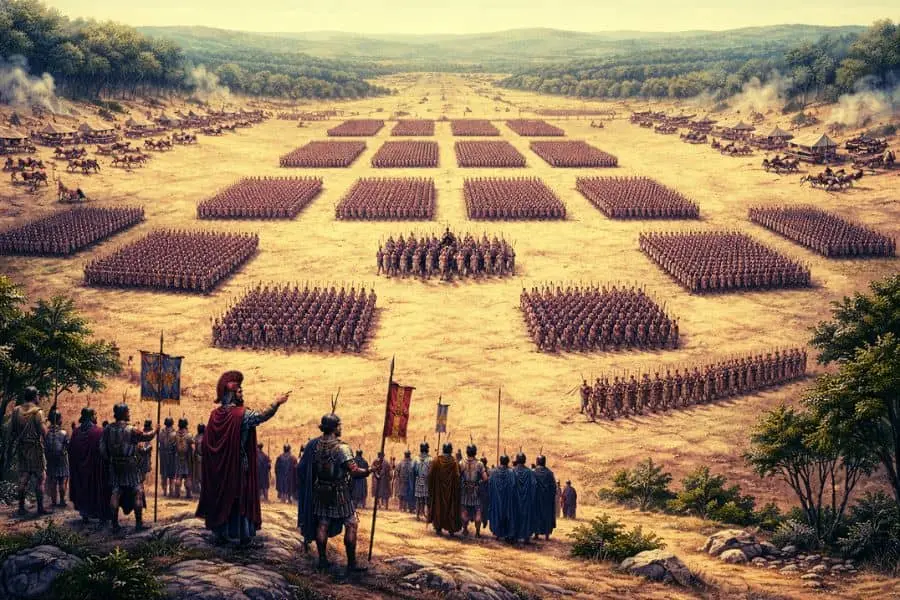
Military strength was often the foundation of successful empires. Effective empire building strategies in world history relied on well-organized forces, innovative tactics, and the ability to project power across vast regions. From disciplined infantry to advanced naval fleets, military strategies determined how quickly and effectively empires could expand and maintain control.
Conquest and Expansion Tactics
One of the most important elements of empire building was the ability to conquer new territories efficiently. The Roman Empire demonstrated this through its highly disciplined legions, which followed strict training, formation tactics, and chain of command. This organization allowed Rome to defeat larger or less coordinated forces and steadily expand its borders.
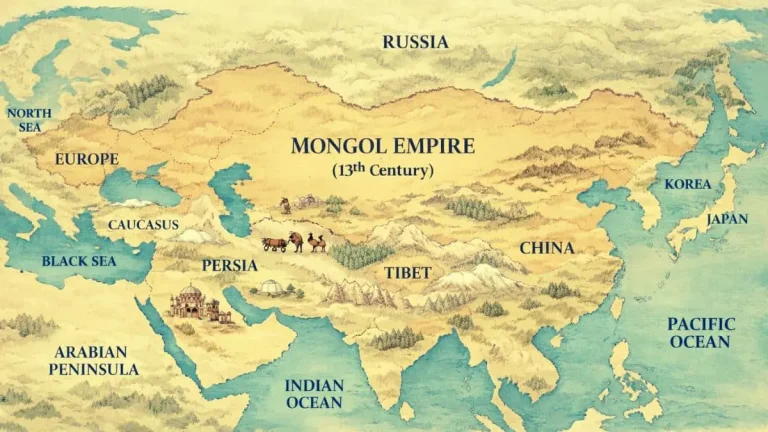
In contrast, the Mongol Empire relied on speed and mobility. Mongol cavalry units could travel vast distances quickly, striking enemies unexpectedly and retreating before counterattacks. This flexibility made them one of the most formidable expansion forces in history.
Technological Advantages in Warfare
Technological innovation played a crucial role in military success. Empires that developed superior weapons, armor, and battlefield tactics often gained a decisive edge over their rivals. Advancements such as siege engines, improved metallurgy, and coordinated formations allowed armies to overcome fortified cities and strong defenses.
Naval power was equally important, especially for overseas expansion. The British Empire built its dominance on a strong navy, controlling key sea routes and enabling global trade and colonization. Mastery of the seas allowed Britain to project power far beyond its homeland.
Psychological Warfare and Fear
Beyond physical force, many empires used psychological strategies to weaken their enemies. Fear and intimidation were powerful tools that reduced resistance and discouraged rebellion. The Mongol Empire, for example, was known for its reputation of harsh retaliation against those who resisted, which often led cities to surrender without a fight.
By combining disciplined forces, technological superiority, and psychological tactics, empires were able to expand rapidly and maintain control over vast territories, making military strategy a cornerstone of empire-building throughout history.
Political Strategies Behind Long-Lasting Empires
While military power helped empires expand, political strategy determined how long they could survive. The most successful empire building strategies in world history focused on creating stable systems of governance, building alliances, and establishing clear laws. These elements allowed empires to manage large, diverse populations over long periods.
Centralized vs Decentralized Governance
Empires adopted different approaches to governance depending on their size and complexity. In highly centralized systems, power was concentrated in the hands of a strong ruler or a central authority. The Roman Empire is a classic example, where emperors and a structured administrative system maintained control across vast territories.
On the other hand, some empires used decentralized governance, granting regional leaders a degree of autonomy. This approach allowed local rulers to manage their own affairs while still recognizing the authority of the empire. It was especially effective in geographically large or culturally diverse regions, where strict central control would have been difficult to maintain.
Diplomacy and Alliances
Not all expansion and control came through warfare. Diplomacy played a key role in strengthening empires without constant conflict. Strategic alliances formed through treaties, political marriages, and partnerships helped secure borders, reduce threats, and expand influence.
For example, the British Empire often used diplomatic agreements alongside military power to maintain control over territories and establish global influence. These alliances could stabilize regions and create mutually beneficial relationships.
Law and Administration Systems
A strong legal and administrative framework was essential for maintaining order within an empire. Codified laws ensured consistency and fairness, making it easier to govern diverse populations. The legal system of the Roman Empire, often referred to as Roman law, became a foundation for many modern legal systems.
Equally important was an efficient bureaucracy. Organized systems of officials, record-keeping, and taxation allowed empires to function smoothly. Without effective administration, even the most powerful empires struggled to maintain control over time.
By balancing governance structures, diplomatic efforts, and strong legal systems, empires were able to achieve long-term stability, proving that political strategy was just as important as military strength in world history.
Economic Strategies That Sustained Empires
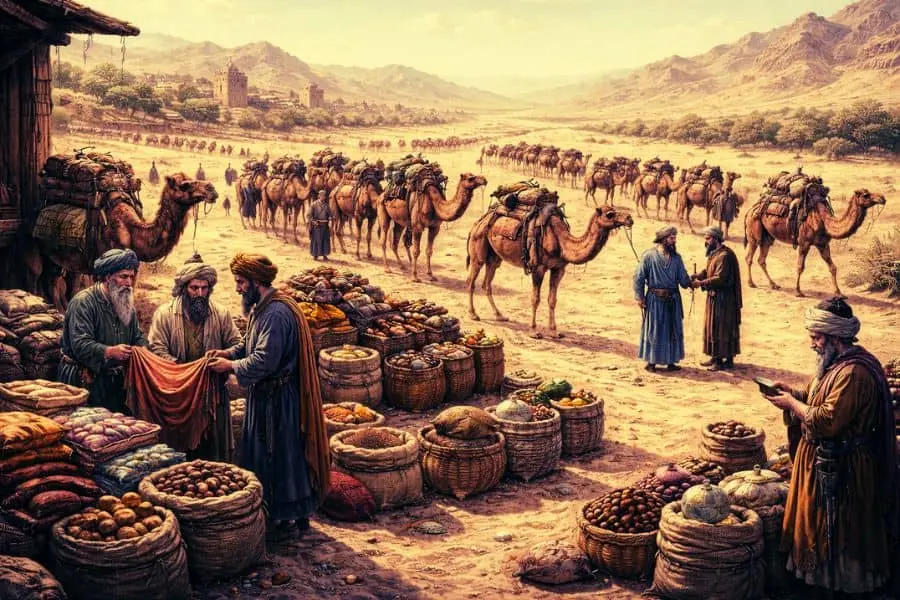
Beyond conquest and governance, long-term success depended on strong economic foundations. The most effective empire building strategies in world history ensured a steady flow of wealth, resources, and trade. Empires that mastered economic systems were better equipped to fund their armies, maintain stability, and expand their influence.
Trade Networks and Resource Control
Control over trade routes was a major source of power for many empires. The Silk Road connected East and West, allowing goods, ideas, and culture to flow across vast distances. Empires that controlled parts of this network gained access to valuable commodities like silk, spices, and precious metals.
Maritime trade routes were equally important. The British Empire, for example, used its naval strength to dominate global sea trade, ensuring economic superiority. By controlling key resources and trade pathways, empires could strengthen their economies and limit the growth of rivals.
Taxation and Wealth Management
A well-organized taxation system was essential for sustaining an empire. Governments collected taxes from citizens, businesses, and conquered territories to fund military campaigns, administration, and public services. The Roman Empire developed structured tax systems that supported its vast administrative network and military operations.
Effective wealth management also involved redistributing resources where needed, preventing economic collapse, and maintaining public order. Poor financial planning, on the other hand, often contributed to the decline of empires.
Infrastructure Development
Infrastructure played a critical role in connecting and strengthening empires. Roads, ports, and communication systems enabled efficient movement of goods, troops, and information. The Roman Empire is especially known for its extensive road networks, which improved trade and military coordination across its territories.
Similarly, ports and shipping systems allowed maritime empires like the British Empire to manage global trade effectively. Strong infrastructure not only boosted economic growth but also reinforced political and military control.
By combining trade dominance, efficient taxation, and advanced infrastructure, empires created sustainable economic systems that supported their growth and longevity throughout history.
Cultural and Social Strategies for Empire Stability
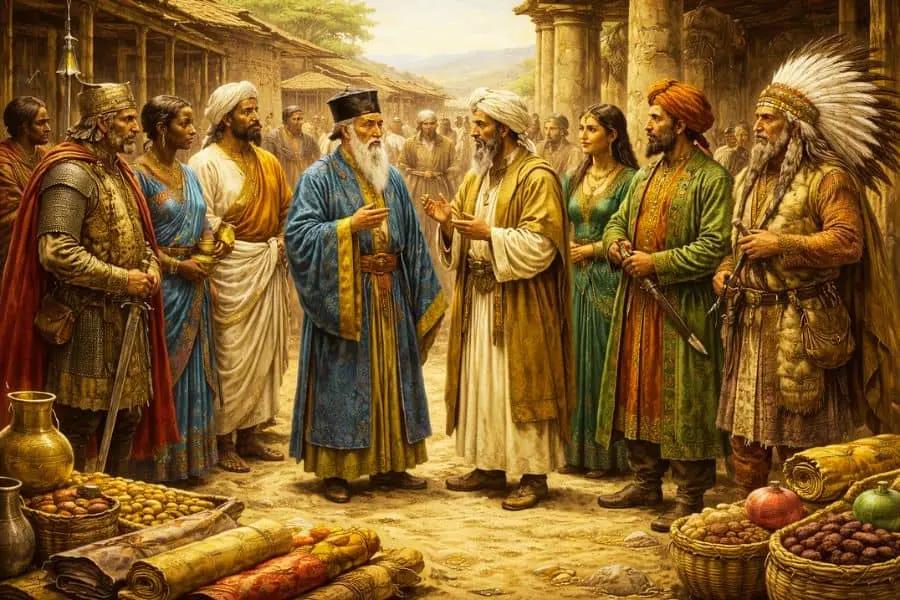
Military and economic power could build empires, but cultural and social strategies helped them endure. Successful empire building strategies in world history often depended on how well rulers managed diversity, fostered unity, and shaped identity among their populations. Empires that balanced inclusion with authority were more likely to remain stable over time.
Cultural Integration vs Cultural Domination
Empires faced a critical choice when dealing with conquered peoples: integrate or dominate. Cultural integration involved allowing local traditions, languages, and customs to coexist within the empire. The Roman Empire often practiced this by granting citizenship and adopting aspects of local cultures, which helped reduce resistance and build loyalty.
In contrast, some empires enforced cultural domination, suppressing local identities to impose a single culture. While this approach could strengthen central control in the short term, it often led to unrest and rebellion over time. Finding the right balance between assimilation and respect for diversity was key to long-term stability.
Religion as a Unifying Tool
Religion played a powerful role in uniting diverse populations under a common belief system. Shared religious values could strengthen loyalty to the empire and legitimize the ruler’s authority. For example, under Emperor Constantine the Great, Christianity became a central part of the Roman Empire, helping to unify its people.
Similarly, empires like the Ottoman Empire used religion to create a sense of identity while still allowing a degree of religious diversity. This approach often helped maintain social harmony across large and varied populations.
Education and Propaganda
Education and propaganda were essential tools for shaping how people viewed the empire. Rulers used education systems to promote shared values, history, and loyalty. At the same time, propaganda through art, architecture, literature, and public messaging reinforced the strength and legitimacy of the empire.
For example, the monuments, coins, and official messages of the Roman Empire were designed to highlight the power of God and its leaders. These efforts helped create a unified identity and encouraged citizens to support the empire’s goals.
By managing cultural diversity, leveraging religion, and influencing public perception, empires were able to maintain internal stability, proving that social cohesion was just as important as military or economic strength.
Case Studies of Empire Building Strategies in World History
Examining real-world examples helps us understand how different empire building strategies in world history were applied in practice. Each empire combined military, political, and economic methods in unique ways to achieve dominance.
The Roman Empire
The Roman Empire is a prime example of how military discipline and strong governance can create a lasting empire. Its highly trained legions enabled efficient conquest, while its advanced administrative systems, laws, taxation, and infrastructure ensured stability. Rome’s ability to integrate diverse cultures and maintain order allowed it to thrive for centuries.
The Mongol Empire
The Mongol Empire built the largest contiguous land empire in history through speed, adaptability, and psychological warfare. Mongol forces used fast-moving cavalry and flexible tactics to outmaneuver enemies. Their reputation for ruthless retaliation also discouraged resistance, allowing rapid expansion across Asia and Europe.
The British Empire
The British Empire achieved global dominance through naval superiority and economic strength. Control of sea routes enabled trade, colonization, and resource extraction on a massive scale. Combined with strategic diplomacy and industrial power, Britain became one of the most influential empires in history.
Why Empires Rise and Fall

Despite their power, no empire lasts forever. Understanding the rise and fall of empires reveals patterns that shaped world history.
- Overexpansion Problems: As empires grow too large, managing distant territories becomes difficult and costly.
- Economic Strain and Corruption: Weak financial systems, heavy taxation, and corruption can destabilize economies.
- Internal Conflicts and External Threats: Rebellions, leadership struggles, and invasions often weaken empires from within and without.
Even powerful empires like the Roman Empire eventually declined due to a combination of these factors.
Lessons from Empire Building Strategies in World History
Studying past empires provides valuable insights that remain relevant today.
- Importance of Adaptability: Empires that adapted to change, whether technological, cultural, or political, were more likely to succeed.
- Balance Between Power and Sustainability: Rapid expansion without long-term planning often led to collapse.
- Leadership and Innovation: Strong leadership and new ideas were critical in shaping successful empires.
Ultimately, the lessons from empire building strategies in world history highlight the importance of balance, foresight, and resilience, principles that still apply in modern leadership, business, and global relations.
Conclusion
Throughout history, the most successful empires relied on a combination of military, political, economic, and cultural strategies to expand and maintain their power. Military strength enabled conquest and protection, political systems ensured effective governance, economic strategies sustained growth and stability, and cultural approaches helped unify diverse populations. Empires like the Roman Empire, Mongol Empire, and British Empire each demonstrated how these elements could be combined in different ways to achieve lasting influence.
Understanding empire building strategies in world history remains highly relevant today. The same core ideas of leadership, strategic planning, economic management, and cultural awareness continue to shape modern nations, global businesses, and international relations. By studying the successes and failures of past empires, we gain valuable insights into how power is built, maintained, and sometimes lost.
Exploring these historical patterns encourages deeper thinking about today’s world. Whether applied to leadership, decision-making, or global dynamics, the lessons of empire building offer practical knowledge that goes far beyond the past, helping us better understand the present and prepare for the future.
Trusted Sources
Using reliable sources to obtain accurate and truthful information is extremely important. All the information published on this website has been prepared in accordance with historical and scientific accuracy, based on recognized books, research articles, and publications from well-known institutions. Our aim is to provide readers with correct, up-to-date, and trustworthy knowledge.
For further reading:
https://www.nationalgeographic.com/history
FAQs
What are the strategies for empire building?
Empire building strategies include military conquest, strong political governance, economic control through trade and taxation, and cultural integration to maintain stability.
What are the top 5 empires in history?
Some of the most influential empires in history are the Roman Empire, Mongol Empire, British Empire, Ottoman Empire, and Persian Empire.