Why Did the Mongol Empire Expand So Fast? The Shocking Secrets Behind Its Unstoppable Rise
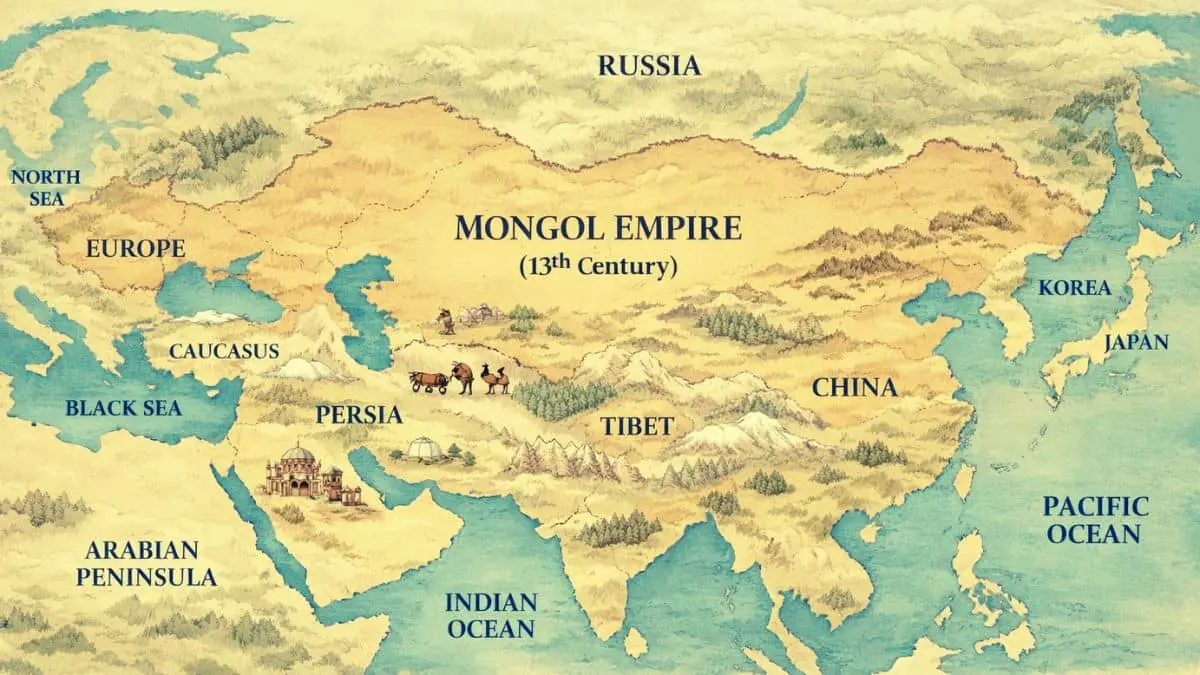
In just a few decades, the Mongol Empire grew into the largest contiguous land empire in history, stretching from East Asia to Eastern Europe. What makes this even more remarkable is how quickly it happened. Historians and readers alike often ask why the Mongol Empire expanded so fast compared to other empires that took centuries to grow.
The Mongols began as scattered nomadic tribes across the harsh steppes of Central Asia. But in the early 13th century, under the leadership of Genghis Khan, they transformed into a powerful and highly organized force that reshaped the course of world history.
Table of Contents
So, what exactly fueled this rapid expansion? In this article, we will break down the key reasons behind their success, from brilliant leadership and advanced military strategies to the smart use of geography and adaptability. By the end, you will clearly understand why the Mongol Empire expanded so fast and why its impact still matters today.
Why Did the Mongol Empire Expand So Fast? A Historical Overview
So, why did the Mongol Empire expand so fast? The short answer lies in a powerful combination of exceptional leadership, highly effective military tactics, strong organizational systems, and remarkable adaptability.
At the center of this expansion was Genghis Khan, whose ability to unite divided tribes and build a disciplined, merit-based army gave the Mongols a strong foundation. Unlike many rulers of his time, he promoted individuals based on skill and loyalty rather than noble birth, creating a more efficient and motivated leadership structure.
Militarily, the Mongols were unmatched. Their fast-moving cavalry, strategic planning, and psychological warfare allowed them to defeat larger and more established armies with surprising speed. At the same time, their well-organized communication systems and structured units ensured smooth coordination across vast distances.
Another crucial factor was their adaptability. The Mongols quickly adopted new technologies, tactics, and knowledge from the regions they conquered, making them even more powerful with each victory.
Together, these elements created a system that was not only effective but also scalable, allowing the Mongol Empire to expand rapidly across continents. In the following sections, we will explore each of these factors in detail to fully understand why the Mongol Empire expanded so fast.
The Leadership of Genghis Khan
Visionary Leadership and Unification
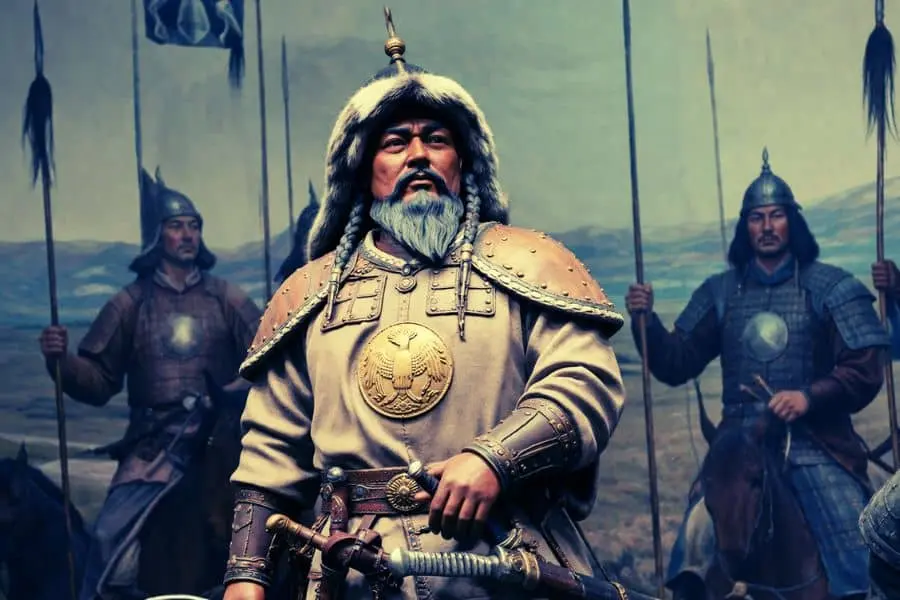
A major reason why did the Mongol Empire expand so fast begins with the extraordinary leadership of Genghis Khan. Before his rise, the Mongol tribes were divided, constantly fighting among themselves for power and resources. This internal conflict kept them weak and fragmented.
Genghis Khan changed everything. Through a mix of diplomacy, alliances, and decisive battles, he united these scattered tribes under a single command. This unification created a strong, centralized force that could now focus outward on conquest rather than inward conflict.
One of his most revolutionary ideas was a merit-based promotion system. Instead of giving power to nobles or family members, he promoted individuals based on skill, bravery, and loyalty. This ensured that the most capable leaders were in charge, making the Mongol army more efficient, disciplined, and effective in battle.
Discipline and Loyalty in the Mongol Army
Another key factor in why did the Mongol Empire expand so fast was the strict discipline and deep loyalty within the Mongol army. Genghis Khan established a legal code known as the Yassa, which set clear rules for behavior, military conduct, and loyalty.
The Yassa enforced harsh penalties for disobedience, desertion, or betrayal. While strict, it created a highly disciplined force where every soldier understood their role and responsibilities. This level of order was rare compared to other armies of the time.
Loyalty was equally important. Soldiers were deeply committed not just to their leader but to their units. The Mongol military structure encouraged teamwork and trust, ensuring that troops fought as a unified force.
Together, this combination of discipline and loyalty created an unstoppable army, one that played a crucial role in explaining why the Mongol Empire expanded so fast.
Advanced Military Strategies That Fueled Rapid Expansion
Superior Cavalry and Mobility
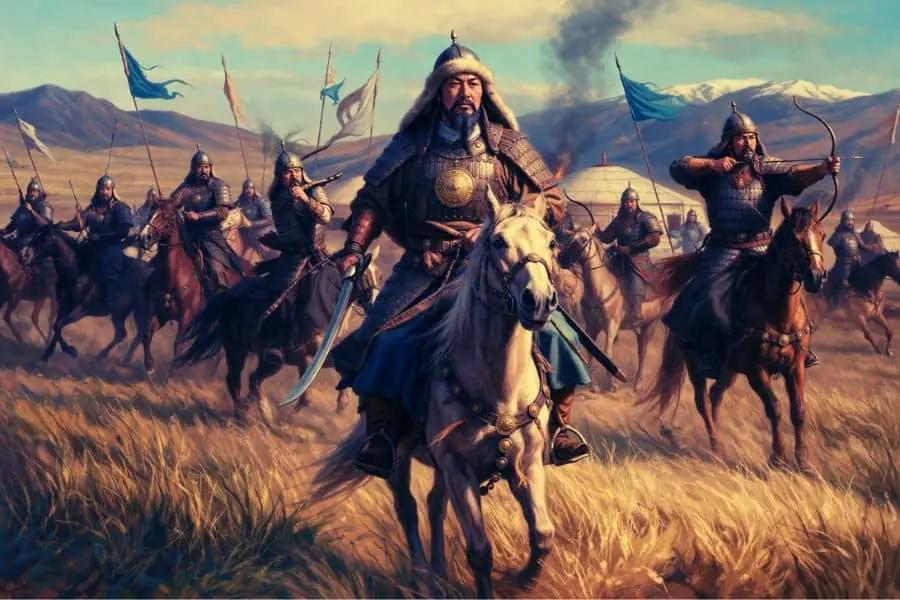
One of the biggest reasons the Mongol Empire expanded so fast was their unmatched cavalry and mobility. Mongol soldiers were expert horsemen from a young age, capable of riding for hours, sometimes even days, without rest. Each warrior often traveled with multiple horses, allowing them to switch mounts and maintain incredible speed across long distances.
This mobility gave the Mongols a huge advantage over their enemies. While other armies moved slowly with heavy equipment, Mongol forces could strike quickly, retreat just as fast, and reappear unexpectedly in new locations. Their ability to cover vast territories in a short time made it difficult for opponents to prepare or defend effectively.
Psychological Warfare and Fear Tactics
Another critical factor in why did the Mongol Empire expand so fast was their use of psychological warfare. The Mongols deliberately spread fear by building a reputation for ruthless destruction against those who resisted them.
Stories of entire cities being destroyed traveled far ahead of their armies. As a result, many regions chose to surrender without a fight rather than face total devastation. This strategy saved time, resources, and lives on the Mongol side, allowing them to expand faster with minimal resistance.
Fear became a weapon just as powerful as their swords, enabling rapid conquest without constant warfare.
Innovative Battle Techniques
The Mongols also relied on highly effective and innovative battle tactics. One of their most famous strategies was the feigned retreat, pretending to flee the battlefield to lure enemies into a trap. Once the opposing army broke formation to chase them, Mongol forces would turn back and launch a coordinated counterattack.
They also excelled at ambush tactics and precise coordination. Using signals such as flags, horns, and smoke, they could execute complex maneuvers even across large distances.
These advanced techniques made the Mongol army unpredictable and difficult to defeat. Combined with speed and psychological warfare, they played a major role in explaining why did the Mongol Empire expand so fast.
Efficient Communication and Organization
The Yam System (Relay Network)
A key reason why did the Mongol Empire expand so fast was their advanced communication system, known as the Yam. This was a network of relay stations spread across the empire, where messengers could rest, switch horses, and continue their journey at high speed.
This system allowed information to travel across vast distances in a matter of days rather than weeks. Orders from leaders like Genghis Khan could reach distant armies quickly, ensuring that strategies were executed without delay.
Fast communication meant faster decision making. Whether responding to threats, coordinating attacks, or managing newly conquered territories, the Mongols stayed connected and in control, giving them a major advantage over slower, less organized rivals.
Structured Military Units
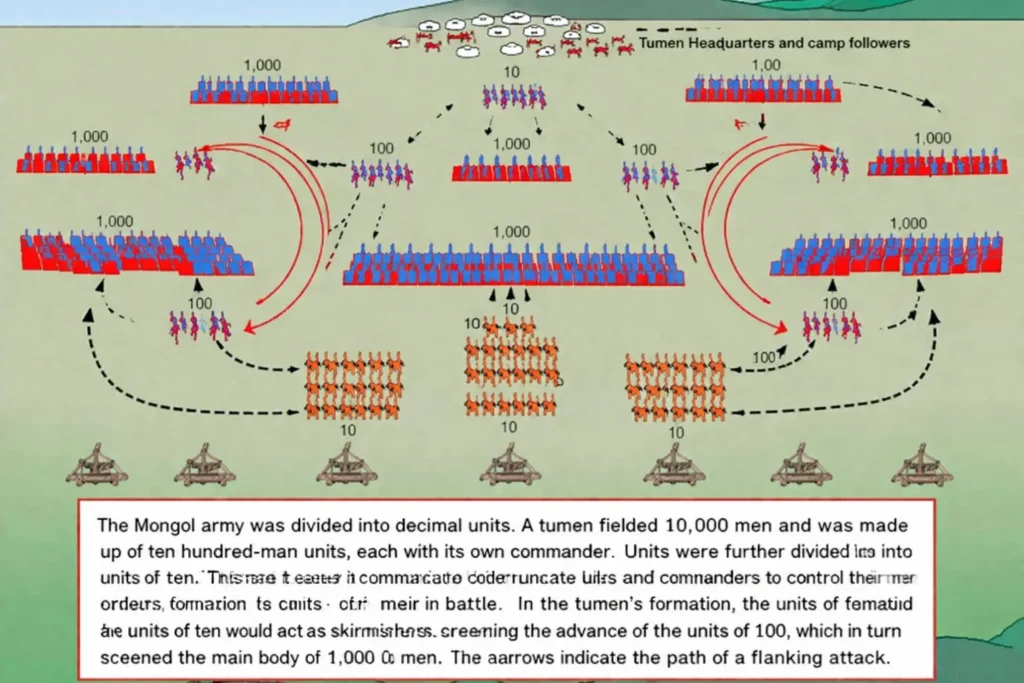
Another major factor behind why did the Mongol Empire expand so fast was their highly organized military structure. The Mongols used a decimal system, dividing their army into units of 10, 100, 1,000, and 10,000 soldiers.
This clear structure made it easier to manage troops, assign responsibilities, and maintain discipline. Each unit had a designated leader, ensuring smooth communication and efficient execution of orders during battles.
Because of this organization, Mongol armies could operate with precision and flexibility, even in complex situations. This level of control and efficiency played a crucial role in their rapid expansion, allowing them to conquer and govern vast territories with remarkable speed.
Adaptability and Use of Conquered Resources
Learning from Other Cultures
Another major reason the Mongol Empire expanded so fast was their remarkable ability to learn and adapt from the people they conquered. Unlike many empires that imposed their own ways, the Mongols were highly practical, adopting whatever worked best.
For example, they quickly integrated advanced technologies such as siege weapons, engineering techniques, and military innovations from civilizations like China and Persia. These tools allowed them to conquer heavily fortified cities that would have otherwise slowed their expansion.
They also brought in skilled foreigners (engineers, scholars, and administrators) and put them to work within the empire. This willingness to use outside expertise made the Mongols more capable with each conquest, strengthening their military and governance systems over time.
Religious Tolerance and Governance
Equally important in understanding why the Mongol Empire expanded so fast was their approach to governance and religion. The Mongols practiced a high level of religious tolerance, allowing people of different beliefs, Buddhists, Muslims, Christians, and others, to live and worship freely.
This policy helped maintain stability across their vast and diverse empire. Instead of forcing cultural or religious change, they focused on loyalty and tax collection, which reduced resentment among conquered populations.
By allowing local customs and leaders to remain in place, as long as they submitted to Mongol rule, the empire minimized rebellion and resistance. This stability meant fewer uprisings to deal with, allowing the Mongols to keep expanding rather than constantly putting down revolts.
Their adaptability and inclusive governance were powerful tools that made their expansion not only fast but also sustainable.
Geography and Timing: Why the Mongol Empire Expanded So Fast
Favorable Steppe Environment
An often overlooked reason the Mongol Empire expanded so fast lies in the geography of their homeland. The Mongols originated from the vast, harsh steppes of Central Asia, a region with extreme weather, limited resources, and constant challenges.
These tough conditions naturally produced resilient and highly skilled warriors. From a young age, Mongols learned how to ride horses, hunt, and survive in unforgiving environments. This lifestyle became a form of constant training, preparing them physically and mentally for warfare.
The open степpe landscape also favored mobility, allowing Mongol cavalry to move freely and practice the fast-paced tactics that later gave them a major advantage in battle.
Weak Neighboring States
Timing played just as important a role in explaining why did the Mongol Empire expand so fast. During the early 13th century, many of the regions surrounding the Mongols were politically unstable and divided.
In areas like northern China, Central Asia, and Persia, powerful empires were weakened by internal conflicts, corruption, or fragmentation. Instead of facing a single strong opponent, the Mongols often encountered smaller, divided states that were easier to defeat one by one.
This combination of strong Mongol readiness and weak neighboring powers created the perfect opportunity for rapid expansion. With little unified resistance, the Mongols were able to conquer vast territories in a relatively short period of time, further accelerating their rise as a dominant world power.
Economic Incentives and Trade Control
Wealth Through Conquest
Another key factor in understanding why the Mongol Empire expanded so fast was the strong economic motivation behind their campaigns. Conquest brought immediate rewards (gold, silver, livestock, and valuable goods ), which were distributed among soldiers.
The Mongols also established tribute systems, requiring conquered regions to regularly pay wealth and resources. This created a steady flow of income that supported further military campaigns.
These financial incentives kept soldiers highly motivated. Success in battle meant personal gain, which encouraged loyalty, bravery, and continuous expansion. In many ways, the promise of wealth fueled the Mongols’ relentless drive to conquer new lands.
Control of the Silk Road
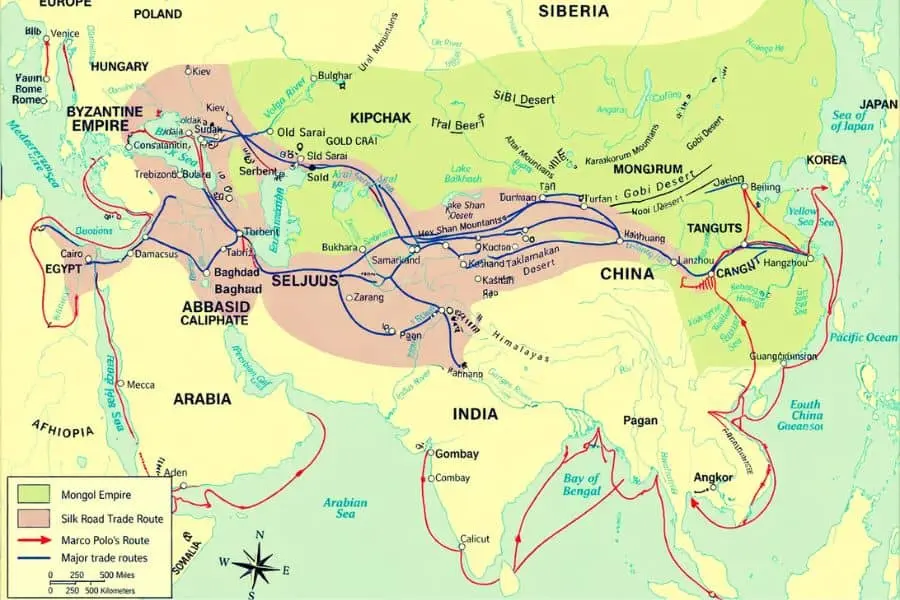
As the Mongol Empire expanded, it gained control over major trade routes, especially the famous Silk Road. This network connected East Asia with the Middle East and Europe, making it one of the most important economic lifelines of the time.
By securing and protecting these routes, the Mongols boosted trade across their empire. Merchants could travel more safely, leading to increased exchange of goods, ideas, and culture.
This control not only strengthened the Mongol economy but also increased their global influence. A strong economic foundation allowed them to sustain their empire and continue expanding, adding another important piece to the puzzle of why the Mongol Empire expanded so fast.
Conclusion
So, why did the Mongol Empire expand so fast? The answer lies in a powerful combination of factors working together at the right time. Under the leadership of Genghis Khan, the Mongols transformed from divided tribes into a unified and disciplined force. Their innovative military strategies, unmatched mobility, and psychological warfare gave them a decisive edge over their enemies.
At the same time, their strong organization, efficient communication systems, and ability to adapt, by learning from other cultures and using conquered resources, made their empire both flexible and resilient. Favorable geography and the weakness of neighboring states further accelerated their rise, while economic incentives and control of key trade routes sustained their expansion.
The Mongol Empire’s rapid growth reshaped global history. It connected East and West, facilitated trade and cultural exchange, and influenced the political landscape of multiple regions for centuries.
Understanding why did the Mongol Empire expand so fast not only reveals the secrets of their success but also offers insight into how leadership, strategy, and timing can change the course of history.
FAQs
Why did the Mongol Empire expand so fast compared to other empires?
The Mongol Empire expanded rapidly due to a combination of factors: Genghis Khan’s visionary leadership, disciplined and highly mobile cavalry, innovative military tactics, efficient communication systems, and adaptability to different cultures and technologies. Their strategic timing and weak neighboring states also allowed quick conquests.
How did Genghis Khan’s leadership contribute to the Mongol Empire’s rapid growth?
Genghis Khan united divided Mongol tribes, implemented a merit-based promotion system, and enforced strict discipline through the Yassa code. His leadership ensured loyalty, efficiency, and cohesion within the army, allowing the Mongols to expand at an unprecedented pace.