Ganges River Civilization Benefits: Why Ancient Societies Thrived
Throughout world history, some of the most powerful and enduring civilizations have risen along rivers. From providing water for daily life to supporting agriculture and trade, rivers have been the lifeblood of human development. Among these, the Ganges River stands out as one of the most influential, shaping the growth of early societies across South Asia. Understanding the Ganges River Civilization Benefits helps us see why this region became a cradle of culture, economy, and innovation.
Flowing through fertile plains and supporting millions of people, the Ganges offered far more than just water; it created opportunities for farming, transportation, and spiritual life. These advantages allowed ancient communities to settle, expand, and thrive in ways that would not have been possible elsewhere.
Table of Contents
But what made rivers like the Ganges so essential to human survival and success? Why did so many ancient civilizations choose to build their lives around these natural waterways?
What Was the Ganges River Civilization?
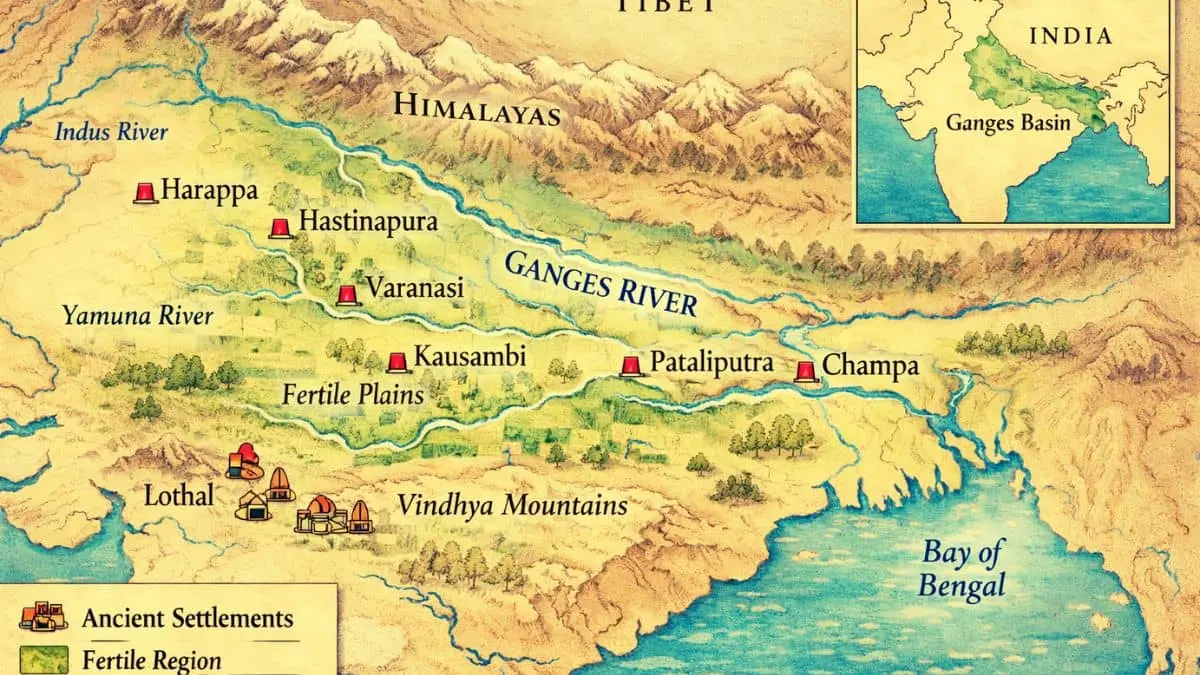
The Ganges River Civilization refers to the network of early settlements and societies that developed along the fertile plains of the Ganges basin in northern India. These communities emerged after the decline of the Indus Valley Civilization and marked a significant shift toward eastern regions of the Indian subcontinent.
As populations moved toward the Ganges basin, they discovered a landscape rich in natural resources, ideal for agriculture and long-term settlement. Over time, these early communities evolved into powerful kingdoms and urban centers, laying the foundation for later cultural, political, and economic systems in ancient India. The civilization was not a single unified empire but a collection of interconnected societies that thrived due to shared environmental advantages.
Location and Geography of the Ganges Basin
The Ganges River basin stretches across northern India, covering vast plains known for their exceptional fertility. These plains were formed by centuries of sediment deposits carried by the river and its tributaries, creating nutrient-rich soil perfect for farming.
The region experiences a monsoon climate, with seasonal rains that replenish water supplies and support crop growth. This predictable cycle of rainfall and river flooding made agriculture more reliable compared to other regions. In addition, the flat terrain made it easier to build settlements, roads, and trade routes, further supporting the growth of civilization.
Timeline of Early Settlements
The development of settlements along the Ganges River began around 1500 BCE, as Indo-Aryan groups migrated into the region. Initially, these were small, rural communities focused on farming and cattle rearing.
By around 1000-600 BCE, these settlements expanded significantly, leading to the rise of larger political entities known as the Mahajanapadas, early kingdoms, and republics. Cities such as Varanasi became important cultural and economic centers during this period.
Eventually, by the 6th century BCE, the region saw the emergence of powerful states like Magadha, which played a crucial role in shaping ancient Indian history. This period marked the transformation of the Ganges basin into one of the most influential regions in early civilization development.
Top Ganges River Civilization Benefits Explained
The Ganges River Civilization Benefits played a crucial role in helping ancient societies grow, organize, and thrive. From agriculture to trade and protection, the river provided everything needed for long-term survival and development. Below are the key advantages that made the Ganges region one of the most successful early civilization hubs.
Fertile Soil for Agriculture
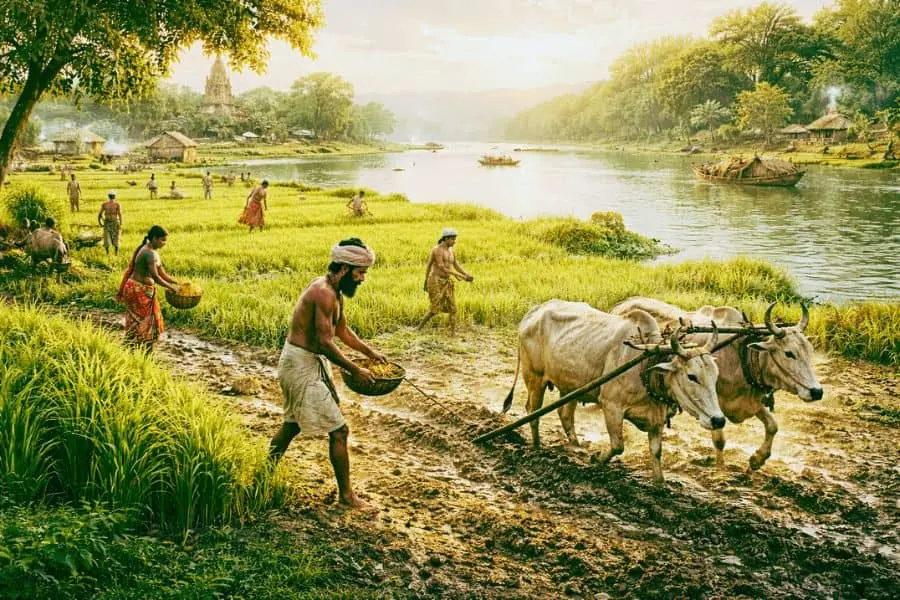
One of the most important benefits of the Ganges River was its incredibly fertile soil. Each year, seasonal flooding deposited rich layers of silt across the surrounding plains. This natural process replenished nutrients in the soil, making it ideal for growing crops like rice, wheat, and barley.
As a result, farmers could produce consistent and abundant harvests without relying on artificial fertilizers. This agricultural stability supported population growth and allowed communities to settle permanently, rather than live as nomads.
Reliable Water Supply
Access to a steady and reliable water source was essential for daily life. The Ganges River provided freshwater for drinking, cooking, irrigation, and basic sanitation. Unlike regions dependent on unpredictable rainfall, communities along the river had a dependable supply of water throughout the year.
This reliability helped reduce the risk of drought and ensured that crops could be irrigated even during dry seasons. It also improved hygiene and overall living conditions, which contributed to healthier and more stable populations.
Transportation and Trade Routes
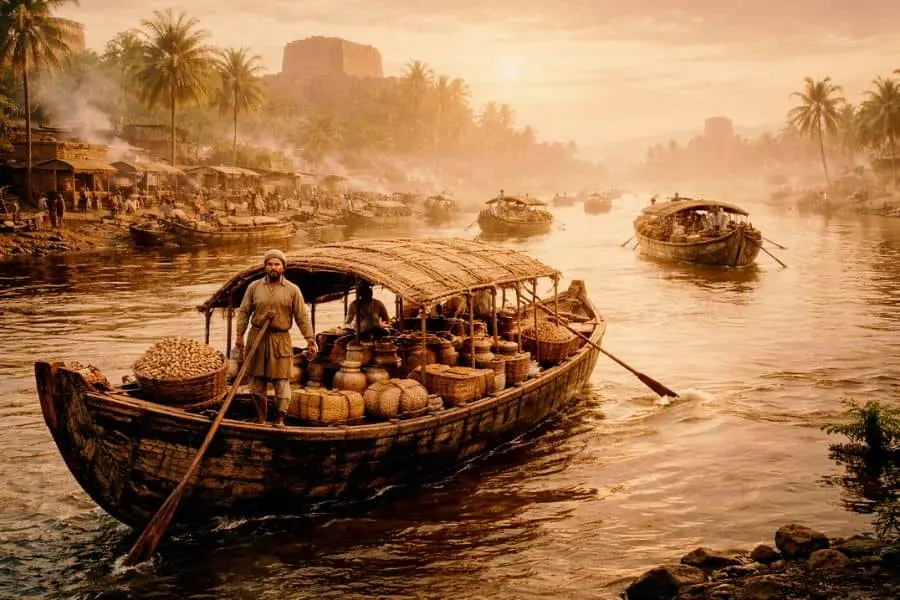
The Ganges River functioned as a natural transportation network, making it easier to move people and goods across long distances. Boats could travel along the river, connecting different settlements and regions.
This accessibility encouraged trade, allowing communities to exchange crops, tools, and cultural ideas. Over time, the river became a major trade route that supported economic growth and helped spread knowledge, technologies, and traditions throughout the region.
Natural Defense and Strategic Location
Rivers like the Ganges also provided a natural form of protection. Wide and deep waterways acted as barriers against potential invaders, making it more difficult for enemies to attack settlements directly.
In addition, many communities were strategically built near riverbanks or elevated areas, giving them better visibility and control over surrounding lands. This combination of natural defense and smart positioning helped civilizations maintain stability and security over time.
Cultural and Religious Significance of the Ganges
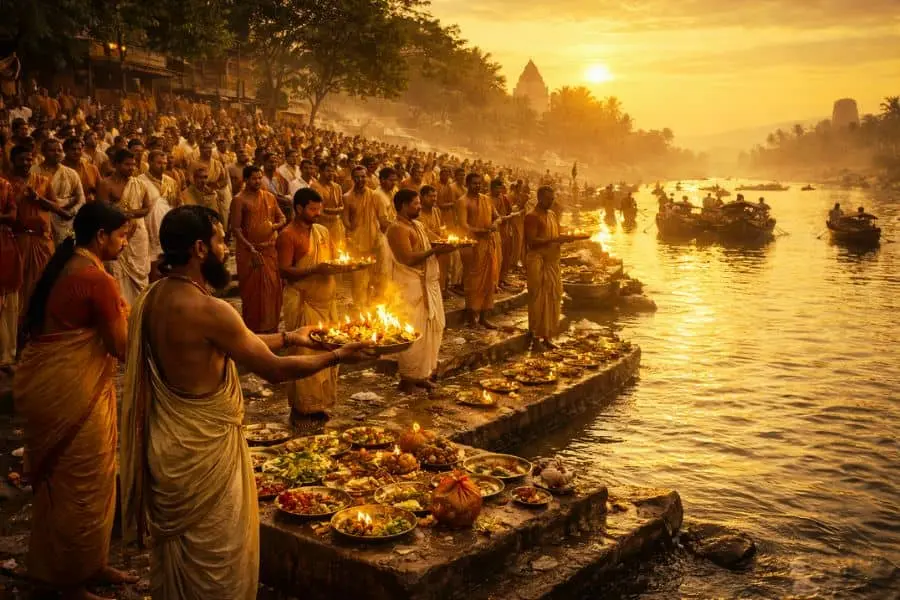
Beyond its physical and economic advantages, the Ganges River held profound cultural and spiritual meaning that shaped the identity of ancient societies. It was not just a source of life, but a symbol of purity, renewal, and divine connection. These deeper beliefs influenced how people lived, worshipped, and expressed themselves through traditions that continue even today.
Spiritual Importance in Ancient India
In ancient India, the Ganges was considered a sacred river, often personified as the goddess Ganga. People believed that its waters had the power to cleanse sins and purify the soul. This belief led to the development of numerous rituals and practices centered around the river.
Pilgrimages to the Ganges became an essential part of spiritual life. Individuals would travel long distances to bathe in its waters, especially during religious festivals. Ceremonies such as offerings, prayers, and cremation rites were commonly performed along its banks, reinforcing the river’s role as a bridge between life, death, and the divine.
Influence on Art, Literature, and Traditions
The cultural influence of the Ganges extended into art, literature, and everyday traditions. Ancient texts like the Rigveda mention the river, highlighting its importance in early spiritual thought and storytelling.
Artists and poets often depicted the Ganges as a symbol of life and purity, inspiring generations of creative expression. Temples, sculptures, and paintings frequently featured imagery connected to the river and its spiritual significance.
Even daily customs were shaped by its presence. From morning rituals to festivals, the Ganges became deeply woven into the social and cultural fabric of society. This enduring influence shows that the river was not only central to survival, but also to the identity and beliefs of the people who lived alongside it.
Economic Growth Driven by the Ganges River
The Ganges River was more than a natural resource; it was a powerful engine of economic development. Its ability to support agriculture, transportation, and trade created the perfect conditions for wealth generation and long-term prosperity. These economic advantages were a major part of the overall Ganges River Civilization Benefits, helping transform small settlements into thriving centers of commerce.
Farming Surplus and Trade Expansion
Thanks to fertile soil and reliable water, farmers along the Ganges consistently produced more crops than they needed for survival. This surplus became a key driver of economic growth.
Instead of consuming everything locally, communities began trading excess goods such as rice, grains, and textiles with neighboring regions. The river made transportation easier, allowing merchants to move goods efficiently over long distances. As trade networks expanded, wealth accumulated, and societies became more economically interconnected.
This exchange of goods also encouraged specialization. Some people focused on farming, while others became traders, artisans, or craftsmen, leading to a more diverse and advanced economy.
Rise of Urban Centers
As trade flourished, settlements along the Ganges began to grow into major urban centers. Cities like Varanasi emerged as important hubs for commerce, culture, and administration.
Markets developed where goods were bought and sold, attracting merchants from different regions. These cities became centers of innovation, education, and governance, further strengthening economic stability.
The concentration of people, resources, and opportunities in these urban areas accelerated development and laid the foundation for complex societies. Over time, the Ganges region evolved into one of the most economically vibrant areas of the ancient world.
Environmental Advantages of Settling Near the Ganges
Settling near the Ganges River offered long-term environmental advantages that supported sustainable living. These natural benefits were a key part of the broader Ganges River Civilization Benefits, allowing communities to thrive in harmony with their surroundings. From rich ecosystems to predictable climate patterns, the region provided resources that ensured both survival and growth.
Biodiversity and Natural Resources
The Ganges basin was rich in biodiversity, giving ancient communities access to a wide range of natural resources. The river itself was abundant with fish, providing a reliable source of protein and supporting fishing-based livelihoods.
Surrounding forests supplied timber for building homes, tools, and boats, as well as medicinal plants used in early healthcare practices. Wildlife in the region also contributed to food sources and materials for clothing and trade.
This diverse environment reduced dependence on a single resource and helped create a balanced, self-sustaining ecosystem where people could meet most of their needs locally.
Climate Benefits and Seasonal Cycles
One of the most significant environmental advantages of the Ganges region was its predictable climate, largely influenced by the Monsoon cycle. Seasonal rains brought by the monsoon provided consistent water supply for agriculture.
Farmers could plan planting and harvesting around these cycles, improving efficiency and reducing uncertainty. The combination of rainfall and river flooding ensured that crops received adequate water throughout the year.
These natural patterns supported stable food production and minimized the risks associated with drought. Over time, this predictability allowed civilizations to develop more organized agricultural systems and long-term planning strategies.
Challenges Faced by Ganges River Civilizations
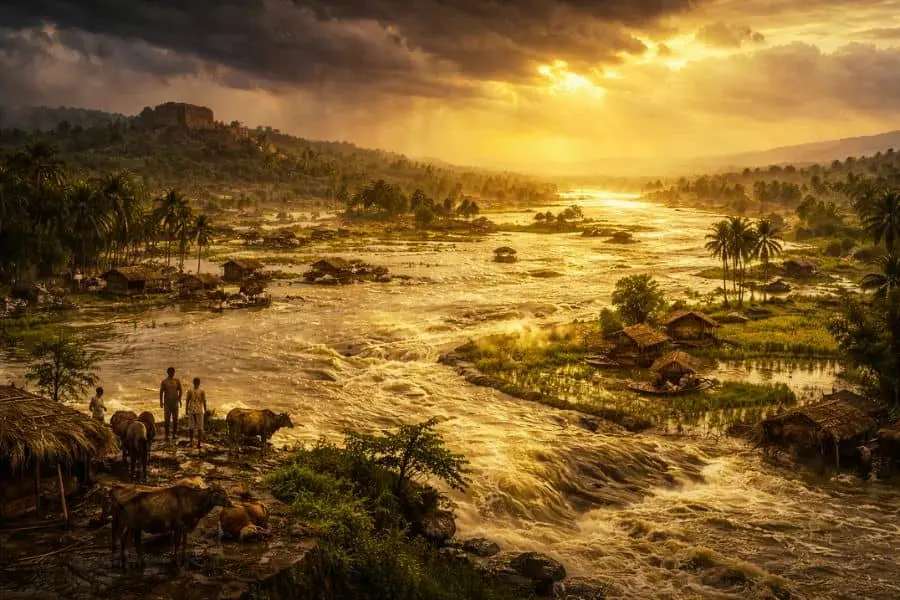
While the Ganges River provided many advantages, it also presented serious challenges that ancient societies had to manage carefully. Understanding these difficulties adds balance to the discussion of Ganges River Civilization Benefits, showing that life along the river required adaptation, resilience, and innovation.
Flooding Risks
Seasonal flooding was both a blessing and a threat. On one hand, floods deposited nutrient-rich silt that made the land highly fertile for agriculture. On the other hand, excessive or unpredictable flooding could destroy crops, homes, and entire settlements.
Communities living near the river had to develop strategies to cope with these risks, such as building on higher ground or creating basic flood control systems. Despite its dangers, many accepted this trade-off because the long-term agricultural benefits often outweighed the short-term losses.
Disease and Sanitation Issues
Dense populations living close to the river also faced health challenges. Stagnant water and poor sanitation could lead to the spread of diseases such as Cholera and dysentery.
Limited knowledge of hygiene and waste management made it difficult to control outbreaks, especially in growing urban centers. Contaminated water sources posed risks to drinking supplies, affecting overall public health.
These challenges highlight that while the Ganges supported life, it also required careful management to maintain healthy living conditions.
Why the Ganges River Civilization Still Matters Today
The legacy of the Ganges River continues to influence modern life in meaningful ways. While ancient civilizations may be long gone, the lessons and cultural foundations they created remain highly relevant. Understanding the Ganges River Civilization Benefits helps us see how geography, environment, and human innovation are still interconnected today.
Lessons for Sustainable Living
Ancient communities along the Ganges practiced a form of natural sustainability long before the concept became modern. They relied on seasonal cycles, used local resources wisely, and adapted to environmental changes rather than trying to control them completely.
These practices offer valuable insights for today’s world, where environmental challenges are increasing. The idea of working with nature using renewable resources, respecting ecosystems, and planning around natural patterns can inspire more sustainable lifestyles and policies in the present.
Influence on Modern South Asian Society
The cultural and spiritual importance of the Ganges has carried through generations and continues to shape life in South Asia today. Cities like Varanasi remain major cultural and religious centers, attracting millions of visitors each year.
Rituals, festivals, and daily practices connected to the river are still widely observed. This continuity shows how deeply rooted the river is in the region’s identity. Even in a modern context, the Ganges symbolizes life, tradition, and spiritual connection.
Conclusion
The Ganges River Civilization Benefits played a vital role in shaping one of the world’s most influential ancient regions. From fertile soil that supported agriculture to trade routes that boosted economic growth, and from deep cultural traditions to sustainable living practices, the river provided everything needed for civilizations to thrive.
These benefits remind us that geography is not just a backdrop to history; it actively shapes how societies develop, adapt, and succeed. The story of the Ganges River shows how natural resources, when used wisely, can support both progress and cultural richness. As you explore more about ancient civilizations, consider how rivers and landscapes influenced their success and how those same principles still apply in our world today.
Trusted Sources
Using reliable sources to obtain accurate and truthful information is extremely important. All the information published on this website has been prepared in accordance with historical and scientific accuracy, based on recognized books, research articles, and publications from well-known institutions. Our aim is to provide readers with correct, up-to-date, and trustworthy knowledge.
For further reading:
- https://www.britannica.com/place/Ganges-River
- https://education.nationalgeographic.org
- https://www.worldhistory.org/search/?q=ganges+river
FAQs
Why is the Ganges River important?
It provides water for millions of people and supports daily life, farming, and industry.
How does the Ganges help agriculture?
Its water is used for irrigation, helping farmers grow crops like rice, wheat, and sugarcane.
What economic benefits does the Ganges provide?
It supports fishing, transportation, and tourism, creating jobs and income.
Why is the Ganges culturally significant?
It is considered sacred in Hinduism and is used for religious rituals and ceremonies.