Throughout human history, the pursuit of power, territory, and resources has been one of the most powerful forces shaping civilizations. This long-standing process is commonly known as empire-building. In simple terms, empire building refers to the expansion of a state or ruling authority beyond its original borders, bringing new lands, peoples, and resources under its control. This expansion has taken many forms, including military conquest, political alliances, economic dominance, and cultural influence.

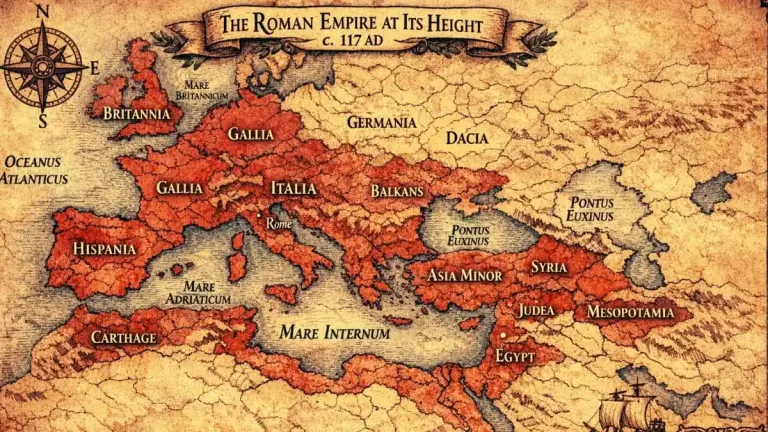
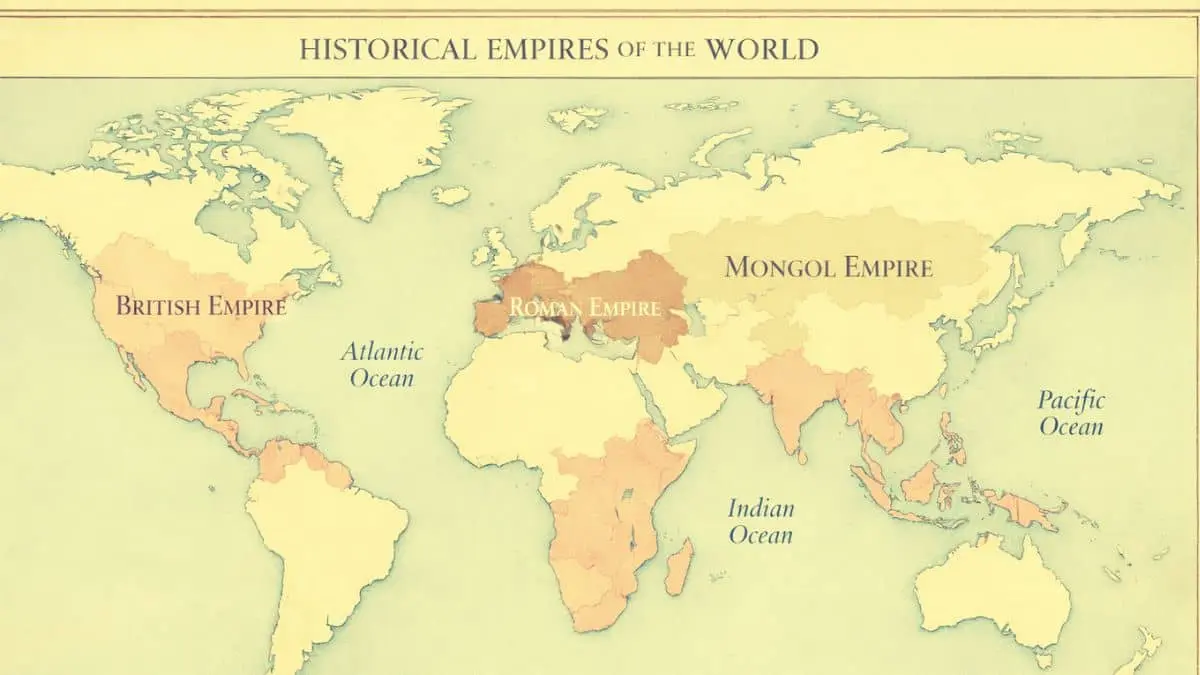
When we examine world history, one of the main reasons large empires emerged was the need for security and stability. Compared to smaller states, expansive empires were better equipped to defend against external threats, control important trade routes, and develop stable economic systems. This is why empires such as the Roman Empire, the Mongol Empire, the Ottoman Empire, and the British Empire rose to prominence and left lasting marks on global history.

As human societies grew and became more complex, the desire to expand power also intensified. Population growth, increasing demand for natural resources, the expansion of trade networks, and technological advancements all contributed to the development of new strategies for territorial and political expansion. Through these processes, empires introduced new legal systems, encouraged cultural exchange, and created connections between distant regions of the world. While often driven by domination, empire-building also played a key role in spreading ideas, technologies, and institutions across continents.

The purpose of this article is to explore how empirebuilding unfolded throughout world history, the major military, political, and economic methods used to expand imperial power, and the long-term consequences these empires had on human civilization. By understanding the rise and influence of empires, readers can gain clearer insight into how imperial expansion helped shape the modern world we live in today.

Quick Facts

FactDetail
DefinitionEmpires that expanded mainly across land
Expansion MethodMilitary conquest of nearby territories
Main Power SourceStrong land armies
EconomyAgriculture and land trade routes
GovernanceCentralized administration
Key AdvantageEasy control of connected regions
ExamplesRoman Empire, Mongol Empire, Ottoman Empire
Main GoalIncrease land, resources, and power

What Is an Empire? – Definition and Key Characteristics

Illustration explaining the structure and characteristics of an empire

Definition of an Empire in Historical Context

From a historical perspective, an empire is a political system in which a single central authority rules over vast territories and diverse populations. Unlike small or unified states, empires are defined by their ability to combine political authority and military power to maintain control across multiple regions. In most cases, imperial expansion occurred through military conquest, strategic invasions, or powerful political alliances.

Another defining feature of an empire is the presence of a strong central authority that governs distant lands and culturally diverse societies. Under imperial rule, people of different languages, religions, and cultural traditions were brought under a single administrative system. As a result, empires were rarely based on a single ethnic or cultural identity. Instead, they functioned as multiethnic and multicultural political structures, held together by power, administration, and shared systems of governance.

Core Characteristics of Empires

Empires can be identified through several key characteristics.
First, they typically control a large and geographically expansive territory. These lands were often far apart, making governance complex and requiring well-developed administrative and military systems to maintain order and loyalty.

Second, empires relied on centralized governance. Authority was usually concentrated in the hands of an emperor, king, or central ruling elite. This leadership controlled laws, taxation, military campaigns, and provincial administration, often through appointed governors or local rulers loyal to the center.

Third, most empires depended heavily on economic extraction to sustain their power. Taxes, land revenue, trade control, and access to natural resources from conquered territories strengthened the imperial economy and funded armies, infrastructure, and state institutions.

Finally, empires reinforced their dominance through cultural influence. Language, religion, legal systems, architecture, and education were used to shape societies under imperial rule. These cultural elements often left long-lasting legacies, influencing regional identities long after the empire itself declined.

Difference Between Kingdoms, States, and Empires

When comparing an empire and a kingdom, a kingdom is usually limited to a single territory and a relatively unified culture or population. An empire, by contrast, brings together multiple regions, peoples, and sometimes even former kingdoms under one ruling authority.

The difference between an empire and a nation-state is even more significant. A modern nation-state is typically based on a shared national identity, language, or sense of common citizenship. Empires, however, are not built on national unity. Instead, they function as pluralistic systems, where control is maintained through political power, military strength, and administrative mechanisms rather than shared identity.

Major Reasons Behind Empire Building

The rise of empires throughout world history was never driven by a single factor. Instead, empire building was a complex process shaped by a combination of economic interests, military needs, political ambitions, religious beliefs, and ideological justifications. Although empires emerged in different regions and historical periods, several common motivations can be identified behind their expansion.

Economic Motivations

One of the most powerful drivers of empire building was the pursuit of economic advantage. Many empires expanded their territories to gain control over profitable trade routes. Networks such as the Silk Road and the Indian Ocean trade system allowed empires to accumulate wealth, collect taxes, and dominate regional and international commerce.

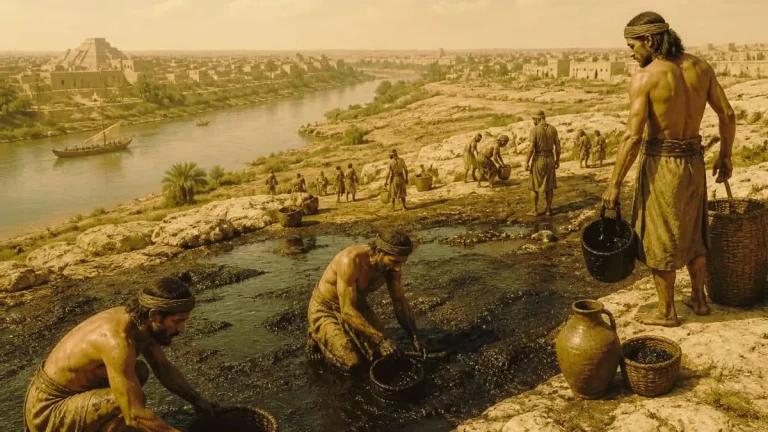
In addition to trade, the conquest of new territories provided access to valuable natural resources. Gold, silver, fertile agricultural land, salt, fuel, and water resources strengthened imperial economies and supported population growth, urban development, and military expansion.

Empires also relied heavily on taxation and tribute collected from conquered regions. These revenues formed the backbone of imperial finance, enabling rulers to maintain large armies, fund administrative systems, and invest in infrastructure such as roads, cities, and public works.

Military and Strategic Motivations

Alongside economic interests, military and strategic concerns played a crucial role in empire-building. Many empires expanded their borders to enhance security through what historians often describe as defensive expansion. By pushing their frontiers outward, empires reduced the risk of direct attacks from rival states.

To strengthen this security, empires frequently created buffer zones—intermediate regions that separated the imperial core from hostile powers. These areas acted as protective barriers, absorbing external pressure before it reached central territories.

Control over strategically important locations was another key motivation. Mountain passes, ports, river systems, and maritime chokepoints were essential for both military movement and commercial dominance. Holding these regions allowed empires to project power while regulating trade and communication.

Political and Power Ambitions

Political ambition was another major force behind imperial expansion. Ruling vast territories brought prestige and authority to emperors and kings, reinforcing their status both domestically and internationally. Being the ruler of an empire elevated political power beyond that of ordinary kingship.

Large empires also helped rulers establish legitimacy. Power was often justified through divine approval, popular acceptance, or historical tradition. Expansion could be presented as evidence of rightful rule, strength, and destiny.

In many cases, dynastic ambitions fueled empire-building. Rulers sought to secure and expand their family’s power across generations, using territorial growth as a means to preserve political dominance and ensure succession.

Religious and Ideological Motivations

Religious and ideological beliefs were frequently used to justify imperial expansion. The spread of major religions such as Buddhism, Christianity, and Islam often accompanied the growth of empires, with rulers presenting conquest as a sacred or moral mission.

European empires, in particular, promoted the idea of “civilizing missions,” claiming a responsibility to spread their culture, values, and way of life to other societies. This narrative framed imperialism as benevolent, even when it involved exploitation and domination.

Finally, empires reinforced their rule through ideological dominance. By promoting their legal systems, political ideas, and social structures as superior, imperial authorities strengthened control and shaped the long-term development of the societies they governed.

Military Expansion Strategies Used by Empires

Throughout history, one of the most critical tools of empire-building has been military power. Empires expanded their influence and secured new territories by combining well-organized armies, innovative technology, and strategic planning. These military strategies enabled empires not only to conquer lands but also to maintain long-term control over vast and diverse regions.

Conquest Through Warfare

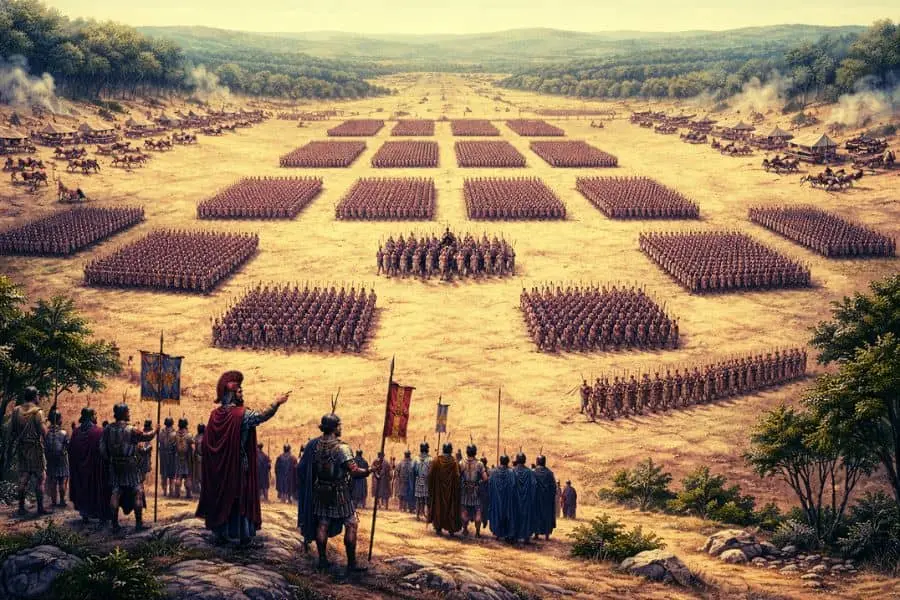
The most traditional method of empire expansion was military conquest. Many empires maintained standing armies—professional, full-time forces trained for continuous readiness. These armies were highly disciplined and prepared to respond to threats at any time.

Advanced weaponry often gave empires a decisive edge over rivals. From iron weapons in the ancient era to gunpowder artillery in the early modern period, technological advantages played a key role in determining the outcome of battles. Beyond simply winning engagements, successful empires employed complex battle strategies, including troop organization, timing of attacks, terrain utilization, and psychological warfare to break enemy forces.

Use of Technology and Innovation

Technological innovation often accelerated the pace of empire expansion. Early empires gained power through the use of iron weapons, outmatching societies still reliant on bronze or stone arms. Later, the introduction of gunpowder, cannons, firearms, and siege engines transformed warfare, making it possible to breach fortifications and cities that were previously impervious to attack.

Naval technology also became a critical factor. Empires with strong navies could control trade routes, project power across oceans, and secure distant territories. The Ottomans, Portuguese, and British empires, among others, relied heavily on naval strength to expand their influence globally.

Military Alliances and Vassal States

Not all expansion relied on direct warfare. Many empires expanded through alliances and vassal systems, negotiating with local rulers to maintain influence while allowing limited self-governance. These arrangements created loyal partners who could support imperial objectives without the empire committing to full-scale military campaigns.

Such alliances were often used in proxy conflicts, where vassal states engaged enemy forces on the empire’s behalf. Additionally, tributary systems required subordinate regions to provide taxes, resources, or military assistance, ensuring that the empire maintained both economic strength and strategic support for future campaigns.

Fortifications and Strategic Control

Maintaining control over conquered lands required more than armies—it demanded strategic fortifications and infrastructure. Empires built forts, defensive walls, and fortified cities to protect key locations from enemy attacks.

Infrastructure like roads and supply networks allowed armies to move quickly, ensured the steady flow of provisions, and strengthened administrative control. The Roman road system is a famous example of how infrastructure could both support military logistics and consolidate imperial authority.

Finally, the establishment of military bases and strategically positioned outposts allowed empires to project power over long distances, maintain stability, and reinforce territorial control over extended periods.

Political and Administrative Expansion Methods

Illustration showing political and administrative systems of empires

Conquering territory through military might alone was never enough to sustain an empire over the long term. To maintain control over vast lands and diverse populations, empires relied on robust political and administrative systems. Throughout history, successful empires developed a variety of methods to consolidate power and integrate newly acquired regions effectively.

Centralized Administration

At the heart of imperial governance was often a centralized administrative system. Key decisions—from lawmaking to taxation and military mobilization—were concentrated in the hands of the emperor, king, or central government. This centralization allowed empires to enforce uniform laws and policies across territories that could span thousands of miles.

A highly organized bureaucracy was essential to make this system work. Officials maintained records, issued orders, collected reports, and ensured policies were implemented efficiently. Historical examples include the sophisticated bureaucracies of the Roman, Chinese, and Persian empires, which enabled these powers to manage complex territories over centuries.

To administer distant regions, empires appointed governors or provincial administrators. These officials acted as representatives of the central authority, overseeing local governance, tax collection, and law enforcement. This system balanced centralized power with regional administration, ensuring both efficiency and local compliance.

Direct Rule vs. Indirect Rule

Empires employed two main strategies to govern conquered regions: direct rule and indirect rule.

Under direct rule, the empire imposed its own officials and legal systems on the territory. This approach allowed for strict, uniform control, but it could be expensive to maintain and often sparked local resistance.

In contrast, indirect rule relied on local rulers or elites who pledged loyalty to the empire. These leaders maintained a degree of autonomy while implementing imperial policies. Indirect rule was more cost-effective, minimized resistance, and leveraged existing local governance structures. The British and Ottoman empires are prominent historical examples of this approach, effectively blending imperial oversight with local authority.

Law, Governance, and Control

Sustaining imperial power required a clear legal framework and efficient governance. Many empires introduced codified laws, creating standardized legal systems that reinforced authority and ensured consistent enforcement across their domains. The Roman legal code remains a classic example of law serving as a pillar of imperial stability.

Effective administration also depended on well-organized taxation systems. Different types of taxes, collection methods, and dedicated revenue officials enabled empires to fund armies, infrastructure, and administrative operations.

Finally, empires maintained detailed records and conducted censuses to monitor population, land, and resources. Accurate data allowed rulers to plan taxation, military deployment, and governance strategies, ensuring long-term stability and control over sprawling territories.

Economic Strategies That Sustained Empires
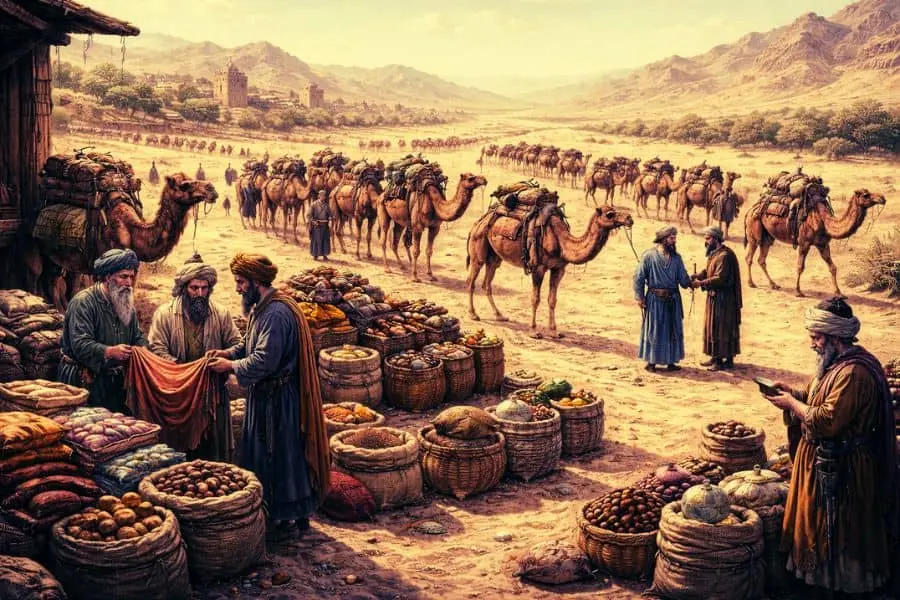
Ancient trade routes that supported imperial economies and expansion

The rise and longevity of empires depended heavily on economic strength. Maintaining large armies, effective administrative systems, and critical infrastructure required stable and abundant sources of revenue. Throughout history, successful empires relied on a combination of trade control, taxation, resource extraction, and infrastructure development to sustain their power and influence.

Control of Trade Routes

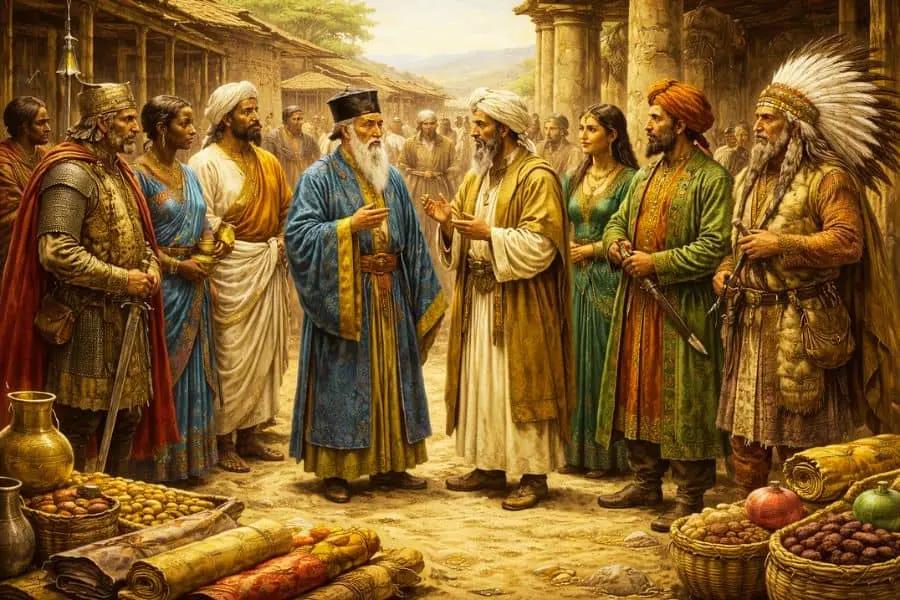
At the heart of imperial wealth was domination over trade routes. Empires that controlled major land corridors, such as the Silk Road, reaped enormous profits from commerce linking China, Central Asia, the Middle East, and Europe. Goods like silk, spices, metals, and luxury items flowed along these routes, while empires collected tolls, customs duties, and taxes, turning trade into a steady source of income.

In the maritime era, sea routes became equally critical. Control over strategic ports, naval passages, and oceanic trade lanes allowed empires to engage directly in long-distance commerce. European powers like the Portuguese and British empires leveraged naval dominance to connect distant colonies and maximize profits, demonstrating how control of the seas could rival the wealth generated by land-based trade.

Taxation and Resource Extraction

A second pillar of imperial economies was taxation and resource extraction. Conquered regions contributed agricultural surplus as taxes, ensuring that armies were fed and cities remained provisioned.

Additionally, empires exploited mineral and labor resources to boost revenue. Mining of gold, silver, and copper, combined with labor for construction projects, infrastructure, and military campaigns, reinforced economic power. In some empires, forced labor or slavery provided essential manpower, while in others, corvée labor—seasonal or state-mandated work—supported public works and military logistics.

Through these systems, empires could sustain long-term economic stability, fund expansion, and maintain the administrative machinery necessary to govern vast territories.

Infrastructure Development

A strong economy requires robust infrastructure. Empires invested heavily in roads to facilitate trade, troop movement, and communication between administrative centers. The Roman road network stands as one of history’s most impressive examples, connecting remote provinces to the empire’s heart.

Similarly, developing ports and harbor cities accelerated maritime trade, allowing empires to profit from shipping, fishing, and naval logistics. Well-maintained harbors became hubs of commerce and gateways for cultural exchange, further enhancing imperial wealth.

Finally, irrigation and water management systems strengthened agriculture, stabilizing food production and supporting dense populations. Efficient use of river water not only increased crop yields but also secured the economic foundation needed for armies, cities, and long-term political stability.

By combining trade control, taxation, resource management, and infrastructure, empires created resilient economies capable of sustaining military and administrative dominance. From the Silk Road to the Mediterranean and the Indian Ocean, these strategies were central to the success and longevity of the world’s most powerful empires.

Cultural and Ideological Expansion of Empires

Cultural and ideological influence left behind by historical empires

Military strength, administrative systems, and economic power were essential for empires, but they alone were not enough to secure long-term control. Many empires reinforced their authority through cultural and ideological influence, shaping the beliefs, values, and identities of the populations they governed. By promoting language, education, religion, art, and customs, empires created lasting impact and loyalty that outlived conquest.

Language and Education

Language was a key instrument of control. Establishing an official language allowed empires to communicate laws, policies, and official documents efficiently across vast territories. For example, Latin in the Roman Empire and English in the British Empire became symbols of administrative unity and cultural authority.

Education systems further reinforced imperial power. Schools, universities, and training centers taught the empire’s laws, governance structures, and cultural values to the local population. These institutions produced well-trained administrators, bureaucrats, and scholars who could manage the empire effectively while spreading its ideology. Over time, education helped create a shared identity and loyalty among diverse communities.

Religion as a Tool of Expansion

Religion was another powerful tool for consolidating imperial control. Many empires employed missionaries, clergy, and religious officials to convert or influence local populations, promoting social cohesion and loyalty to the empire.

Religious institutions—temples, monasteries, shrines, and seats of worship—also reinforced imperial authority. They helped promote laws, social norms, and rituals that aligned with the empire’s governance. By intertwining faith with civic life, empires could foster obedience, legitimize rule, and create a sense of shared purpose among their subjects.

Cultural Assimilation and Identity

Empires also relied on cultural assimilation to strengthen their rule. Architecture served as a visible expression of imperial power and sophistication. Examples include Roman forums and amphitheaters, Mughal monuments in India, and European Renaissance palaces. Such structures communicated authority, grandeur, and permanence.

Art, music, dance, and customs were equally important in shaping collective identity. By influencing behavior, character, and social rituals, empires created a sense of belonging and shared cultural heritage. Painting, sculpture, and performing arts often carried imperial themes, turning cultural practices into tools of social cohesion and propaganda.

Through these strategies, empires went beyond mere conquest, embedding their influence in the everyday lives, beliefs, and identities of the people they ruled. Language, religion, education, and culture became not just tools of governance, but lasting instruments of imperial power, leaving legacies that sometimes persisted long after the empire itself had faded.

Famous Empires and Their Expansion Strategies

Throughout history, some empires left an indelible mark on the world by expanding their influence across continents. Each empire developed unique strategies to acquire and maintain control over vast territories, blending military power, administration, economy, and culture in ways that ensured long-term dominance. Here are some notable examples:

Roman Empire (27 BCE – 476 CE)

The Roman Empire is celebrated for its extensive territorial control and sophisticated legal system.

  • Military discipline: Roman legions were highly trained, well-organized, and stationed strategically across the empire. The legionary system allowed Rome to respond to threats quickly and maintain security over vast regions.
  • Roads and law: The famous Roman roads facilitated troop movements, trade, and communication, creating a cohesive infrastructure that held the empire together. At the same time, Roman law established a uniform legal framework that promoted stability and governed diverse populations effectively.

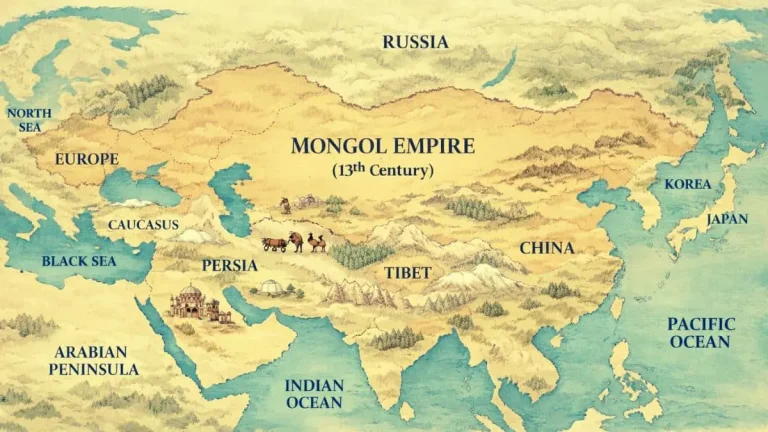
Mongol Empire (13th – 14th century)

The Mongol Empire achieved one of the fastest and largest expansions in world history.

  • Speed and mobility: Mongol armies were incredibly mobile, relying on cavalry and small, highly disciplined units to conquer massive territories. Their mobility allowed them to strike quickly and adapt to changing battle conditions.
  • Psychological warfare: The Mongols used fear as a weapon. Cities often surrendered without a fight after hearing of Mongol victories elsewhere, while tactics such as large-scale attacks, strategic destruction, and political manipulation minimized resistance across newly conquered lands.

British Empire (16th – 20th century)

At its height, the British Empire was the largest global empire, built primarily on trade and naval dominance.

  • Naval power: Britain’s strong navy controlled major sea routes, enabling the empire to reach distant territories, protect trade, and project military power globally.
  • Trade and colonization: Economic strength came from international trade and colonial settlements across Africa, Asia, Canada, and the Caribbean. Commerce and colonization together reinforced British influence and secured resources necessary to sustain the empire.

Ottoman Empire (1299–1922)

The Ottoman Empire spanned Europe, Asia, and Africa, creating a multicultural and multi-religious state.

  • Military-administrative balance: The Ottomans combined military strength with effective governance. Janissaries, elite infantry units, and provincial governors (Beys) maintained both military dominance and administrative control.
  • Religious tolerance: To manage a diverse population, the Ottomans promoted religious tolerance, allowing different communities to practice their faith while remaining loyal to the state. This approach minimized internal resistance and helped maintain long-term stability.

These empires illustrate that expansion was never just about conquering land. Successful rulers combined strategic military campaigns, efficient administration, economic power, and cultural influence to build empires that endured for centuries. Each empire’s approach reflected its geography, culture, and historical moment, providing timeless lessons on power, governance, and resilience.

Challenges and Limitations of Empire Expansion

While empires have historically achieved remarkable growth and influence, expansion came with a host of challenges and limitations. Controlling vast territories often strained military, economic, political, and social systems, revealing the vulnerabilities behind even the most powerful empires. Understanding these obstacles offers valuable insight into why some empires thrived while others ultimately collapsed.

Overexpansion and Administrative Burden

One of the most common pitfalls of empire building was overexpansion. As empires extended their borders across continents, distance and communication barriers made governing far-flung territories increasingly difficult. Orders, information, and resources could take weeks—or even months—to travel from the capital to remote provinces, delaying critical decisions and weakening centralized authority.

The administrative burden of managing large empires also grew substantially. Maintaining bureaucracies, collecting taxes, enforcing laws, and supplying armies demanded significant resources. High administrative costs, combined with the complexity of coordinating officials and infrastructure across diverse regions, often reduced overall efficiency and strained the empire’s capacity to govern effectively.

Resistance and Rebellions

Another major limitation was resistance from local populations. Conquered peoples often resisted imperial control, whether through spontaneous uprisings or organized rebellions. Differences in social structures, religious beliefs, and cultural practices frequently clashed with imperial policies, leading to unrest and instability.

In the modern era, the rise of nationalism added a new layer of challenge. Populations increasingly sought self-determination and independence, pushing back against foreign domination. These nationalist movements, combined with local uprisings, could significantly weaken imperial authority and, in some cases, hasten the empire’s decline.

Economic Decline

Sustaining an empire required a robust economic foundation, yet over time, even wealthy empires faced financial pressures. The costs of maintaining large standing armies, funding naval operations, administering bureaucracies, and constructing infrastructure were enormous. High military and administrative expenses often placed a heavy burden on the empire’s treasury.

At the same time, resource depletion in conquered lands—whether through over-farming, mining, or extraction of wealth—could weaken local economies. As economic productivity fell, empires struggled to support their populations, armies, and administrative systems, leaving them vulnerable to internal crises and external threats.

In short, the very factors that enabled empires to expand—military might, centralized control, and economic exploitation—could also contribute to their downfall when stretched too far. Distance, resistance, and economic strain were recurring themes in the decline of many great empires, offering a sobering reminder that expansion without sustainable systems often comes at a steep cost.

Decline and Fall of Empires

Throughout history, many of the world’s most powerful empires eventually declined and fell, losing the influence they once commanded. The collapse of an empire is rarely due to a single cause; rather, it results from a combination of internal weaknesses and external pressures. Studying these factors offers valuable lessons for understanding the rise and fall of civilizations.

Internal Factors

One of the primary reasons empires weakened from within was corruption. Officials often misused power, misappropriated taxes, or exploited their positions for personal gain, undermining the effectiveness of governance. Such corruption could erode trust between the central authority and local populations, destabilizing the administrative structure.

Equally important was weak leadership. Emperors or rulers lacking vision, skill, or decisiveness struggled to manage sprawling territories, maintain economic stability, and coordinate military forces. Poor leadership often amplified the challenges of governing distant provinces, leaving empires vulnerable to internal unrest and administrative collapse.

External Pressures

Empires also faced significant external pressures. Invasions by rival states or nomadic groups frequently tested military resilience and territorial control. Defending extensive borders required enormous resources, and when military forces were overstretched, even the most powerful empires became susceptible to attack.

Competition with rival empires added another layer of strain. Political, economic, and military rivalries forced empires to divide attention and resources, often weakening internal cohesion. These pressures could destabilize regions, making governance increasingly difficult and contributing to the eventual downfall.

Lessons from Fallen Empires

The experiences of fallen empires highlight the importance of sustainability in empire building. Expanding power without careful planning for resources, military logistics, governance, and social cohesion often leads to instability.

A balanced governance approach, integrating military strength, political administration, economic management, and cultural influence, is essential for long-term stability. Empires that failed to maintain this balance often succumbed to corruption, weak leadership, invasions, or rival pressures.

Ultimately, the history of declining empires teaches that power alone cannot secure lasting dominance. Sustainable systems, effective leadership, and strategic planning are crucial for ensuring that an empire’s influence endures beyond its initial conquests.

The Lasting Impact of Empire Building on the Modern World

Modern political borders influenced by historical empires

The rise and expansion of empires throughout history did more than reshape borders—it left a lasting imprint on today’s political, social, economic, and cultural structures. From governance systems to trade networks and linguistic legacies, the influence of empire-building is still visible in the modern world.

Political Borders and Nations

Many modern states and national boundaries were shaped by historical empires and colonial expansion. In regions like Africa, Central Asia, and parts of the Americas, borders were often drawn by colonial rulers with little regard for ethnic, cultural, or geographic realities. These borders, created to serve imperial interests, continue to influence contemporary political conflicts, national movements, and security strategies.

Even today, understanding the origins of these borders is crucial for analyzing geopolitical tensions and regional disputes around the world.

Cultural and Linguistic Legacy

Empires also left a profound cultural and linguistic imprint. Official languages imposed or adopted by empires often became enduring tools of administration, education, and commerce. For example, English spread through the British Empire and remains a global lingua franca, while Latin from the Roman Empire shaped European languages, law, and scholarly traditions.

Beyond language, legal systems and frameworks introduced by empires have persisted. Roman law, the Napoleonic Code, and Common Law foundations continue to influence judicial practices in numerous countries, demonstrating the long-term governance impact of empire building.

Economic and Global Trade Systems

Empire-building laid the groundwork for modern global trade and capitalism. Large-scale territorial control, colonial trade networks, and resource management created interconnected economies across continents. The movement of goods, the establishment of ports, and the management of colonies helped form the early structures of today’s global supply chains and multinational trade networks.

In essence, empire-driven economic systems were a precursor to globalization, shaping international commerce and economic interdependence that persists today.

Conclusion – Empire Building as a Driving Force in World History

Throughout world history, empire-building has been a powerful driver of political, military, economic, and cultural change. Empires expanded their influence through a combination of military strength, technological innovation, centralized governance, economic and trade systems, and cultural and religious propagation. By coordinating these strategies, empires were able to consolidate power, maintain control over vast territories, and leave a lasting mark on civilization.

The long-term effects of empire expansion are still visible today. Modern political borders, nation-states, and colonial legacies trace their origins to historical empires. Cultural, linguistic, and legal systems, as well as the foundations of globalization and capitalist economies, were shaped by the structures established during these imperial eras. In essence, empire-building not only shaped the past but continues to influence the political, social, and economic systems of the modern world.

Studying empires is crucial for understanding why they matter today. Lessons in governance, sustainability, cultural integration, and economic management provide valuable insights for modern statecraft and international relations. Historical examples of internal and external challenges, administrative balance, and strategic planning offer practical guidance for contemporary political, economic, and cultural decision-making.

FAQs

What is the expansion of the empire?

The expansion of an empire means a powerful state increasing its territory and control by taking over new lands and peoples through conquest, alliances, trade, or political influence.

How did land-based empires develop and expand?

Land-based empires developed and expanded by using strong armies, conquering nearby lands, and controlling trade and resources.

Author

Lulu Freeman, a Stanford University History graduate, specializes in researching wars, cultures, and ancient civilizations. With years of experience in historical research and cultural studies, she shares insightful articles that explore humanity’s heritage and evolution. Her passion for uncovering the past inspires readers to understand the roots shaping our modern world

Write A Comment