
Medieval European Castles and Daily Life: Secrets of Castle Living in the Middle Ages
For centuries, castles have captured our imagination with their towering walls, mysterious corridors, and dramatic history. When we explore Medieval European Castles and Daily Life, we quickly discover that these structures were far more than just military fortresses; they were vibrant centers of living, working, and ruling. From powerful nobles to hardworking servants, entire communities existed within these stone walls.
Table of Contents
But what was life really like inside a medieval castle? Beyond the battles and legends, there were daily routines, strict social roles, and surprising challenges that shaped everyday life. In this article, we’ll uncover the hidden realities, routines, and secrets of castle living in the Middle Ages.
What Were Medieval European Castles? (Understanding Their Purpose)
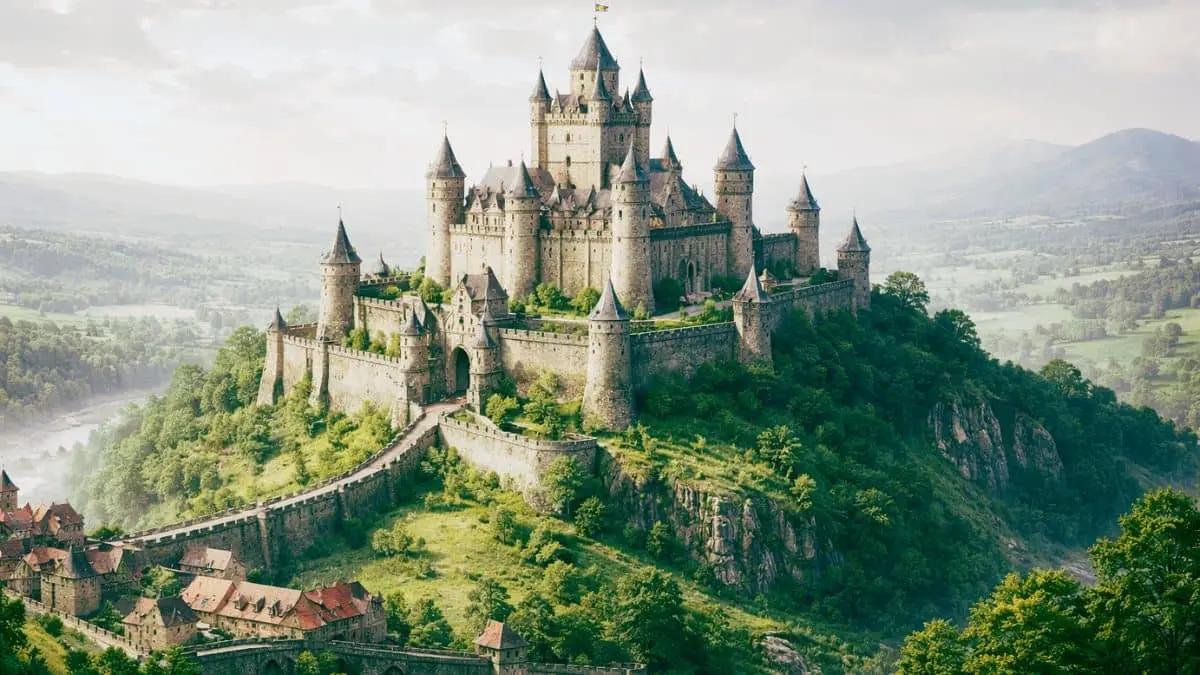
Medieval castles were fortified structures built across Europe during the Middle Ages, primarily between the 9th and 15th centuries. When we explore Medieval European Castles and Daily Life, we quickly discover that these structures were far more than just military fortresses; they were vibrant centers of living, working, and ruling. From powerful nobles to hardworking servants, entire communities existed within these stone walls. These impressive stone fortresses served multiple purposes, from protecting territories to showcasing the wealth and authority of their owners.
Defense and Military Importance
One of the main reasons castles were built was for protection. During a time of frequent wars and conflicts, security was essential.
- Thick stone walls were designed to withstand attacks and prevent enemies from breaking in.
- Moats, often filled with water, surrounded castles to make direct assaults more difficult.
- Towers and battlements allowed guards to watch for danger and defend the castle from above.
- Gatehouses were heavily guarded entry points, often equipped with drawbridges and portcullises.
These features made castles strong defensive bases, protecting nobles, soldiers, and nearby villagers from invasions and rival lords.
Symbols of Power and Status
Beyond their military role, castles were powerful symbols of wealth and authority.
- Owning a castle showed that a person held significant social and political power.
- Castles were often built by kings, nobles, and lords to control land and people.
- Their grand designs, large halls, and impressive architecture reflected the status and influence of their owners.
In the world of Medieval European Castles and Daily Life, castles stood not only as places of safety but also as clear statements of dominance and prestige in medieval society.
Structure of Medieval Castles (Inside the Walls)
To truly understand Medieval European Castles and Daily Life, it’s important to explore what lay inside the castle walls. These structures were carefully designed to support both defense and everyday living. Each section of a castle had a specific purpose, contributing to a self-sufficient and well-organized environment where people lived, worked, and protected themselves.
The Keep – The Heart of the Castle
The keep was the most important and secure part of the castle.
- It served as the main living quarters for the lord, lady, and their family.
- Important rooms like private chambers and storage areas were located here.
- During attacks, the keep acted as a final line of defense, where residents could take refuge if outer walls were breached.
Strongly built and centrally located, the keep symbolized both safety and authority within the castle.
The Great Hall and Daily Activities
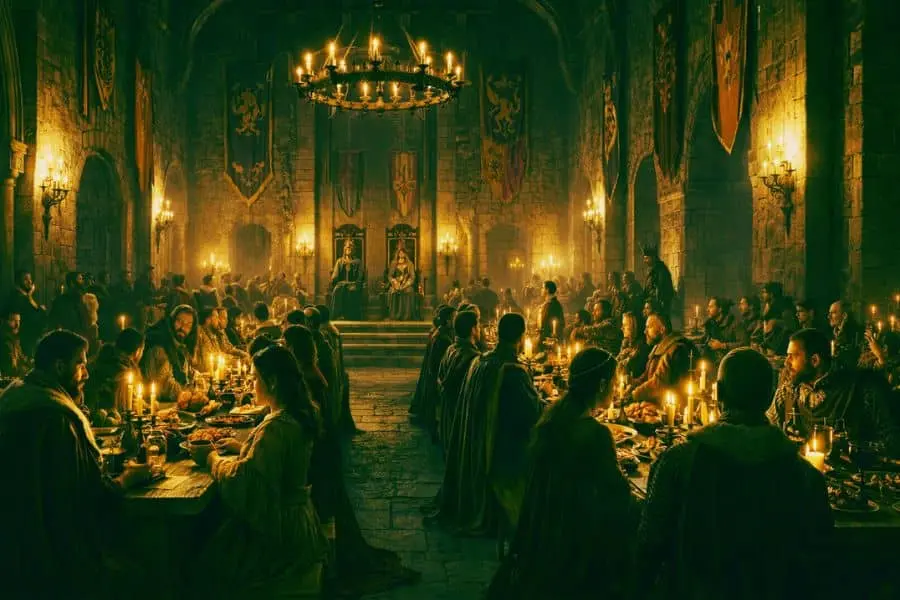
The Great Hall was the social and functional center of castle life.
- It was used for daily meals, often shared by the lord, guests, and household members.
- Important meetings, court sessions, and decision-making took place here.
- The hall also hosted celebrations, feasts, and entertainment, making it a lively and dynamic space.
In the context of Medieval European Castles and Daily Life, the Great Hall was where community life came together.
Kitchens, Courtyards, and Towers
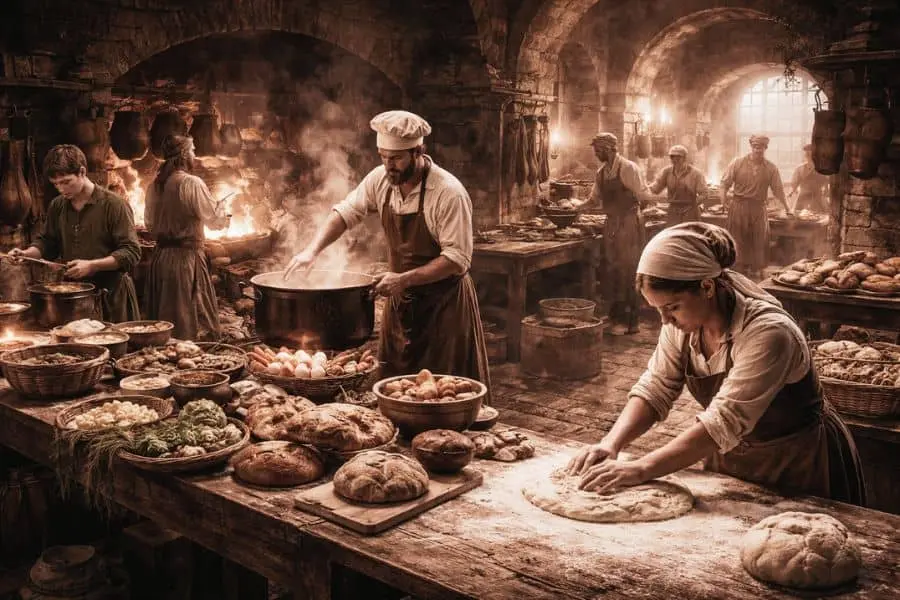
Beyond the main living spaces, castles included several essential areas that kept daily life running smoothly.
- Kitchens were busy spaces where large quantities of food were prepared for everyone in the castle.
- Courtyards served as open areas for work, training, storage, and movement of people and animals.
- Towers functioned as lookout points and defensive positions, helping guards monitor the surroundings.
- Additional areas like storerooms and stables ensured food supplies and animals were well managed.
Together, these spaces made castles more than just fortresses. They were fully functioning communities supporting every aspect of medieval life.
Medieval European Castles and Daily Life of Nobles
Life for nobles inside castles was a blend of responsibility, privilege, and tradition. In Medieval European Castles and Daily Life, nobles, especially lords and ladies, held authority over land, people, and resources. While they enjoyed higher status and better living conditions, their days were often structured around duties that maintained their power and influence.
Daily Routines of Lords and Ladies
The daily life of nobles followed a routine shaped by leadership and social expectations.
- Managing lands and servants was a key responsibility. Lords oversaw farming activities, collected taxes, and ensured the estate ran efficiently.
- Ladies often supervised household management, including servants, food supplies, and domestic organization.
- Nobles regularly hosted guests, including other lords, knights, and important visitors, strengthening alliances and social ties.
- Feasts and gatherings were common, serving both as entertainment and displays of wealth and hospitality.
Despite their privileges, nobles had to constantly maintain order and authority within their domain.
Food, Clothing, and Comfort
Noble life offered better access to food and finer clothing, but comfort was still limited compared to modern standards.
- Their diet included meat, bread, fruits, wine, and spices, making meals richer than those of common people.
- However, food preservation was basic, and variety depended on the season.
- Nobles wore high-quality clothing made from wool, silk, or velvet, often decorated to show rank and status.
- Despite their wealth, castles could be cold, drafty, and dimly lit, with limited heating and sanitation.
In Medieval European Castles and Daily Life, noble living combined luxury with hardship, offering status and comfort, but far from the ease we experience today.
Life of Peasants and Servants in Castles
While nobles enjoyed authority and relative comfort, the reality for peasants and servants was far more demanding. In Medieval European Castles and Daily Life, these individuals formed the backbone of castle operations, ensuring that everything from food preparation to security ran smoothly. Their lives were defined by hard work, strict hierarchy, and limited personal freedom.
Duties and Responsibilities
Peasants and servants carried out a wide range of essential tasks every day.
- Cooking and cleaning were constant duties, especially in large households where many people needed to be fed and cared for.
- Some worked in farming, producing food for the castle and surrounding lands.
- Others took on roles like guards, stable workers, or craftsmen, each contributing to the castle’s function.
- Workdays were long and physically demanding, often starting at dawn and ending late in the evening.
Their efforts were crucial to maintaining the structure and survival of castle life.
Living Conditions and Challenges
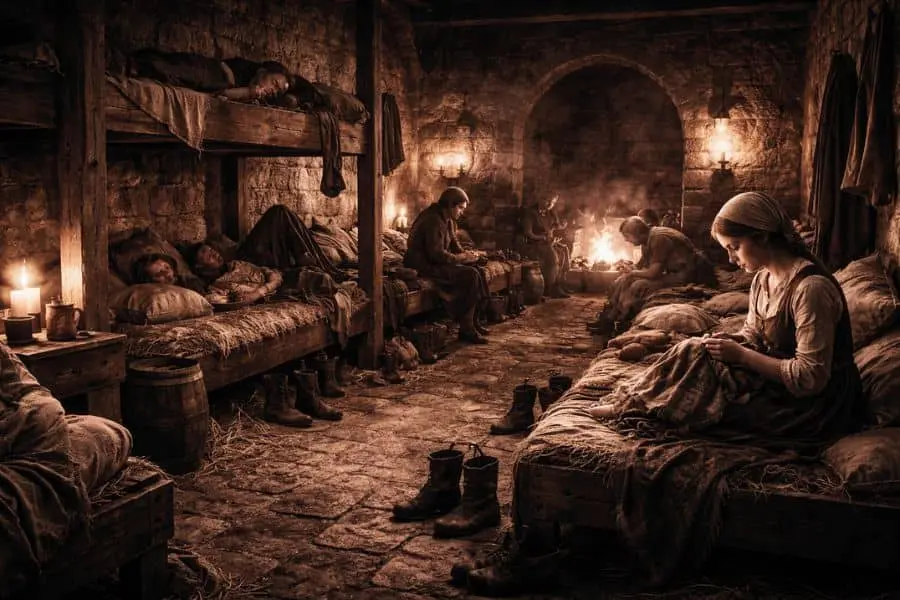
Life for the lower classes inside castles was often harsh and uncomfortable.
- Many lived in small, crowded rooms with little ventilation and almost no privacy.
- Sleeping arrangements were basic, sometimes shared with others or even animals.
- Their diet was simple, consisting mainly of bread, porridge, vegetables, and occasional meat.
- Hygiene was limited, and illness could spread quickly due to poor sanitation.
In the context of Medieval European Castles and Daily Life, the contrast between noble luxury and servant hardship highlights the strong social divisions of the time.
Defense, Security, and Survival in Castle Life
In times of conflict, castles became more than homes; they transformed into fortified strongholds built for survival. A key part of Medieval European Castles and Daily Life was constant readiness for attack. From trained soldiers to carefully planned defenses, every element of castle life was designed to protect its inhabitants during danger.
Guards, Knights, and Training
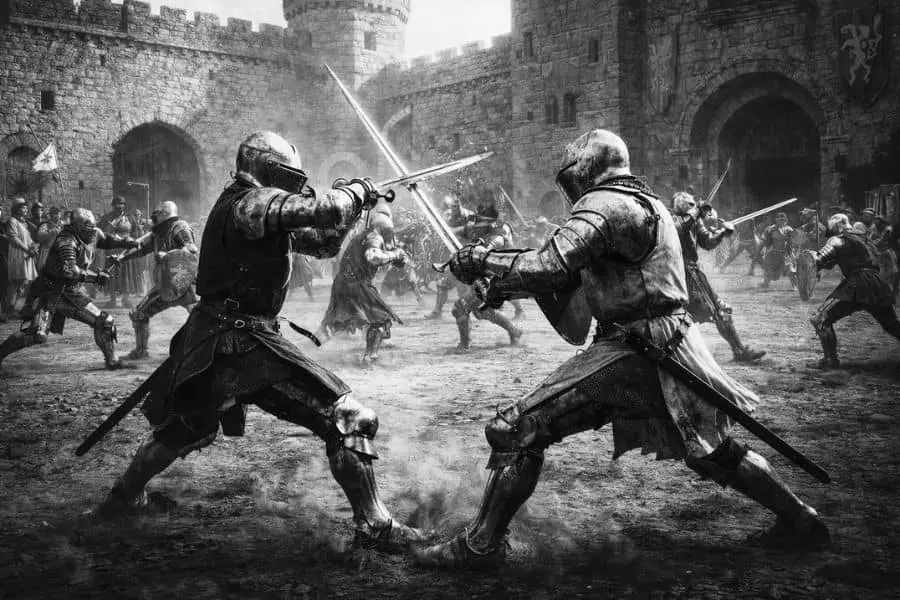
Defense relied heavily on skilled warriors and disciplined routines.
- Knights and soldiers were responsible for protecting the castle and its people. Knights, often of noble status, were highly trained in combat and warfare.
- Guards were stationed at towers, gates, and walls to monitor for threats and control access.
- Regular military training and drills ensured that defenders were always prepared for battle.
- Weapons such as swords, bows, and crossbows were commonly used, and defensive strategies were practiced frequently.
This constant state of readiness was essential in maintaining security and deterring potential attackers.
Life During Sieges
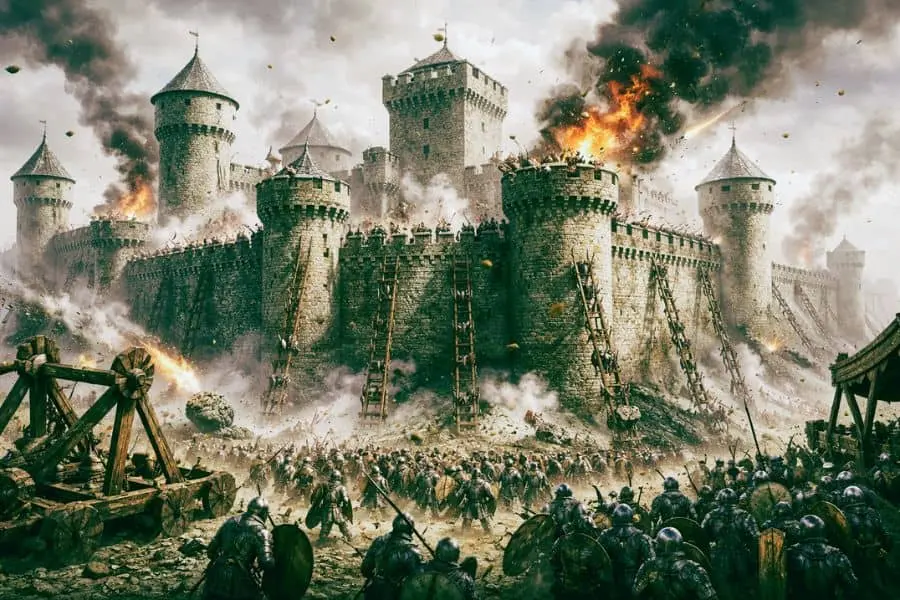
When a castle was under siege, daily life changed dramatically.
- Enemies would surround the castle, cutting off food supplies and communication.
- Residents had to rely on stored resources, which often led to food shortages over time.
- Castles were designed with wells or water storage systems, ensuring access to water during long sieges.
- Strong fortifications, including thick walls and defensive towers, helped withstand attacks and delay enemy entry.
Survival during a siege depended on preparation, resource management, and the strength of the castle’s defenses. In Medieval European Castles and Daily Life, these moments tested both the structure and the resilience of the people inside.
Entertainment and Culture in Medieval Castles
Life in castles wasn’t only about duty and defense; there was also time for enjoyment, creativity, and tradition. In Medieval European Castles and Daily Life, entertainment played an important role in strengthening social bonds and providing relief from the hardships of everyday routines. From grand feasts to simple games, castle life included a rich cultural experience.
Music, Festivals, and Feasts
Celebrations were a major part of noble life and often brought the entire household together.
- Banquets and feasts were held to mark special occasions such as victories, weddings, or religious events.
- These gatherings featured music, dancing, and live performances by minstrels, jesters, and entertainers.
- Festivals created opportunities for relaxation and social interaction, showcasing the wealth and generosity of the host.
Such events added color and excitement to castle life, making them memorable experiences for everyone involved.
Games, Stories, and Traditions
Beyond large celebrations, daily entertainment included quieter and more personal activities.
- Storytelling was a popular way to share history, legends, and moral lessons, often passed down through generations.
- Games like chess and board games were enjoyed by nobles, encouraging strategy and leisure.
- Outdoor activities such as hunting were both a sport and a practical way to gather food.
- Various cultural traditions and rituals, including religious practices and seasonal customs, shaped the rhythm of castle life.
In Medieval European Castles and Daily Life, these forms of entertainment and tradition helped create a sense of identity, community, and balance within the castle walls.
Hygiene and Health in Castle Living
Cleanliness and healthcare in the Middle Ages were very different from modern standards. In Medieval European Castles and Daily Life, maintaining hygiene was a challenge due to limited knowledge, basic facilities, and the structure of castle living. While some efforts were made to stay clean and healthy, conditions often led to discomfort and disease.
Bathing and Sanitation
Hygiene practices inside castles were simple and not always effective.
- Bathing was infrequent, especially during colder months, and often done using wooden tubs rather than dedicated bathrooms.
- Castles lacked proper plumbing, so chamber pots were commonly used for waste.
- Waste disposal systems were basic, with waste sometimes thrown into moats or nearby areas.
- These conditions could create unpleasant smells and attract pests, making cleanliness difficult to maintain.
Despite these challenges, some nobles valued cleanliness and made efforts to bathe and use scented oils when possible.
Medicine and Disease
Medical knowledge during the Middle Ages was limited, and treatments were often based on tradition rather than science.
- Herbal remedies were widely used to treat illnesses, relying on plants and natural ingredients.
- Early medical practices included basic surgeries and the use of tonics, though they were not always effective.
- Common illnesses such as infections, fevers, and diseases could spread quickly due to poor sanitation.
- Major outbreaks, like the plague, had devastating effects on populations across Europe.
In Medieval European Castles and Daily Life, health was uncertain, and even the wealthy were vulnerable to disease due to the limited medical understanding of the time.
The Decline of Medieval Castles
As Europe moved toward the end of the Middle Ages, castles began to lose their dominance as military and residential centers. In Medieval European Castles and Daily Life, these once-powerful structures played a central role in defense and governance, but changes in warfare and society gradually made them less practical and less necessary.
Rise of Gunpowder Weapons
One of the main reasons for the decline of castles was the development of new military technology.
- The introduction of gunpowder weapons, especially cannons, changed warfare forever.
- Thick stone walls that once protected castles became vulnerable to artillery fire.
- Traditional defensive designs were no longer effective against long-range attacks.
- As a result, many castles were damaged, abandoned, or redesigned to withstand new forms of warfare.
This shift marked the beginning of the end for castles as unbeatable fortresses.
Transition to Modern Living
Along with military changes, social and political life in Europe also evolved.
- Powerful families began building more comfortable palaces and manor houses instead of fortified castles.
- The focus shifted from defense to luxury, comfort, and administrative control.
- Improved governance and more stable kingdoms reduced the need for heavily fortified residences.
- Over time, castles transformed from active homes into historical landmarks or ruins.
In the story of Medieval European Castles and Daily Life, their decline reflects a major transformation in European society, from constant warfare to more centralized and peaceful governance.
Conclusion
The world of Medieval European Castles and Daily Life reveals a fascinating balance of power, survival, and routine within stone walls that shaped medieval society for centuries. Castles were not only military strongholds but also living communities where nobles ruled, servants worked tirelessly, and entire households functioned together under strict social hierarchies.
These structures played a major role in shaping Europe’s social and cultural systems. They reflected status and authority, organized daily responsibilities, and influenced everything from food and fashion to defense and entertainment. Life inside castles was both structured and demanding, with clear divisions between wealth and labor, comfort and hardship.
Today, castles stand as powerful reminders of a very different world; one defined by hierarchy, resilience, and constant readiness for conflict. It makes us wonder: how different would our lives be if we had grown up within those towering stone walls, where every day was shaped by duty, danger, and tradition?
FAQs
What was the main purpose of medieval European castles?
Medieval castles were built mainly for defense and protection, but they also served as homes for nobles and centers of political power. They controlled surrounding lands and provided security during wars and conflicts.
Who lived inside medieval castles?
Castles were home to kings, queens, lords, ladies, knights, soldiers, and servants. Each group had specific roles, with nobles living in comfort while servants handled daily work and maintenance.