Japanese Samurai History and Legacy: The Timeless Code That Shaped a Nation
The samurai stand among the most iconic figures in world history, symbolizing honor, discipline, and unwavering loyalty. Emerging from feudal Japan, these elite warriors played a crucial role in shaping the nation’s political structure, cultural identity, and social order for centuries. From serving powerful lords to influencing governance and warfare, their impact went far beyond the battlefield.
Table of Contents
Today, the Japanese Samurai history and legacy continues to resonate across the globe, inspiring modern leadership principles, cultural traditions, and even entertainment. Understanding their origins and values offers valuable insight into how a warrior class helped define not only Japan’s past but also its enduring influence on the modern world.
Origins of the Samurai in Japanese History
Short Description:
The samurai class emerged during a time of political transition and growing regional power in Japan. Their early purpose was rooted in protection, loyalty, and military service, eventually evolving into one of the most influential social classes in Japanese history.
The Rise of the Warrior Class
The origins of the samurai can be traced back to the Heian period (794–1185), when Japan’s central government began to weaken. As imperial control declined, powerful landowners and aristocrats required protection over their estates. This demand gave rise to skilled warriors who would later become known as samurai.
Initially, these warriors served as private guards for noble families, defending lands from rival clans and bandits. Over time, their role expanded beyond simple protection. They became highly trained fighters, mastering archery, swordsmanship, and horseback combat. This marked the beginning of the Japanese Samurai history and legacy, rooted in service, loyalty, and martial skill.
Samurai and Feudal Japan
As Japan transitioned into a feudal society, the samurai became deeply connected to the daimyō, or powerful regional lords. These feudal leaders relied on samurai not only for military strength but also for maintaining order and authority within their territories.
In return for their service, samurai were granted land, status, and protection, creating a mutually dependent relationship. This system strengthened the samurai’s position in society, allowing them to gain both political and military influence. Over time, they evolved from local protectors into a dominant ruling class, shaping the governance and structure of feudal Japan for centuries.
The Code of Bushido and Samurai Ethics
The samurai were not only warriors but also followers of a strict moral code known as Bushido, or “the way of the warrior.” This ethical framework shaped every aspect of their lives, guiding their behavior in battle, society, and personal conduct.
Core Values of Bushido
At the heart of Bushido were principles such as loyalty, honor, discipline, and courage. Samurai were expected to remain fiercely loyal to their lords, even at the cost of their own lives. Honor was considered more valuable than life itself, influencing how they acted in both victory and defeat.
The philosophy of Bushido was deeply influenced by Confucianism, which emphasized duty, hierarchy, and moral integrity, as well as Zen Buddhism, which encouraged mental clarity, self-control, and acceptance of death. Together, these belief systems helped shape the ethical foundation of the Japanese Samurai history and legacy, making it as much about character as combat.
Daily Life and Discipline
A samurai’s life was defined by rigorous discipline and continuous self-improvement. From a young age, they were trained in martial arts, strategy, and weapon mastery. However, their education extended beyond warfare to include literature, calligraphy, and philosophy, reflecting a balanced approach to both mind and body.
Daily routines were structured and purposeful, reinforcing values of focus and responsibility. Rituals also played an important role in samurai culture. One of the most well-known practices was seppuku (ritual suicide), performed to restore honor in the face of failure or disgrace. While extreme, it demonstrated the profound commitment samurai had to their code, further solidifying the enduring Japanese Samurai history and legacy rooted in honor and accountability.
The Role of Samurai in Japanese Warfare
Samurai were central to Japan’s military history, shaping battle strategies, leading armies, and influencing the outcome of major conflicts. Their skills, discipline, and evolving tactics made them one of the most formidable warrior classes in history.
Famous Samurai Battles
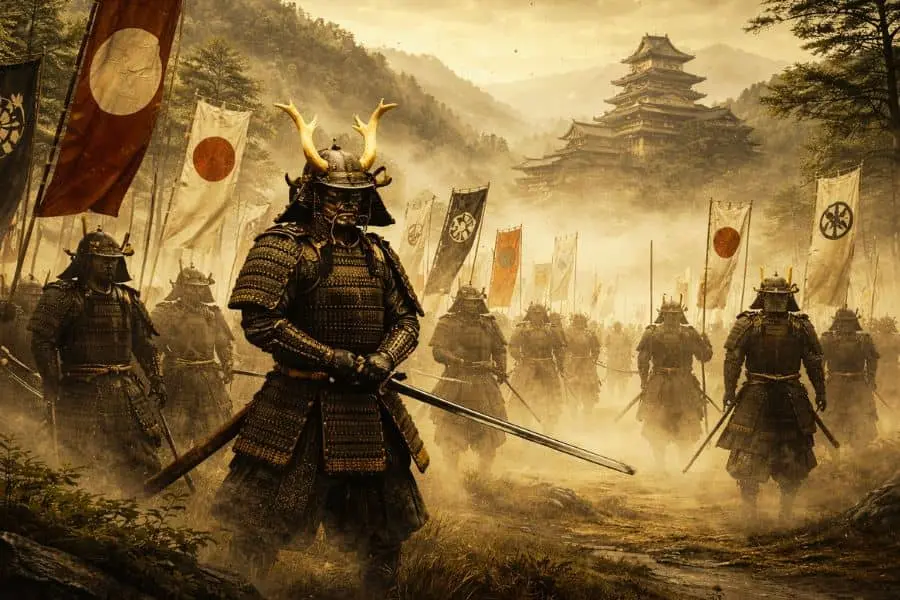
Throughout Japanese history, samurai played decisive roles in numerous conflicts, including the Genpei War. This war marked a turning point, leading to the rise of the first shogunate and establishing samurai dominance in political and military affairs.
As warfare evolved, so did samurai combat techniques. Early battles focused heavily on archery and mounted combat, where precision and individual skill were highly valued. Over time, large-scale infantry tactics, coordinated formations, and strategic planning became more prominent. This evolution demonstrated the adaptability of samurai, further strengthening the Japanese Samurai history and legacy as a dynamic force in warfare.
Weapons and Armor
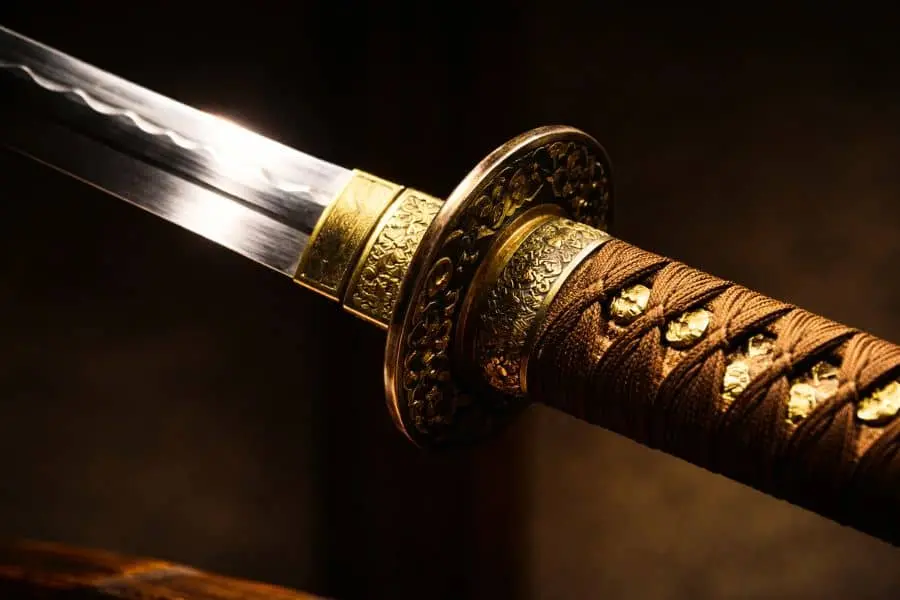
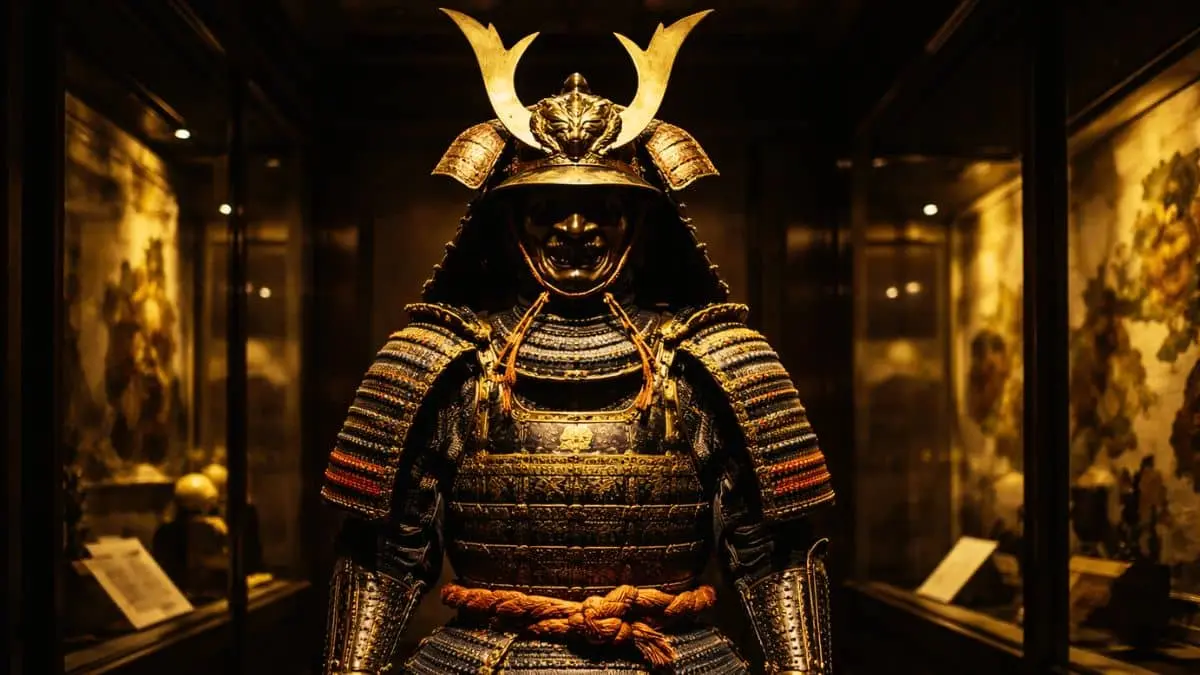
The samurai’s effectiveness in battle was closely tied to their weapons and armor. The most iconic weapon, the katana, symbolized not only martial skill but also the soul and honor of the warrior. Known for its sharpness and craftsmanship, the katana became a defining element of samurai identity.
In addition to swords, samurai used weapons such as bows (yumi), spears (yari), and later firearms as they adapted to changing warfare. Their armor, designed for both protection and mobility, was carefully crafted and often adorned with symbolic elements representing clan identity and status. This combination of functionality and artistry reflected the deeper cultural significance embedded within the Japanese Samurai history and legacy, where warfare and tradition were closely intertwined.
Decline of the Samurai Class
The fall of the samurai class was driven by rapid modernization and political reform in Japan. As the country transitioned from a feudal society to a modern nation-state, the traditional role of the samurai gradually disappeared, marking a major turning point in the Japanese Samurai history and legacy.
The Meiji Restoration Impact
The Meiji Restoration brought sweeping changes that reshaped Japanese society. Determined to modernize and compete with Western powers, the new government abolished the feudal system that had supported the samurai for centuries.
With these reforms came the loss of samurai privileges, including their exclusive right to carry swords and receive stipends from their lords. A national conscript army replaced the traditional warrior class, reducing the samurai’s role in military affairs. These changes effectively ended their dominance and transformed Japan into a centralized, modern state.
Transition into Modern Society
As their traditional status declined, many samurai were forced to adapt to new roles in a rapidly changing society. Some became government officials, educators, or entrepreneurs, using their discipline and leadership skills in new ways.
This transition also reflected broader cultural shifts in Japan. While the samurai class itself faded, its values such as honor, loyalty, and perseverance remained deeply embedded in Japanese culture. These enduring principles continue to shape modern perspectives, ensuring that the Japanese Samurai history and legacy lives on even after the class itself disappeared.
Japanese Samurai Legacy in Modern Culture
Although the samurai class no longer exists, its influence remains deeply rooted in both Japanese society and global culture. The values, imagery, and philosophy tied to the samurai continue to shape modern perspectives, reinforcing the enduring impact of the Japanese Samurai history and legacy.
Influence on Modern Japan
In modern Japan, many principles associated with the samurai such as discipline, loyalty, and a strong work ethic are still reflected in business practices and social behavior. Concepts like dedication to one’s role, respect for hierarchy, and perseverance mirror the ethical foundations of Bushido.
These values also contribute to Japan’s national identity, where tradition and modernity coexist. The samurai spirit is often seen as a symbol of cultural pride, influencing education, corporate culture, and even leadership styles. In this way, the Japanese Samurai history and legacy continues to guide personal and professional conduct in contemporary society.
Samurai in Global Pop Culture
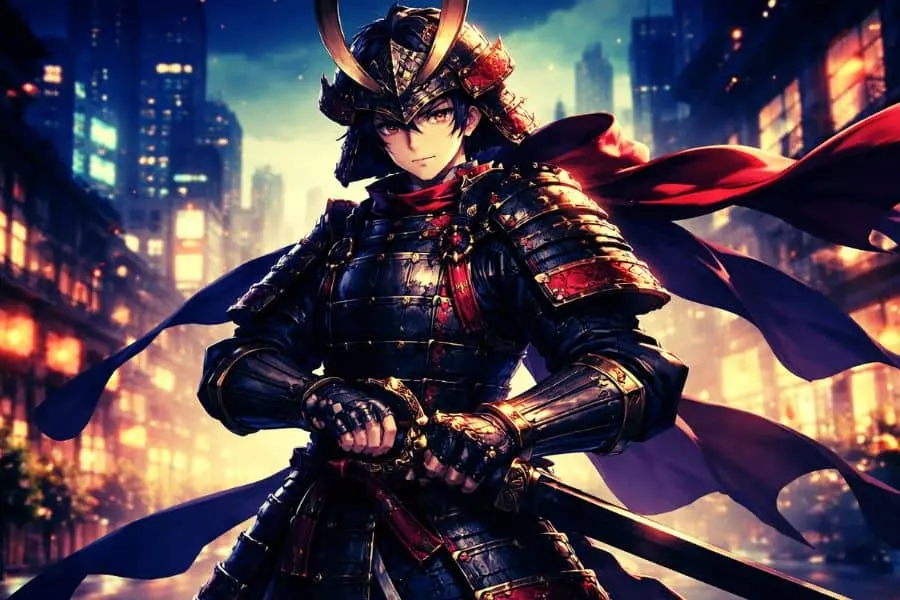
Beyond Japan, samurai have captured the imagination of audiences worldwide. Films like The Last Samurai and works by Akira Kurosawa have introduced global audiences to samurai traditions and storytelling.
In addition, anime, video games, and literature frequently draw inspiration from samurai themes, blending historical elements with modern creativity. This widespread representation reflects a growing Western fascination with samurai ideals such as honor, courage, and self-mastery.
As a result, the Japanese Samurai history and legacy has transcended its origins, becoming a global cultural phenomenon that continues to inspire art, entertainment, and philosophical thought across generations.
Why Japanese Samurai History and Legacy Still Matter Today
The enduring relevance of the samurai lies not only in their historical significance but also in the timeless lessons they offer. From leadership principles to cultural preservation, the Japanese Samurai history and legacy continues to influence how people think, lead, and connect with history in the modern world.
Lessons in Leadership and Honor
The samurai code of honor provides valuable insights for leadership and personal development today. Principles such as accountability, discipline, and loyalty are widely applied in business environments, where trust and integrity are essential for success.
Modern leaders often draw inspiration from these values to build strong teams, make ethical decisions, and remain resilient under pressure. On a personal level, the emphasis on self-discipline and continuous improvement encourages individuals to pursue growth with purpose and determination. These timeless qualities highlight how the Japanese Samurai history and legacy extends far beyond its historical roots.
Cultural Preservation and Tourism
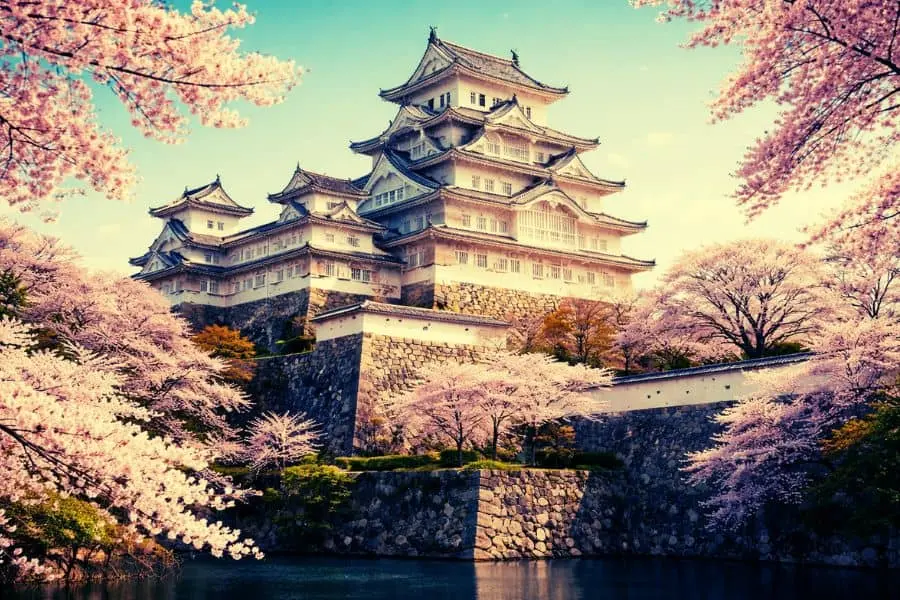
Samurai heritage continues to be preserved through historical landmarks, museums, and cultural experiences across Japan. Sites like Himeji Castle and the Samurai Museum offer visitors a glimpse into the lives, traditions, and artistry of the samurai era.
This preservation not only protects Japan’s cultural heritage but also fosters global appreciation. Tourists and history enthusiasts from around the world are drawn to these experiences, deepening their understanding of samurai traditions and their impact.
As interest in history and cultural identity grows, the Japanese Samurai history and legacy continues to inspire curiosity, education, and respect across cultures, ensuring its relevance for generations to come.
Conclusion
The samurai remain one of the most enduring symbols of Japan’s rich cultural and historical heritage. From their origins as loyal warriors to their influence over politics, warfare, and ethics, they played a defining role in shaping the nation’s identity. Even after their decline, their principles and traditions continue to leave a lasting imprint on society.
The Japanese Samurai history and legacy is far more than a story of swords and battles it is a reflection of values such as honor, discipline, and resilience that still resonate in today’s fast-changing world. These ideals continue to influence leadership, personal growth, and cultural appreciation across different societies.
Ultimately, the legacy of the samurai transcends time and geography. Their way of life serves as a reminder that integrity, purpose, and respect are universal values ones that remain relevant no matter how much the world evolves.
FAQs
How does samurai culture influence modern society?
Samurai values like discipline, respect, and loyalty continue to influence modern business practices, leadership styles, and personal development. Their legacy is also visible in global entertainment, making the Japanese Samurai history and legacy relevant even today.
Why are samurai still important in global culture?
Samurai remain important due to their timeless values and strong cultural identity. They are widely represented in movies, anime, and literature, inspiring people worldwide. This ongoing influence highlights the lasting impact of the Japanese Samurai history and legacy across different cultures.