

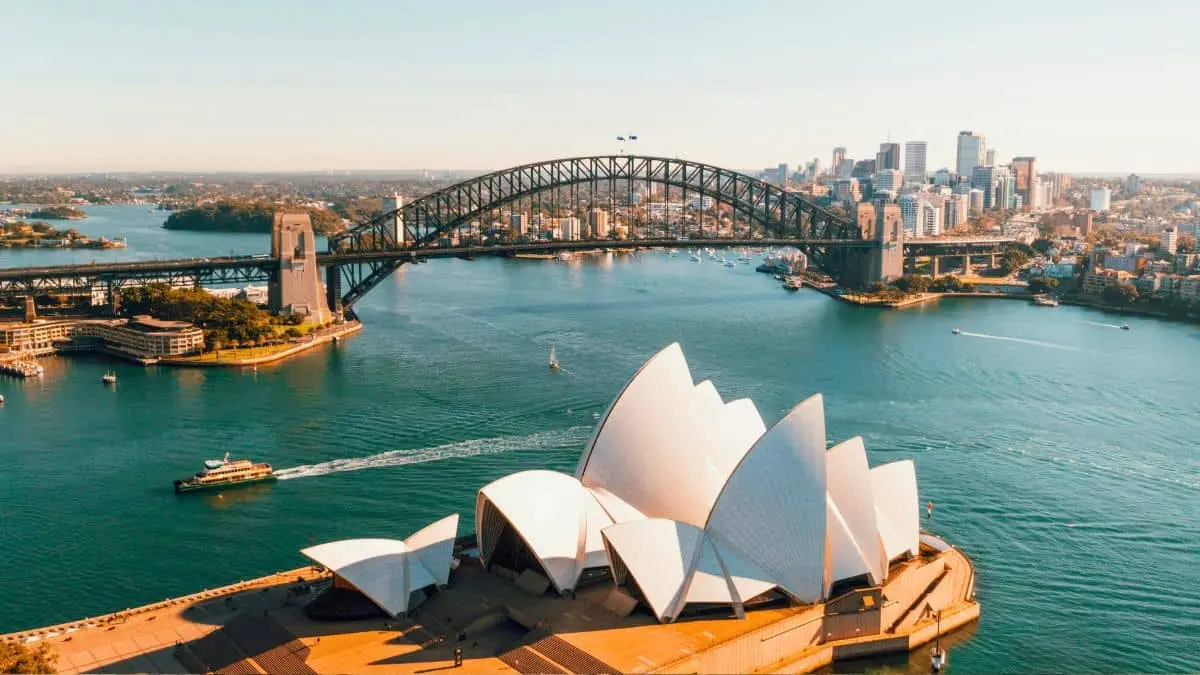
The Sydney Opera House is one of the world’s most distinctive and celebrated architectural landmarks. Situated at Bennelong Point on Sydney Harbour, its iconic shell-like roof has become a symbol of Australia’s cultural identity and creative vision. Instantly recognizable, the structure combines innovative design, engineering ingenuity, and artistic expression, making it a masterpiece admired globally.
More than a performance venue, the Opera House reshaped modern architecture through its revolutionary roof construction, which introduced groundbreaking engineering solutions in the twentieth century. Initially a bold and unconventional idea, it evolved into a globally influential structure that continues to inspire architects and designers.
The Opera House also plays a central role in Australia’s cultural life, hosting world-class opera, concerts, theatre, and festivals, while attracting millions of visitors annually. Its presence reflects both national pride and the universal potential of human creativity.
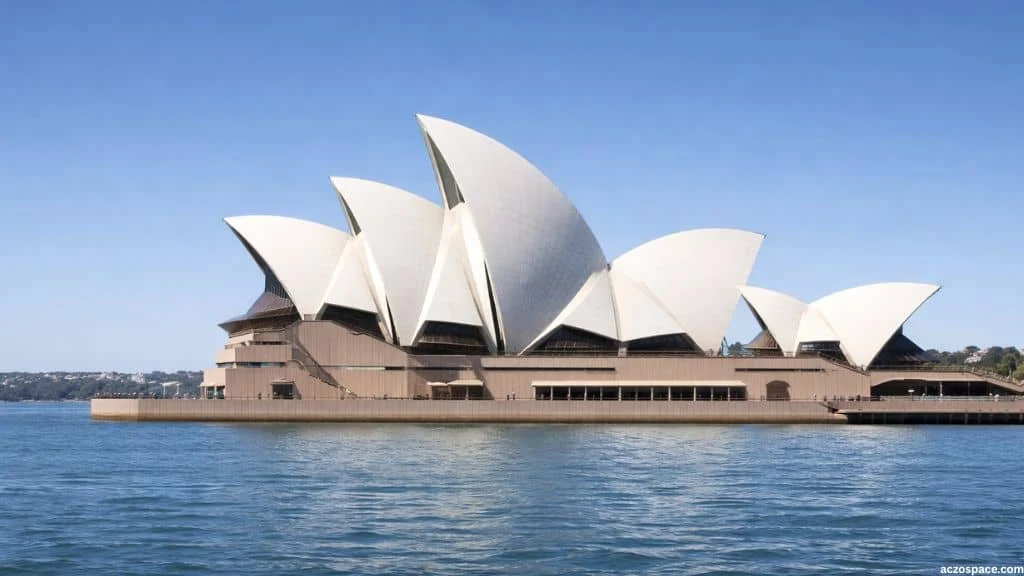
This article delves into the Sydney Opera House’s design history, construction challenges, architectural legacy, UNESCO World Heritage status, and fascinating facts. By exploring its history, artistic significance, and lasting global impact, we can understand why this iconic landmark remains a timeless symbol of innovation, imagination, and cultural unity.
Table of Contents
Quick Facts
| Category | Details |
| Name | Sydney Opera House |
| Location | Bennelong Point, Sydney Harbour, Australia |
| Architect | Jørn Utzon (Denmark) |
| Construction Started | 1959 |
| Completed | 1973 |
| Opening Ceremony | 20 October 1973, officiated by Queen Elizabeth II |
| Main Purpose | Opera, concerts, theatre, and cultural events |
| Key Features | Shell-like roof structure, iconic silhouette, waterfront integration |
| Number of Theatres | 4 – Concert Hall, Opera Theatre, Drama Theatre, Studio Theatre |
| Roof Tiles | Over 1 million white ceramic tiles |
| Annual Visitors | Approximately 8 million |
| UNESCO World Heritage Site | Designated in 2007 |
| Significance | Cultural icon, architectural masterpiece, performing arts hub |
What Is the Sydney Opera House?
Basic Overview
Recognized globally, the Sydney Opera House is a landmark of Australia and a premier center for performing arts. Located at Bennelong Point on Sydney Harbour, it officially opened to the public in 1973 and was designed to host a wide range of cultural performances, including opera, classical concerts, drama, and contemporary productions.
More than just a venue, the Sydney Opera House has become a powerful symbol of Australia’s cultural identity. It represents the nation’s commitment to creativity, innovation, and global artistic exchange.
The complex includes several major performance spaces, such as:
- Concert Hall
- Opera Theatre
- Drama Theatre
- Studio Theatre
Each year, thousands of performances take place here, attracting both local audiences and international visitors. By combining architecture, engineering, and the performing arts in a single structure, the Opera House set new standards for modern cultural buildings and reshaped how performance venues are designed around the world.
Why Is It World-Famous?
The global fame of the Sydney Opera House is based on several key factors:
- Iconic roof design: Its distinctive shell-like form, inspired by sails and seashells, makes it instantly recognizable.
- Spectacular location: Set against the natural backdrop of Sydney Harbour, it is one of the most photographed landmarks on Earth.
- Tourism significance: Millions of visitors tour the site each year, making it one of Australia’s most important cultural and economic attractions.
Together, these elements transformed the Opera House into a universal symbol of modern architecture and artistic expression.
Historical Background of the Sydney Opera House
The Idea Behind Building the Opera House
During the 1940s and 1950s, Sydney experienced rapid urban growth and cultural expansion. Despite this progress, the city lacked a suitable world-class venue for large-scale orchestral and opera performances. The Sydney Symphony Orchestra and other cultural institutions struggled to find a permanent home that met international standards.
To address this gap, the Australian government and leading cultural figures proposed the construction of a world-class opera house. Their vision was not only to provide a performance venue, but also to position Sydney as a global cultural city and to offer Australians access to high-quality artistic experiences.
International Design Competition (1956)
In 1956, an international architectural competition was launched to select a design for the new Opera House. More than 200 architects from around the world submitted proposals, making it one of the most significant design competitions of the 20th century.
The competition produced a wide range of ideas, from traditional concert hall concepts to highly experimental modern designs. Ultimately, a bold and unconventional proposal stood out for its originality and artistic ambition.
Selection of Jørn Utzon
The winning design was created by Danish architect Jørn Utzon. At first, his vision appeared unusual and technically challenging. However, the judging panel recognized the revolutionary nature of his concept.
Utzon drew inspiration from natural forms such as sailboats, seashells, and organic curves. His design marked a turning point in modern architecture and introduced a new approach to combining sculpture-like form with functional performance spaces.
Architectural Design of the Sydney Opera House
Inspiration Behind the Design
Nature played a central role in shaping the Opera House’s appearance. The curved forms of sails on the harbor, seashells along the coast, and organic natural shapes inspired Utzon’s concept.
Rather than relying on straight lines and rigid geometry, he created a building composed of flowing, sculptural curves. This approach led many critics to describe the structure as a “stone sculpture rising from the water,” emphasizing its artistic character as much as its architectural purpose.
Unique Roof Structure (Shell Design)
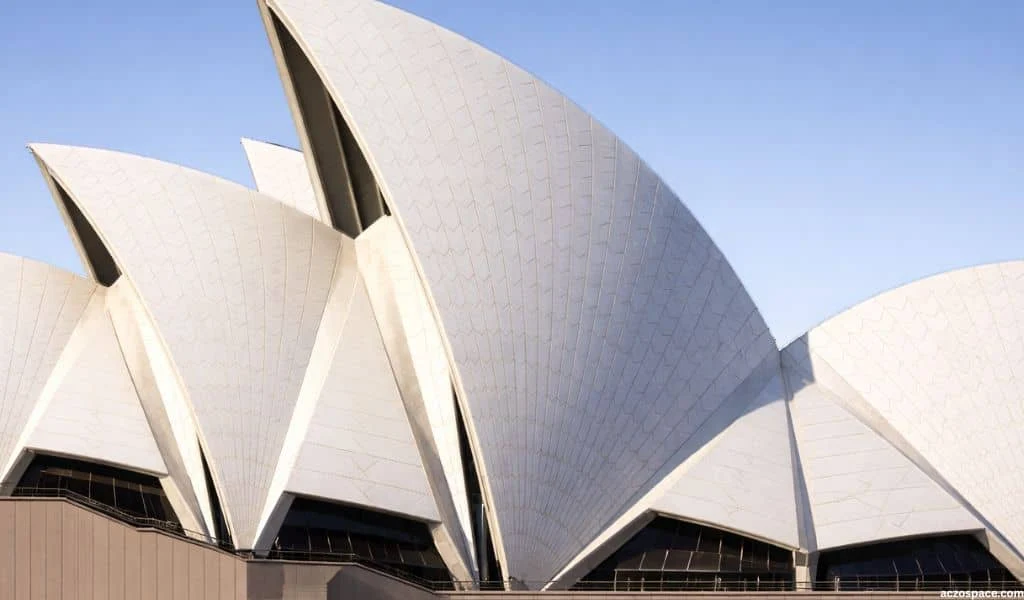
The most striking feature of the Sydney Opera House is its shell-like roof structure, constructed from a series of concrete segments. At the time, this design posed a major engineering challenge.
To solve it, designers applied advanced mathematical geometry. Each shell was developed as part of the same spherical form, ensuring both:
- Structural stability
- Visual harmony
This innovative solution is still studied today as a milestone in 20th-century engineering and architectural design.
Interior Design Concept
The interior layout of the Opera House was carefully planned to balance aesthetics with performance quality. Its main venues include:
- Concert Hall
- Opera Theatre
- Drama Theatre
- Studio Theatre
Each space was designed with special attention to acoustics, lighting, and seating comfort. The Concert Hall, in particular, is known for its exceptional sound quality, making it one of the most respected music venues in the world.
Key Design Features
- White ceramic tiles on the roof reflect sunlight and give the building its bright, iconic appearance.
- Curved geometry creates a sense of movement and organic form.
- Extensive use of natural light keeps interior spaces open and welcoming.
- Seamless integration with Sydney Harbour enhances the visual connection between architecture and landscape.
Together, these elements make the Sydney Opera House a unique architectural masterpiece.
Construction of the Sydney Opera House
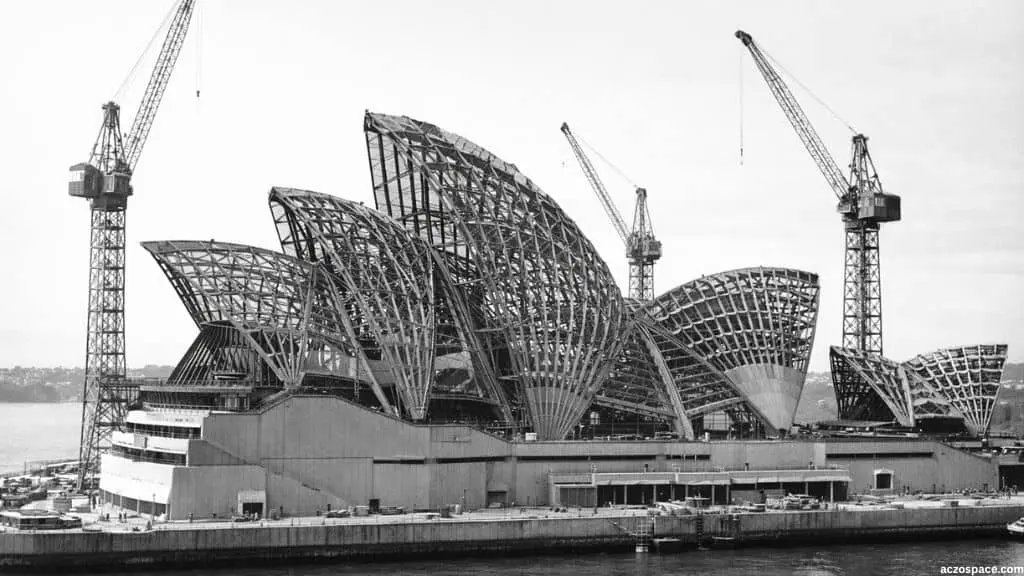
The construction of the Sydney Opera House is one of the most remarkable stories in modern architectural history. What began as an ambitious cultural project soon became a bold experiment in engineering, design, and perseverance. Although the journey was marked by technical challenges, financial pressures, and political debate, the final result transformed Sydney into a global cultural capital and produced one of the most admired landmarks of the 20th century.
Construction Timeline
Work on the Sydney Opera House began in 1959 with the goal of creating a world-class performing arts venue for the rapidly growing city of Sydney. The original plan aimed to complete the project within four years and within a modest budget.
However, the complexity of the design—especially the innovative roof structure—made construction far more difficult than expected. New engineering techniques had to be developed, and many parts of the building were redesigned during construction. As a result, progress slowed significantly.
Instead of four years, the project took a total of 14 years to complete. The building was finally finished in 1973, becoming one of the most ambitious construction achievements of its time. Today, the Opera House is often described as a large-scale engineering experiment that pushed the boundaries of what was technically possible in the mid-20th century.
Engineering Challenges
The most demanding aspect of construction was the shell-like roof design. Building these massive curved concrete structures had never been attempted on this scale before.
Key challenges included:
- Roof construction complexity: Each shell had to be formed as part of a single spherical shape and assembled with extreme precision.
- Structural stability: The weight and unusual geometry required innovative solutions to ensure long-term strength and safety.
- Material limitations: Construction technology of the era was limited, forcing engineers to invent new methods and techniques.
To overcome these problems, engineers relied heavily on advanced mathematical geometry and modern structural design principles. These breakthroughs later influenced many other large-scale architectural projects around the world.
Cost Overruns and Delays
The original budget for the Sydney Opera House was relatively small compared to its final cost. Continuous design changes, technical difficulties, and construction delays caused expenses to rise far beyond expectations.
This led to intense public debate and political pressure. Budget disputes became a national issue, and the project was frequently criticized in the media. Despite these controversies, the government chose to continue construction, believing the long-term cultural value would outweigh the short-term financial challenges.
Jørn Utzon’s Departure
The project’s chief architect, Jørn Utzon, left the project in 1966 after disagreements with the government over costs and design decisions. His departure was both emotional and professional, and he never returned to see the completed building in person.
Although Utzon did not oversee the final stages of construction, his original vision remained the foundation of the Opera House’s design. Today, his contribution is recognized as central to the building’s identity and global significance.
Completion and Official Opening
Opening Ceremony (1973)
The Sydney Opera House was officially opened in 1973 in a national celebration attended by Queen Elizabeth II. The ceremony featured music, dance, and cultural performances that symbolized Australia’s artistic ambitions.
This event marked a historic moment for the country, as the Opera House became a new international stage for the performing arts and a powerful symbol of modern Australia.
Public Reaction
Public opinion in the early years was divided. Many admired the building’s bold design and artistic vision, while others focused on the high costs and long delays.
Over time, however, the Sydney Opera House gained worldwide respect and recognition. Today, it is regarded as one of the most celebrated architectural achievements in history and a source of national pride.
The Sydney Opera House as a Cultural Icon
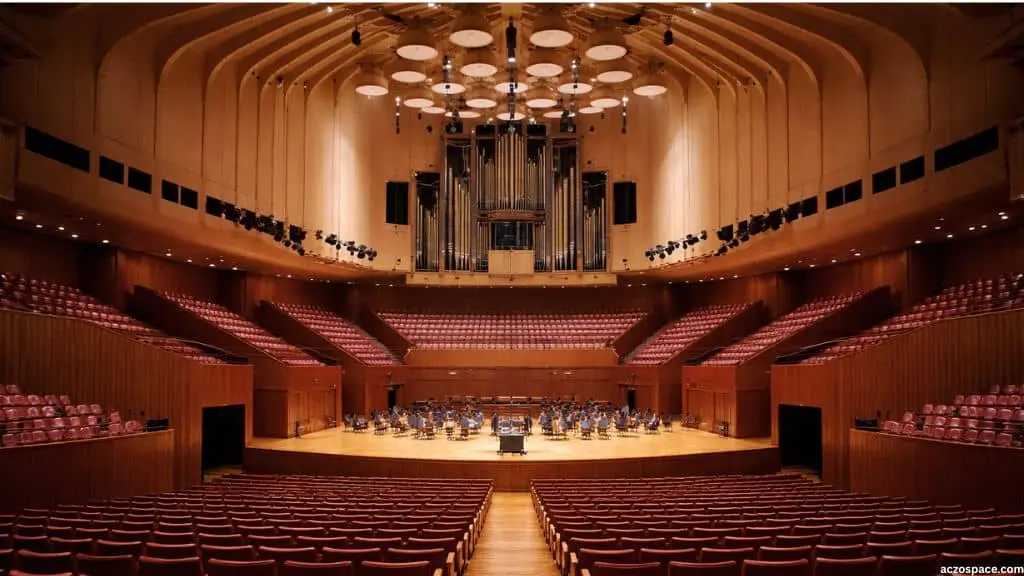
Role in Australian Culture
The Sydney Opera House is widely recognized as a national symbol of Australia. It serves as a major hub for:
- Opera and classical music
- Ballet and theatre
- Contemporary concerts and festivals
Beyond performance, it also plays an important educational role. Schools and universities use the venue for workshops, guided tours, and cultural programs, helping younger generations connect with the arts.
For Australians, the Opera House represents creativity, identity, and cultural heritage.
Global Recognition
The building has appeared in films, books, and documentaries and is regularly featured in global events such as New Year celebrations and international concerts.
It stands as one of the world’s finest examples of modern architecture and continues to promote Australia’s image as a center of innovation and culture.
UNESCO World Heritage Status
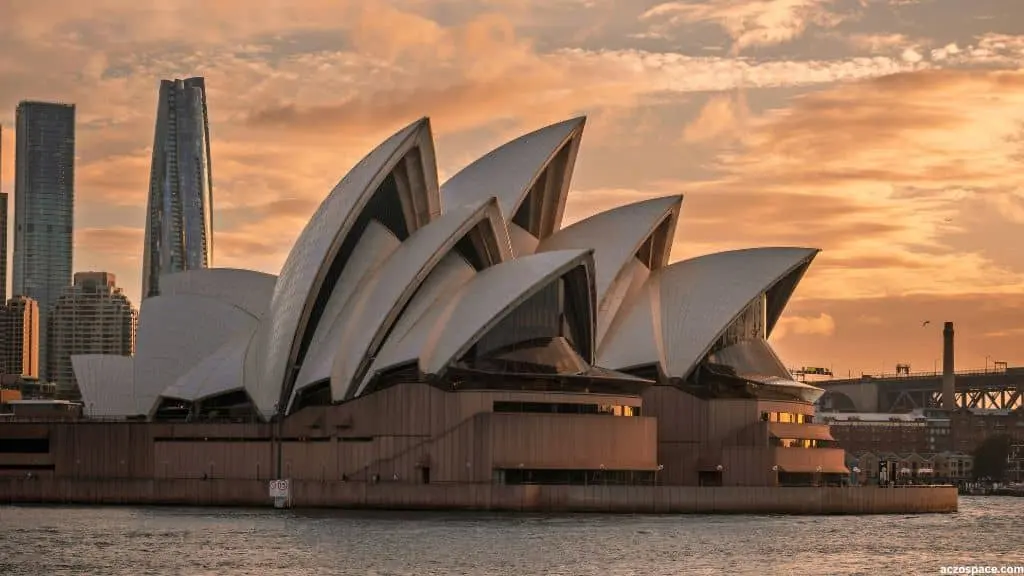
Why It Was Listed (2007)
In 2007, the Sydney Opera House was added to the UNESCO World Heritage List. This recognition confirmed its status as a masterpiece of 20th-century architecture and a symbol of human creative achievement.
UNESCO highlighted the building’s unique combination of artistic design, engineering innovation, and cultural importance as the reasons for its inclusion.
UNESCO Criteria
The Opera House met several key criteria for World Heritage status:
- Artistic achievement: Its sculptural form and visual beauty
- Engineering innovation: The groundbreaking shell roof structure
- Universal value: Its cultural significance for people around the world
These qualities ensure that the Sydney Opera House is protected and celebrated as part of humanity’s shared heritage.
Legacy of the Sydney Opera House
The Sydney Opera House is far more than just an architectural marvel—it is a cultural icon and a landmark in modern architectural history. Its influence spans architecture, tourism, and education, leaving a profound legacy on both Australia and the world.
Impact on Modern Architecture
The Opera House has been a significant source of inspiration for generations of architects. Its distinctive curved forms and shell-like roof design broke away from conventional rectilinear architecture, introducing new approaches to building design.
- The concept of “architecture as sculpture” gained popularity through Utzon’s work.
- Its innovative structure encouraged architects worldwide to experiment with organic shapes and nontraditional forms.
- Today, the Sydney Opera House is studied in architecture courses globally as an example of combining creativity, aesthetics, and engineering excellence.
Influence on Tourism
Sydney Opera House is a major contributor to Australia’s tourism industry:
- Millions of visitors arrive annually to experience its performances and iconic views.
- Its presence supports hotels, restaurants, transportation, and entertainment sectors, making it an economic asset for Sydney.
- The building exemplifies how a cultural landmark can seamlessly merge art, architecture, and commerce.
Educational & Cultural Value
The Opera House serves as a world-class platform for music, drama, and arts programs:
- Schools and universities participate in educational workshops, guided learning programs, and cultural exhibitions.
- Local community programs provide opportunities for residents to engage directly with the arts, fostering a deeper appreciation for cultural activities.
- It continues to act as a vibrant cultural center, promoting arts education alongside entertainment.
Interesting Facts About the Sydney Opera House
- Over 1 million white ceramic tiles cover the roof shells.
- One of the most photographed buildings in the world.
- Hosts over 1,500 performances annually.
- Roof structures weigh over 200,000 tons.
- Architect Jørn Utzon never saw the finished building in person.
- Designated a UNESCO World Heritage Site in 2007.
- Its integration with Sydney Harbour contributes to one of the world’s most recognizable skylines.
Renovations and Modern Improvements
The Opera House has been updated to meet modern standards in performance quality and environmental sustainability.
Acoustic Enhancements
- Original halls received criticism for sound quality.
- Modern sound systems, digital audio technology, and stage equipment were installed.
- Enhancements ensure world-class acoustics for opera, concerts, and theatrical performances.
Sustainability Efforts
- Energy efficiency: LED lighting and energy-saving technologies.
- Water conservation: Advanced water management systems.
- Green initiatives: Waste reduction and environmentally friendly materials.
These updates preserve the Opera House’s heritage while aligning with modern environmental standards.
Sydney Opera House Today
Current Uses
- Operas, concerts, theatre, and cultural festivals.
- Film screenings, lectures, and special events.
- Continues to act as a cultural hub for new generations.
Visitor Experience
- Guided tours provide historical and architectural insights.
- Museum exhibitions educate visitors on performing arts and design.
- Restaurants and cafés offer Sydney Harbour views.
- Visitors enjoy a comprehensive cultural experience, combining education, entertainment, and sightseeing.
Comparison with Other World-Famous Opera Houses
Sydney Opera House vs La Scala (Italy)
- La Scala: Traditional Italian opera house, renowned for historical performances.
- Sydney Opera House: Modern, futuristic design blending architecture, culture, and engineering innovation.
Sydney Opera House vs Royal Opera House (London)
- Royal Opera House: Classical theatre architecture with long historical legacy.
- Sydney Opera House: Futuristic style inspired by natural forms and shells, emphasizing visual sculpture.
Why Sydney Opera House is Unique
- Design: Shell-like roof structures, unlike any other in the world.
- Location: Iconic silhouette integrated with Sydney Harbour.
- Function: Opera, theatre, concerts, and festivals in one venue.
- Symbolism: Represents Australia’s cultural identity globally.
Its combination of innovative design, strategic location, and multifunctional use establishes the Sydney Opera House as one of the world’s most unique and iconic cultural landmarks.
Importance of the Sydney Opera House in World History
The Sydney Opera House is widely regarded as one of the most extraordinary examples of architectural, artistic, and cultural achievement in modern history. As a landmark of the 20th century, it demonstrates the pinnacle of human creativity, blending innovative design, engineering brilliance, and cultural expression into a single iconic structure. Its impact extends far beyond Australia, inspiring architects, artists, and audiences worldwide.
Cultural Heritage Value
The Opera House holds immense cultural significance as both a national symbol of Australia and a globally shared cultural treasure.
- Represents Australia’s cultural identity on the world stage.
- Hosts opera, drama, and concerts that bring together diverse artistic traditions from around the globe.
- Serves as a venue where multiple generations experience performing arts in a shared cultural context.
Artistic Contribution
Sydney Opera House is a remarkable fusion of architecture and performing arts:
- Its shell-like roof design is instantly recognizable and a major innovation in modern architecture.
- Interior halls, including the Concert Hall and Opera Theatre, showcase advanced design tailored for acoustics and audience experience.
- Its construction represents a new era in architectural creativity, influencing the direction of global modern architecture.
Symbol of Human Creativity
Beyond design and performance, the Opera House exemplifies how human creativity can overcome immense challenges:
- Completed despite technological difficulties, political disputes, and financial constraints.
- Demonstrates the resilience and ingenuity of architects and engineers when faced with complex problems.
- Continues to inspire future generations by proving that innovation and perseverance can create timeless masterpieces.
Conclusion
The Sydney Opera House is not just a building; it is a living testament to the unity of architecture, engineering, and culture. Its design history, construction challenges, and enduring cultural legacy have elevated it to the status of a UNESCO World Heritage Site.
- A symbol of Australia’s national identity and a globally recognized creative masterpiece.
- The iconic shell-like roof and stunning Sydney Harbour location make it a visual and cultural landmark.
- Acts as a vibrant performing arts hub while remaining a source of inspiration for future generations.
Looking ahead, the Opera House will continue to serve as a dynamic example of the relationship between art, culture, and modern architecture, standing as a timeless reminder that human creativity knows no bounds.
FAQs
Who designed the Sydney Opera House?
The Sydney Opera House was designed by Danish architect Jørn Utzon, whose innovative shell-like roof design made it an architectural icon.
When was the Sydney Opera House officially opened?
It was officially opened on 20 October 1973 by Queen Elizabeth II, becoming a symbol of Australia’s cultural identity.