The History and Cultural Heritage of Serengeti National Park
Serengeti National Park is internationally known for its vast open plains, diverse wildlife species, and long-standing cultural connections with indigenous communities. Located in northern Tanzania, this iconic park attracts visitors from across the globe and has earned a reputation as one of the world’s premier safari destinations.
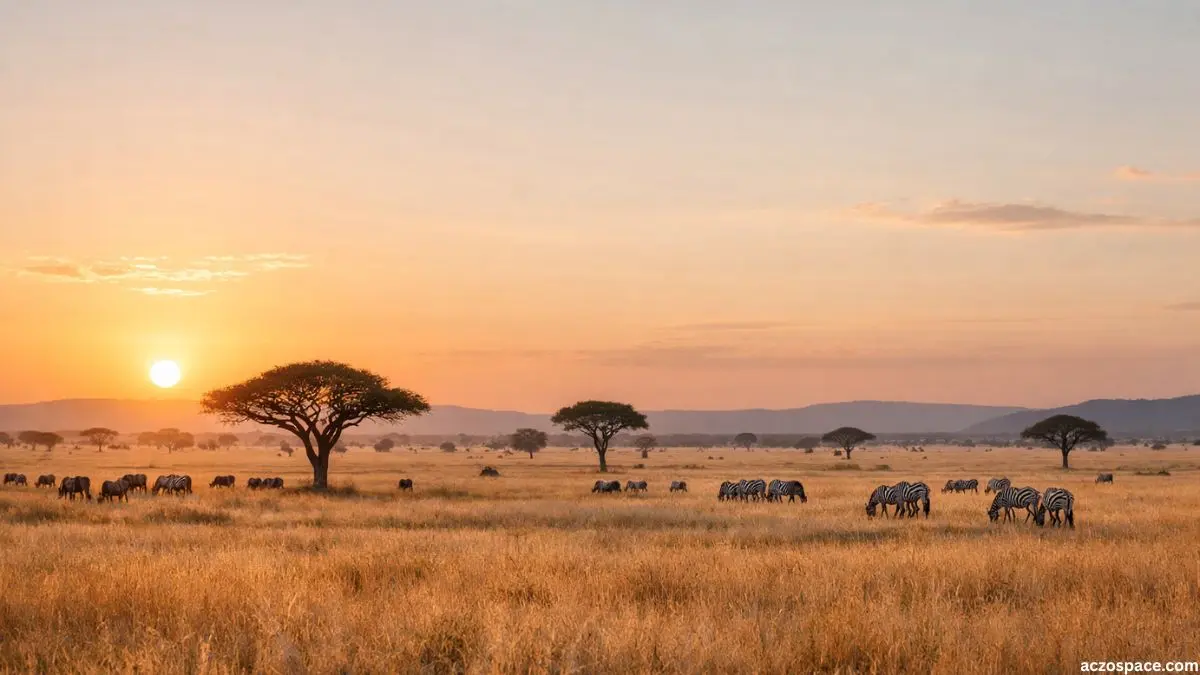
The landscape itself is breathtaking. Endless golden savannas stretch toward the horizon, broken only by scattered woodlands, rocky outcrops, winding rivers, and vast herds of animals roaming freely. This unique combination of open plains and thriving ecosystems gives the Serengeti a character unlike anywhere else on Earth.
One of the park’s greatest spectacles is the Great Migration, a dramatic annual journey in which millions of wildebeest, zebras, and gazelles move in search of fresh grazing and water. This extraordinary natural event alone draws thousands of travelers to Tanzania each year and plays a significant role in the country’s tourism economy.
Due to its unique ecosystem, large wildlife populations, and cultural significance, Serengeti National Park was officially designated as a UNESCO World Heritage Site in 1981. It represents a rare and powerful example of harmony between nature, wildlife, and human history.
This article provides a clear and engaging overview of Serengeti National Park, covering its history and establishment, the rich cultural heritage of the Maasai people, the park’s remarkable wildlife diversity and the world-famous Great Migration, as well as practical safari experiences and travel guidance. It also highlights important conservation and environmental protection efforts.
Together, these sections make the article a reliable and informative resource for anyone who wants to understand the Serengeti beyond the typical tourist perspective.
Table of Contents
Quick Facts
| Category | Details |
| Official Name | Serengeti National Park |
| Location | Northern Tanzania (Arusha & Mara Regions) |
| Established | 1951 (National Park Status) |
| Game Reserve Created | 1921 |
| UNESCO Status | World Heritage Site (1981) |
| Total Area | Approx. 14,750 sq km |
| Ecosystem | Serengeti–Mara Ecosystem |
| Climate | Warm, Tropical Savanna Climate |
| Best Time to Visit | June – October (Dry Season) |
| Famous For | Great Migration & Big Five Wildlife |
| Major Rivers | Mara River, Grumeti River |
| Mammal Species | 70+ Species |
| Bird Species | 500+ Species |
| Indigenous Community | Maasai People |
| Main Tourism Activity | Jeep Safaris, Balloon Safaris, Walking Safaris |
| Conservation Focus | Anti-poaching, Habitat Protection, Eco-tourism |
Location and Geography of the Serengeti
Position Within Tanzania
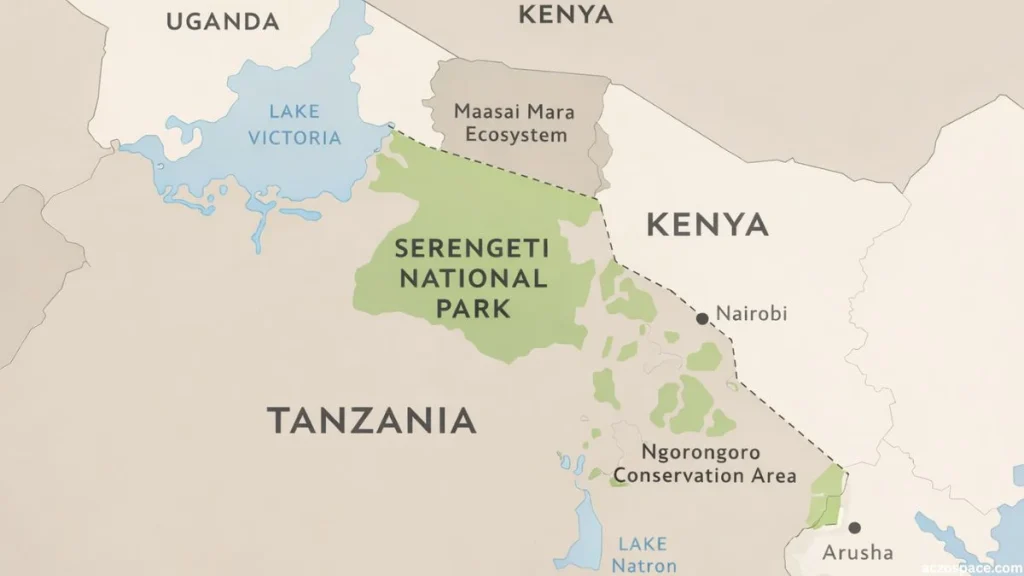
Serengeti National Park lies in northern Tanzania, mainly within the Arusha and Mara regions. It shares a natural border with Kenya’s famous Maasai Mara Reserve. Together, these two protected areas form the vast Serengeti–Mara ecosystem, one of the largest and most important wildlife regions in Africa.
This cross-border landscape allows animals to move freely without regard for national boundaries. As a result, large-scale migrations occur naturally across both Tanzania and Kenya. A look at any Serengeti map clearly shows how close the park is to the Kenyan frontier, explaining why wildlife travels between the two regions throughout the year.
Diverse Landscapes
The Serengeti is far from a single-type terrain. Its environmental variety is one of the main reasons for its extraordinary biodiversity. Different habitats support different species, creating a balanced and sustainable ecosystem.
Key geographical features include:
- Vast savanna grasslands ideal for grazing animals
- River systems such as the Mara and Grumeti
- Open plains and gentle hills
- Rocky outcrops known as kopjes, often used by lions and leopards as resting or lookout points
Because of this diversity, the Serengeti is widely regarded as one of the most important African wildlife parks from an ecological and scientific perspective.
Climate
The park experiences a generally warm and dry climate throughout the year, with two main seasons:
Dry Season (June–October)
- Minimal rainfall
- Animals gather near water sources
- Excellent wildlife viewing
- Ideal for safaris
Wet Season (November–May)
- Regular rains
- Lush green landscapes
- Calving season for many species
- Fewer crowds and scenic beauty
For most travelers, the dry months are considered the best time to visit the Serengeti, as wildlife sightings are easier and road conditions are more reliable.
Origin of the Name and Early History
Meaning of “Serengeti”
The name Serengeti comes from the Maasai language. It is derived from the word “Siringet,” meaning “endless plains.”
Few names describe a place so perfectly. Standing in the Serengeti, visitors often feel as though the grasslands stretch forever. The horizon appears limitless, giving a true sense of vastness and freedom that defines the park’s identity.
Ancient Human Presence
Although the Serengeti is best known for its wildlife, its human history is equally fascinating. Archaeological discoveries suggest that people have lived in or passed through this region for thousands of years.
Early hunter-gatherer communities depended on the land for survival. They hunted animals, gathered wild plants, and adapted closely to seasonal changes. Stone tools, remnants of shelters, and other artifacts provide evidence of these ancient populations.
These findings reveal that the Serengeti is not only a natural sanctuary but also a significant chapter in early human history.
Early Trade and Travel Routes
Long before modern tourism, the Serengeti served as a natural corridor for movement and trade. Maasai herders and other local groups followed animal paths and water sources while traveling across the plains.
These routes connected communities, enabling trade, cultural exchange, and seasonal migration. Over time, the same pathways later attracted explorers, researchers, and eventually safari travelers.
As a result, the Serengeti developed into more than just a wildlife habitat—it became a crossroads of nature, culture, and human activity.
Official History of Serengeti National Park
The Colonial Era: Exploration and Early Awareness
The recorded history of the Serengeti began in the late nineteenth and early twentieth centuries, when European explorers entered East Africa’s interior. German expeditions were among the first to map the region and document its vast plains and rich wildlife.
After World War I, Tanganyika came under the administration of the British Empire through a League of Nations mandate. British colonial officials continued surveying the Serengeti, reporting on its large herds of wildebeest, zebra, elephants, and predators.
At first, the area was viewed mainly as valuable hunting territory. Trophy expeditions became common, and wildlife numbers began to decline in certain areas. These changes raised concerns among conservation-minded administrators and scientists.
Gradually, attitudes began to shift. The Serengeti was no longer seen only as a source of game, but as a unique natural landscape worth protecting. These early conservation discussions under British administration laid the foundation for the park’s later establishment as a protected reserve.
1921: Creation of a Game Reserve
In 1921, a portion of the Serengeti was officially designated as a Game Reserve, becoming one of the earliest wildlife protection initiatives in the region.
During this period:
- Hunting was restricted
- Wildlife protection laws were introduced
- Efforts began to stabilize and rebuild animal populations
Although modest by today’s standards, this legal protection represented a turning point. For the first time, the area was recognized not simply as hunting territory, but as a landscape worth preserving. International interest slowly grew, and the Serengeti started to gain attention as a sanctuary for African wildlife.
1951: Establishment as a National Park
The success of the reserve system encouraged stronger action. In 1951, the area was officially declared Serengeti National Park, a decision widely regarded as the most important milestone in the park’s history.
This upgrade brought several major changes:
- Large tracts of land were added to the protected boundaries
- Anti-poaching measures were strengthened
- Scientific research and wildlife studies were launched
- Tourism infrastructure slowly developed, opening the door to safari travel
With national park status, the Serengeti transformed from a regional reserve into one of Africa’s flagship conservation areas. It soon became a cornerstone of Tanzania’s safari tourism industry, attracting visitors, researchers, and photographers from around the world.
1981: UNESCO World Heritage Recognition
By the late twentieth century, the Serengeti’s global importance was undeniable. Its massive wildlife populations, intact ecosystems, and the world-famous Great Migration made it unique on a planetary scale.
In 1981, the park received UNESCO World Heritage Site status.
This recognition:
- Increased international conservation support
- Boosted global tourism appeal
- Provided stronger legal and environmental protections
From that point forward, the Serengeti was no longer seen solely as a Tanzanian treasure, but as a natural heritage site belonging to all humanity.
Wildlife and Biodiversity of the Serengeti
Serengeti National Park supports one of the largest concentrations of wildlife species in East Africa. Its vast plains, permanent water sources, and seasonal grazing grounds create ideal habitats for a remarkable variety of species.
Today, the park is synonymous with Big Five safaris, the Great Migration, and world-class African wildlife photography. Few places offer such consistent and dramatic encounters with animals in their natural environment.
The Big Five Animals
Many travelers visit the Serengeti hoping to spot the legendary Big Five—a term originally used by hunters, now adopted by safari-goers to describe Africa’s most iconic mammals.
Lion
The Serengeti hosts one of the largest lion populations in Africa. Lions are often seen resting on rocky kopjes or stalking prey across the grasslands.
Elephant
Herds of elephants move slowly between rivers and woodlands. These gentle giants play a vital ecological role by shaping vegetation and creating pathways for other animals.
Leopard
Elusive and solitary, leopards are frequently found resting in trees. Though harder to spot, the Serengeti offers surprisingly good chances to see them compared to many other parks.
Buffalo
African buffalo travel in large herds and are among the most formidable animals on the plains. They are also a key prey species for lions.
Rhino
Rhinos are rare and heavily protected. Conservation programs work tirelessly to safeguard these endangered animals from poaching.
The Great Migration
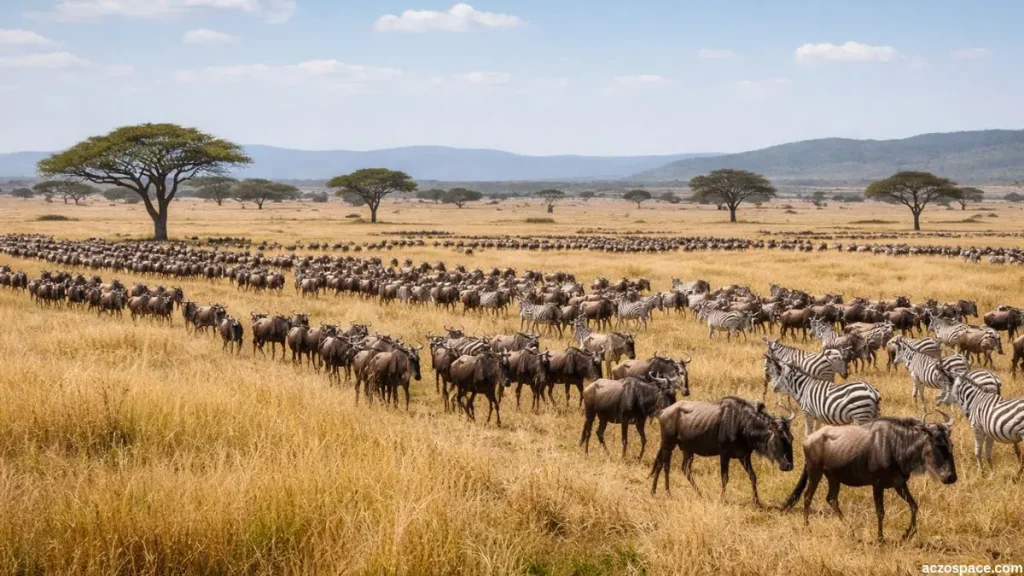
The Great Migration is the most significant natural phenomenon of the Serengeti, involving millions of animals moving seasonally in search of fresh grazing lands and water sources.
Each year:
- Over 1.5 million wildebeest travel across the plains
- Thousands of zebras and gazelles follow
- Predators such as lions, cheetahs, and crocodiles track the herds
Driven by rainfall and fresh grass, the animals move in a continuous cycle between the Serengeti and Kenya’s Maasai Mara. River crossings, where herds brave crocodile-filled waters, are among the most dramatic scenes in wildlife filmmaking.
For photographers and nature lovers, this migration offers unforgettable moments rarely matched anywhere else in the world.
Birds and Reptiles
While large mammals steal most of the spotlight, the Serengeti is equally impressive for birdlife and reptiles.
The park supports:
- 70+ mammal species
- 500+ bird species
- Crocodiles, lizards, and snakes
- Large birds such as ostriches, eagles, and vultures
This diversity makes the Serengeti one of Africa’s most important biodiversity hotspots and a paradise for birdwatchers and researchers alike.
Cultural Heritage and Indigenous Communities of the Serengeti
When most people think of Serengeti National Park, their minds immediately go to wildlife and thrilling safari experiences. Yet, this region is more than a natural wonder—it is also a living cultural heritage site. For thousands of years, indigenous communities, most notably the Maasai people, have called the Serengeti home, and their traditions continue to shape the park’s identity today. Experiencing the Serengeti is as much about understanding its people and culture as it is about observing its wildlife.
The Maasai way of life is closely linked to the natural environment and represents an important example of traditional African culture. Visitors to the Serengeti have the unique opportunity to witness this culture firsthand, making it an enriching complement to any wildlife safari.
The Maasai People
Lifestyle
The Maasai are semi-nomadic pastoralists who live in close harmony with the natural environment. They move seasonally, following water sources and grazing lands for their livestock. Their daily life revolves around:
- Herding cattle
- Collecting water from local rivers and wells
- Practicing traditional crafts
- Maintaining tight-knit family and community bonds
This simple but sustainable way of life has minimal impact on the Serengeti ecosystem, allowing both humans and wildlife to coexist.
Settlements (Manyatta)
Maasai villages, known as Manyatta, are constructed using natural materials such as mud, sticks, and cow dung.
Key features include:
- Circular or oval structures forming a protective enclosure
- Central spaces for livestock
- Layouts that emphasize both safety and social cohesion
These villages not only reflect the Maasai approach to community and protection but also serve as living examples of their culture for visitors.
Economy and Livelihood
Cattle are the backbone of Maasai society. They represent wealth, status, and sustenance. The Maasai use cows for:
- Milk and meat consumption
- Trade and cultural exchange
- Social status and ceremonial purposes
This reliance on livestock shapes their social structure and daily routines, linking human life intricately with the land and wildlife of the Serengeti.
Traditional Attire and Jewelry
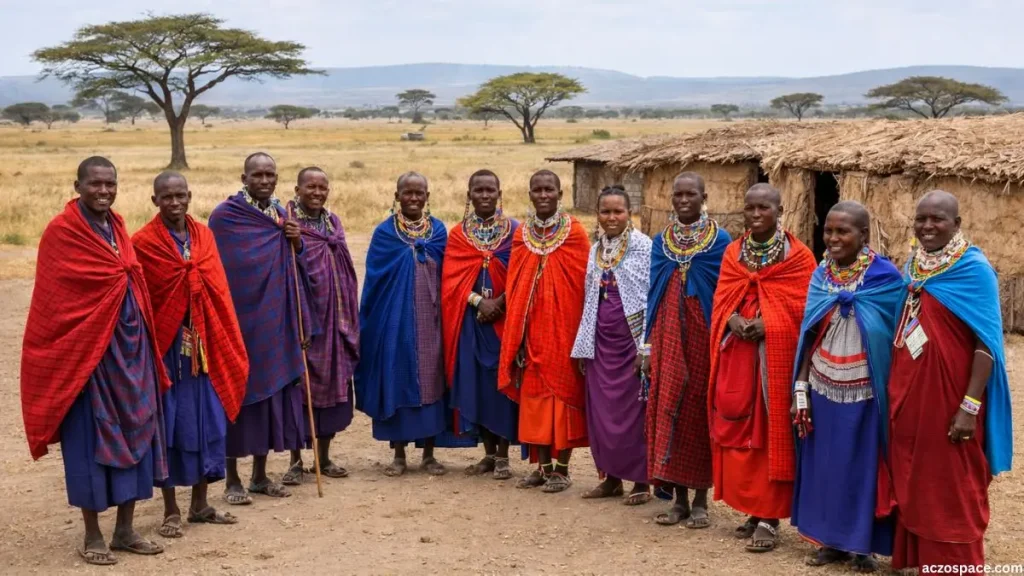
Maasai clothing is instantly recognizable and globally celebrated. Key elements include:
- Shuka – bright red or blue cloth wrapped around the body
- Beaded jewelry – necklaces, bracelets, earrings, and head ornaments
These items are more than decorative; they convey information about age, marital status, and social rank. Handmade Maasai beadwork has also become a popular cultural tourism product, allowing visitors to take home a piece of tradition while supporting local artisans.
Dance and Festivals
The Maasai express joy, community, and tradition through dance. The most famous is the Adumu or Jumping Dance, performed by young men who leap high to showcase strength and endurance.
These dances are an integral part of ceremonies including:
- Weddings
- Birth celebrations
- Religious festivals
Watching or participating in these events provides visitors with a memorable glimpse into Maasai culture and communal life.
Oral Traditions and Beliefs
The Maasai hold a deep spiritual connection to nature and wildlife. They worship Enkai, a deity associated with rain and fertility, and their oral traditions emphasize:
- Respect for animals
- Environmental stewardship
- Honoring ancestors and ancestral land
Stories passed down through generations highlight the value of protecting the Serengeti and living in balance with its ecosystems.
Cultural Experiences for Visitors
Tourists can engage directly with Maasai culture through:
- Visiting Manyatta villages
- Observing traditional dances and festivals
- Learning about beadwork and purchasing handmade crafts
- Understanding daily routines and sustainable living practices
These experiences offer a cultural and educational complement to wildlife safaris, providing deeper insight into the Serengeti’s human and natural heritage.
Tourism and Safari Experience in the Serengeti
Serengeti National Park is a cornerstone of Tanzania’s tourism industry, attracting hundreds of thousands of visitors each year who come to experience a once-in-a-lifetime safari.
Whether observing wildlife closely, photographing dramatic landscapes, or enjoying a unique vacation in the heart of Africa, the Serengeti offers unforgettable opportunities.
Safari Types
Jeep Safari
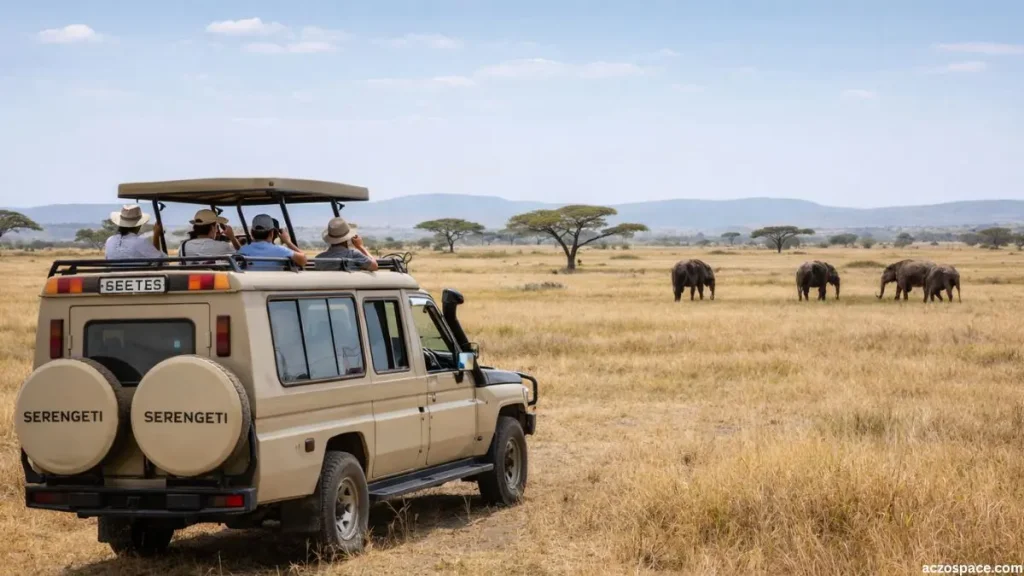
The most popular option, jeeps allow guided exploration of the park’s plains and kopjes. Ideal for families and photographers seeking close wildlife encounters.
Balloon Safari
An early morning hot air balloon ride provides a bird’s-eye view of the Serengeti. Visitors can witness the Great Migration from above, offering a unique and unforgettable perspective.
Walking Safari
Accompanied by experienced guides, walking safaris allow tourists to experience the landscape and wildlife at ground level, gaining a deeper understanding of the park’s ecosystem.
Lodges and Camps
Accommodation in the Serengeti ranges widely:
- Luxury lodges with panoramic views
- Eco-friendly tented camps
- Budget-friendly campsites
This variety ensures that every visitor, regardless of budget, can enjoy a comfortable and immersive stay in the heart of the park.
Visitor Facilities
The park offers essential amenities, including:
- Guided tours and educational programs
- Visitor information centers
- Restaurants and transport services
- Park rangers ensuring safety and wildlife protection
These facilities guarantee a secure and hassle-free experience for tourists.
Responsible Tourism Tips
To help preserve the Serengeti’s natural and cultural heritage, visitors should:
- Keep a safe distance from animals
- Avoid littering or damaging the environment
- Respect local communities and traditions
- Use licensed guides and operators
Following these practices ensures that the Serengeti remains a thriving, protected ecosystem and a source of inspiration for future generations.
Conservation and Protection Efforts in the Serengeti
Serengeti National Park is widely regarded as one of the most valuable examples of wildlife conservation in Africa. Its immense biodiversity, vast grasslands, and intricate river systems make protecting this ecosystem a global responsibility. The park is not only crucial for Tanzania but is recognized internationally for its environmental and scientific significance.
To safeguard this natural heritage, the Tanzanian government, local communities, and international conservation organizations work together to ensure the Serengeti remains preserved for generations to come.
Poaching Control
Poaching has historically posed a severe threat to African wildlife, particularly targeting elephants for tusks and rhinos for their horns. Such illegal hunting can devastate animal populations and destabilize ecosystems.
In the Serengeti:
- Park rangers conduct 24/7 patrols across vulnerable areas
- Modern surveillance technologies are used to detect and deter poachers
- Strict legal penalties are enforced for offenders
These measures have been effective in significantly reducing poaching, helping wildlife populations recover and thrive.
Government and NGO Support
Conservation in the Serengeti is a collaborative effort. The Tanzanian government partners with international NGOs to:
- Provide funding for wildlife protection initiatives
- Conduct research and monitor animal populations
- Educate local communities on conservation
- Promote sustainable tourism practices
This collective effort ensures the park remains well-managed, balancing both ecological preservation and tourism development.
Climate Change Challenges
Today, climate change is one of the Serengeti’s most pressing threats. Shifts in rainfall patterns, prolonged droughts, drying grasslands, and altered migration routes directly affect both wildlife and the ecosystem.
To mitigate these impacts, park authorities and researchers implement:
- Scientific monitoring of environmental changes
- Adaptive management strategies for wildlife and habitats
- Initiatives that integrate community participation for sustainable resource use
Key Conservation Actions
- Anti-poaching patrols
- Wildlife research programs
- Eco-tourism development
- Community awareness and education projects
- Habitat protection and restoration initiatives
These conservation initiatives demonstrate how tourism and environmental protection can be managed together within a protected natural area.
Scientific Importance of the Serengeti
The Serengeti is not just a sanctuary for wildlife; it is also a world-renowned research hub. For decades, scientists have studied its complex ecosystems, animal behavior, and seasonal migrations, producing invaluable data that informs conservation efforts worldwide.
Ecosystem Studies
The Serengeti ecosystem offers scientists a valuable environment for long-term ecological and behavioral research. Researchers study:
- Predator-prey dynamics among herbivores and carnivores
- Interactions between water systems and plant growth
- Food chains and nutrient cycles
These studies help understand how to maintain ecosystem balance and apply lessons to other natural reserves globally.
Animal Behavior Research
The park offers critical insights into the behavior of various species:
- Hunting strategies of lions and cheetahs
- Family and social structures of elephants
- Herding and migratory patterns of wildebeest
Understanding these behaviors helps develop more effective conservation strategies tailored to the species and environment.
Migration Science
The Great Migration is the largest terrestrial animal migration in the world, making Serengeti a key site for studying migration science. Using GPS tracking and satellite data, scientists can monitor:
- Migration routes and seasonal movements
- Timing of migrations in relation to rainfall and food availability
- Ecosystem interactions along migratory paths
These findings are essential for global environmental science, offering insights into wildlife adaptation and ecosystem management.
Travel Guide for Visitors
Planning a trip to the Serengeti requires careful preparation. Understanding the best travel times, transportation options, fees, safety measures, and packing essentials ensures a smooth and memorable safari experience.
Best Time to Visit
The dry season (June – October) is the ideal period for visiting the Serengeti:
- Wildlife is easier to spot near water sources
- Roads are accessible for safari vehicles
- Excellent conditions for photography
The wet season (November – May), while less ideal for spotting predators, showcases lush landscapes and vibrant birdlife, making it perfect for nature enthusiasts and bird watchers.
How to Reach the Serengeti
- International access via Kilimanjaro International Airport
- From Arusha: safari tours available by jeep or small aircraft
- Domestic flights land on Serengeti airstrips for quick park access
Entry Fees
Visitors are required to pay park entry fees, which vary based on:
- Adult and child tickets
- Vehicle charges
- Camping or lodging fees
For the latest fee information, consult travel agencies or the park authority.
Safety Tips
- Stay inside vehicles near wildlife
- Follow guide instructions at all times
- Avoid venturing alone at night
- Maintain safe distances from animals
Adhering to these tips ensures visitor safety and protects wildlife.
Packing Essentials
To fully enjoy your Serengeti safari, pack:
- Clothing suitable for warm days and cool mornings/evenings
- Sun protection (hat, sunscreen)
- Binoculars and cameras
- Reusable water bottles
- Basic first aid kit
Proper preparation enhances comfort and safety, allowing visitors to focus on the unforgettable landscapes and wildlife encounters the Serengeti offers.
Why You Should Visit the Serengeti
Serengeti National Park is widely regarded as one of the world’s most extraordinary travel destinations. What makes it truly unique is the seamless combination of natural beauty, rich wildlife, and deep cultural heritage, all in one place. A visit here goes far beyond a typical safari—it offers an immersive, educational, and unforgettable experience that stays with you long after you leave.
Here are the top reasons to make Serengeti your next travel destination:
Natural Beauty
- Endless savanna grasslands stretching to the horizon
- Stunning sunrises and sunsets over kopjes and rolling plains
- Rivers, hills, and unique rock formations
- Pristine, untouched landscapes
These vistas provide a rare opportunity to reconnect with nature, offering a sense of peace and mental rejuvenation.
Wildlife
- Home to the iconic Big Five: lions, elephants, leopards, buffaloes, and rhinos
- Witness the world-famous Great Migration, featuring millions of wildebeest and zebra
- Observe animals thriving in their natural habitat
- Part of one of the largest and most diverse wildlife ecosystems on Earth
For wildlife enthusiasts, the Serengeti is nothing short of paradise.
Culture
- Learn about the Maasai people and their semi-nomadic way of life
- Explore traditional Manyatta villages
- Experience vibrant tribal dances and festivals
- Gain insight into centuries-old African heritage firsthand
Cultural immersion adds a rich, educational dimension to your safari adventure.
Photography
- Unmatched opportunities for wildlife and landscape photography
- Capture breathtaking sunrises and sunsets
- Birdwatching shots in a thriving ecosystem
- A dream destination for professional and amateur photographers alike
The Serengeti is a place where every photograph tells a story of life, nature, and beauty.
Education
- Learn about ecosystems and biodiversity
- Gain awareness of conservation efforts
- Observe unique animal behaviors
- Ideal for families and students seeking an educational travel experience
A trip to the Serengeti not only entertains but also enriches your knowledge and understanding of the natural world.
Conclusion
Serengeti National Park is a truly exceptional destination, bringing together breathtaking landscapes, incredible wildlife, and a living cultural heritage. From its origins as a Game Reserve to its recognition today as a UNESCO World Heritage Site, the park tells a story of conservation and history spanning nearly a century.
The Maasai culture gives life and meaning to the land, while ongoing wildlife protection efforts ensure that the Serengeti ecosystem remains safeguarded for future generations. By practicing responsible tourism, every visitor contributes to the preservation of this irreplaceable heritage.
Visiting the Serengeti provides travelers with practical knowledge about wildlife, conservation, and traditional cultures while offering a memorable natural experience.
FAQs
How much does a safari cost?
The cost of a safari depends on the lodge you choose, the type of vehicle, and the number of days. On average, basic packages range from $150 to $400 per day. Luxury safaris can cost more, but budget options are also available.
Do the Maasai people live inside the park?
The Maasai people live in areas surrounding the Serengeti and in buffer zones. They continue to maintain their traditional pastoral lifestyle. While permanent residence inside the park’s core area is restricted, cultural villages are open to visitors.