Japanese Samurai: Legacy and Influence Through History
The Japanese samurai were far more than skilled fighters on the battlefield. They were a distinctive warrior class that helped shape Japan’s history, culture, and way of life for centuries. Through their influence on politics, military strategy, and social values, the samurai played a decisive role in determining the course of the nation’s future.
Their story is one of deep tradition and discipline, where warfare and philosophy were closely intertwined. From their humble beginnings to their rise as Japan’s most powerful social class, the legacy of the samurai remains one of the most fascinating chapters in world history.
Historical research shows that the samurai did not emerge as an elite group overnight. They evolved gradually from a largely agrarian society into a professional warrior class that came to dominate Japan’s political and military landscape. Absolute loyalty to one’s lord, known as the daimyo, lay at the heart of samurai life. This loyalty was guided by Bushidō—the “Way of the Warrior”—a moral code that emphasized honor, discipline, integrity, and duty.
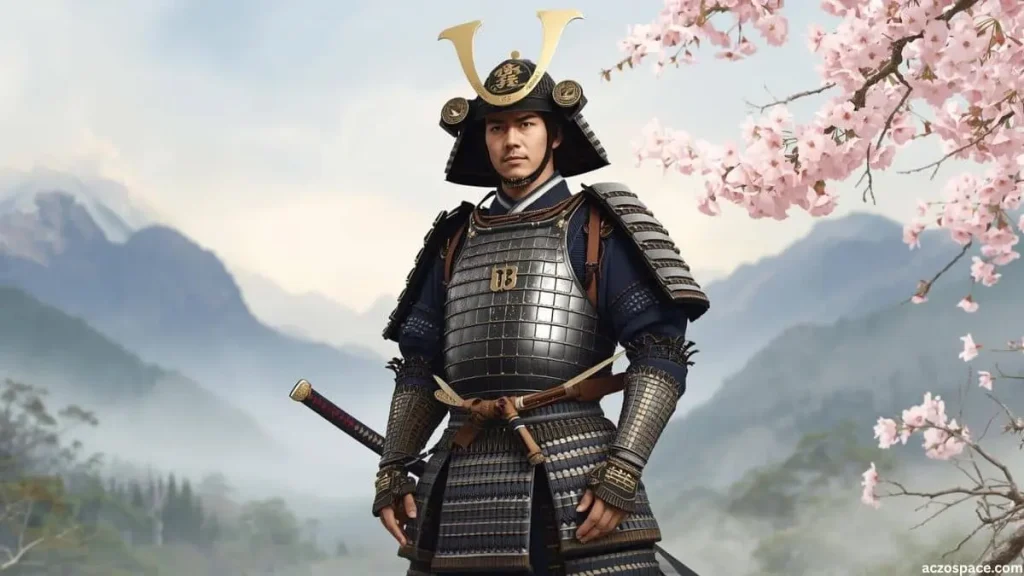
Bushidō was not limited to combat alone. It served as a broader philosophy for how life itself should be lived, influencing personal conduct, decision-making, and social responsibility.
On the battlefield, samurai were renowned for their mastery of weapons such as the katana, as well as their use of armor and advanced combat strategies. Beyond warfare, however, they placed great importance on cultural pursuits. Poetry, calligraphy, Zen philosophy, etiquette, and the arts were considered essential to a well-rounded samurai life.
As a result, samurai history is not merely a collection of war stories—it is an integral part of Japan’s cultural heritage.
Although the samurai class no longer exists today, its influence can still be felt in modern Japan and beyond. Martial arts, leadership philosophies, films, anime, and even contemporary lifestyle concepts continue to draw inspiration from samurai ideals.
Table of Contents
Quick Facts
| Fact | Detail |
| Origin | Japan |
| Active Period | 8th century – 19th century |
| Main Role | Land protection, military service, governance |
| Code of Ethics | Bushidō (Honor, Loyalty, Discipline) |
| Famous Weapon | Katana |
| Social Status | Feudal Japan elite warrior class |
| Armor Type | Ō-yoroi, Dō-maru (lamellar armor) |
| Key Periods | Heian, Kamakura, Muromachi, Edo |
| End of Samurai Era | Meiji Restoration (1868) |
| Modern Influence | Martial arts, culture, philosophy |
The Origins of the Samurai in Japan
The samurai did not appear suddenly as a militant force. Instead, they emerged gradually in response to social and political needs, evolving naturally over time into a unique warrior class. Their origins can be traced back to the Heian period (794–1185 CE).
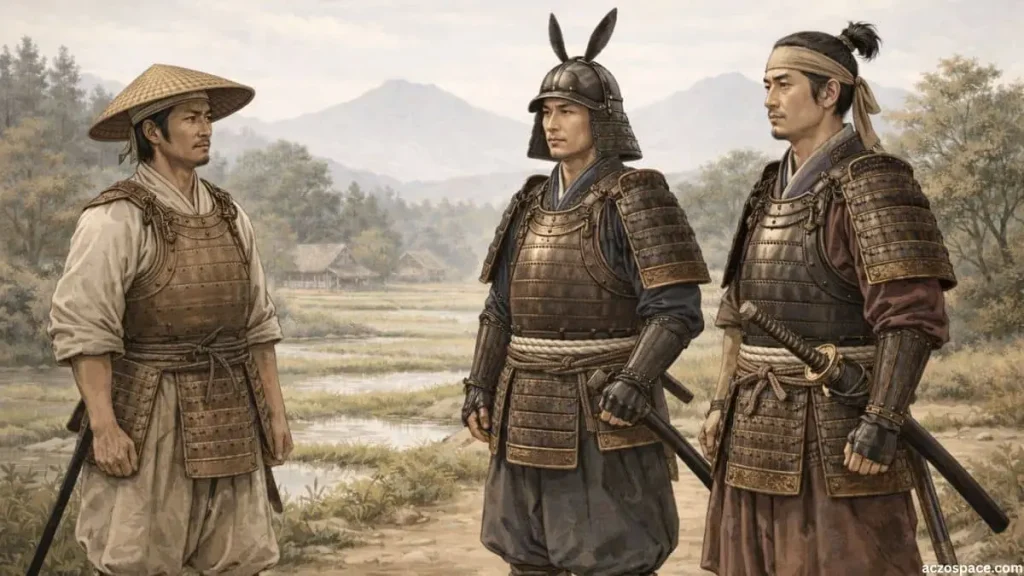
During this era, Japan’s central imperial authority began to weaken. While the imperial court in Kyoto maintained formal control, its power did not fully extend to distant provinces. As a result, local leaders and aristocrats were often left to manage their own affairs.
To protect farmland, estates, and local populations, these provincial elites required reliable armed supporters. This growing need for protection laid the foundation for the rise of the samurai class.
Initially, samurai served primarily as guards and enforcers. Over time, they distinguished themselves not only through martial skill but also through discipline, loyalty, and a strong sense of honor. Serving their lord and defending regional territories became their core responsibilities. Gradually, they emerged as an indispensable part of Japan’s power structure.
From these beginnings, samurai history developed into a powerful legacy that would profoundly influence Japan’s political, military, and cultural transformations for centuries to come.
Early Japanese Society and the Rise of the Warrior Class
In the early Heian period, Kyoto functioned as the administrative center of imperial Japan. However, the authority of the central government struggled to reach remote regions of the country. This lack of control created instability at the local level.
In these distant areas:
- Enforcing law and order was difficult.
- Disputes over land and property became common.
- Theft, armed conflicts, and power struggles were widespread.
Faced with such instability, provincial lords and landowners needed armed individuals to safeguard their property and people. At first, these fighters were not professionally trained soldiers.
They were often ordinary individuals, such as:
- Farmers
- Local enforcers
- Armed community defenders
Over time, these groups gained combat experience and began operating under shared rules of discipline and loyalty. Gradually, they evolved into a more organized and professional warrior class.
This transformation laid the groundwork for what would later be recognized as the elite samurai class.
From Farmers to an Elite Warrior Class
The term samurai originates from the Japanese word saburau, meaning “to serve.” This meaning clearly reflects the core role of the samurai in Japanese society.
In their early form, samurai responsibilities included:
- Serving their lord with loyalty
- Upholding law, order, and moral conduct
- Protecting people and property
As time passed, the role of these warriors changed significantly. Samurai fought on behalf of their daimyo and, in return, were granted land, stipends, and special privileges. This system elevated them into a clearly defined social class.
Compared to farmers and commoners, samurai enjoyed a higher social status and increasing political influence. Eventually, they became the most powerful group within Japan’s military and political systems.
This rise—from ordinary rural defenders to an elite ruling class—enabled the samurai to become one of the most influential forces in shaping Japan’s historical identity.
Loyalty, Land, and Power: The Foundations of Samurai Society
The samurai were not just warriors—they were the backbone of Japan’s social and political structure for centuries. Their society revolved around a few core principles that guided every aspect of their lives, from daily routines to life-and-death decisions on the battlefield.
At the heart of samurai values were:
- Loyalty (Chūgi)
- Honor (Rei)
- Duty (Giri)
These principles demanded unwavering devotion to their lords, the daimyo. A samurai’s life was defined by service to their master, often considered more important than their own survival. They were prepared to sacrifice their lives to uphold their commitments.
In samurai culture, death was far more honorable than deceit, betrayal, or shame. Living without honor was the ultimate failure. These moral and ethical principles later became codified as Bushidō, the “Way of the Warrior,” which would define samurai conduct for generations.
The intertwined structure of land, power, and trust made the samurai an indispensable force in controlling both military and political power in feudal Japan.
Samurai Culture and Traditions
Samurai were not merely warriors; they were also cultural and moral leaders. Their lives extended far beyond combat, encompassing law, etiquette, personal discipline, and cultural refinement.
A samurai’s life required a balance between martial skill and personal development. They cultivated:
- Zen meditation (Zen) to calm the mind and improve focus
- Poetry and literature to develop intellectual sensitivity
- Calligraphy and arts to express simplicity, beauty, and discipline
All of these elements formed the moral and cultural backbone of Bushidō, which guided not only how samurai fought but also how they lived.
Bushidō: The Way of the Warrior
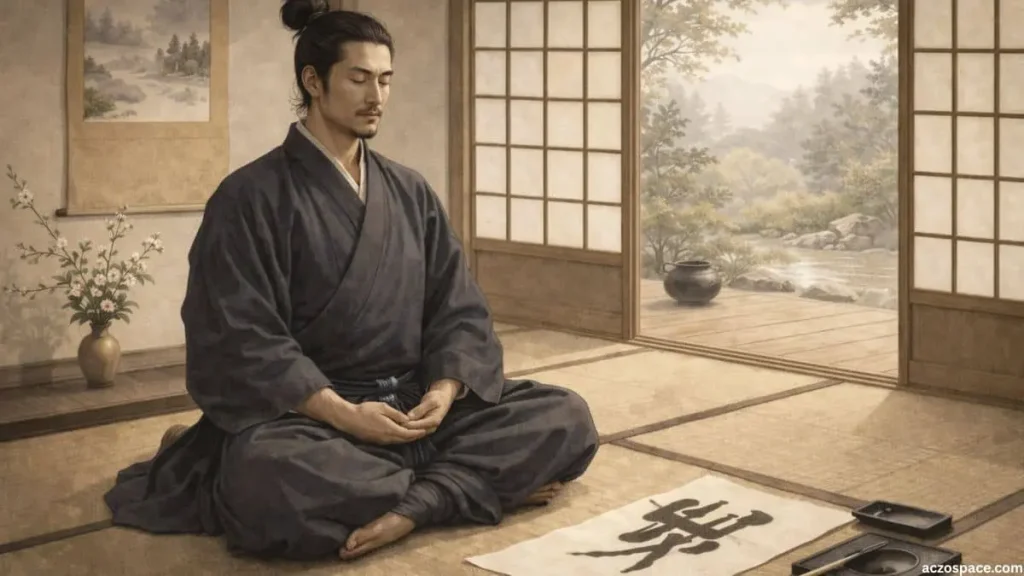
Bushidō was more than a code of combat—it was a way of life. Passed down through generations, it shaped the samurai’s thoughts, decisions, and actions. Its core values included:
- Gi (Righteousness) – Choosing the right course of action and following it
- Yū (Courage) – Acting with bravery and responsibility
- Jin (Compassion) – Showing humanity even when in a position of power
- Rei (Respect) – Demonstrating honor to others and society
- Makoto (Honesty) – Valuing one’s word and maintaining integrity
- Meiyo (Honor) – Protecting personal and family reputation
- Chūgi (Loyalty) – Complete devotion to one’s lord and duties
These principles governed everything from strategy on the battlefield to personal choices and even contemplation of death. According to Bushidō, living honorably was the highest goal for a samurai.
Daily Life of a Samurai
Contrary to the common image of samurai as only fighters, their daily lives were meticulously structured to build both physical and mental strength. Combat training was just one part of a disciplined lifestyle that emphasized self-control, mental focus, and ethical conduct.
Typical elements of samurai daily life included:
- Weapons training – Constant practice with the katana and other arms
- Horsemanship and archery – Enhancing coordination and precision for battle
- Zen meditation – Developing mental calm and concentration
- Poetry and literature – Cultivating intellectual and emotional depth
- Calligraphy and art – Expressing discipline and aesthetic refinement
These practices helped samurai develop inner strength and stability, making them respected not only as warriors but also as cultured and disciplined members of society.
Education, Discipline, and Family Values
Education was central to the samurai way of life. Physical training, intellectual knowledge, and moral guidance were all considered essential. Literacy, study of history, philosophy, and ethics were integrated into daily life.
Samurai believed their conduct should serve as a model for society. Words, actions, and decisions were all guided by honor and responsibility.
Family was the basic unit of samurai life. Values such as discipline, duty, and respect were taught from childhood and passed down through generations. Protecting the family name and honor was a paramount responsibility, shaping both personal identity and social structure.
These educational and familial traditions created samurai with strong character and instilled a life oriented around responsibility and social duty.
Rituals and Symbols of Samurai Culture
The life of a samurai extended far beyond the battlefield, filled with rituals and symbols that expressed values like honor, discipline, and respect.
Key traditions included:
- Seppuku (ritual suicide) – A personal act to preserve honor in the face of shame or defeat
- Sacred value of weapons – The katana and other arms were revered as symbols of ethics and martial virtue.
- Family crests (Mon) – Representing lineage, honor, and identity
These rituals and symbols taught samurai to view life and death through the lens of discipline, honor, and moral responsibility, ensuring that their lives were structured around ethical and culturally refined principles.
This combination of martial skill, ethical discipline, education, and ritualized tradition made the samurai much more than fighters—they were a cultural elite, guiding Japan’s society in both peace and war.
Samurai Warfare and Martial Arts: The Art of Battle
The samurai earned worldwide fame not just for their courage, but for their exceptional skill, discipline, and strategic approach to combat. Their mastery extended beyond physical strength to include mental acuity, tactical awareness, and rigorous training. Samurai martial arts profoundly shaped Japan’s military history, influencing both battlefield tactics and warrior culture for centuries.
Samurai Weapons: Tools of Honor and Combat
The weapons of the Samurai were considered an essential part of their lives. Specifically, the Katana sword represented their soul and honor. Samurai fought by combining physical strength, moral conduct, and tactical training.
Key Samurai Weapons
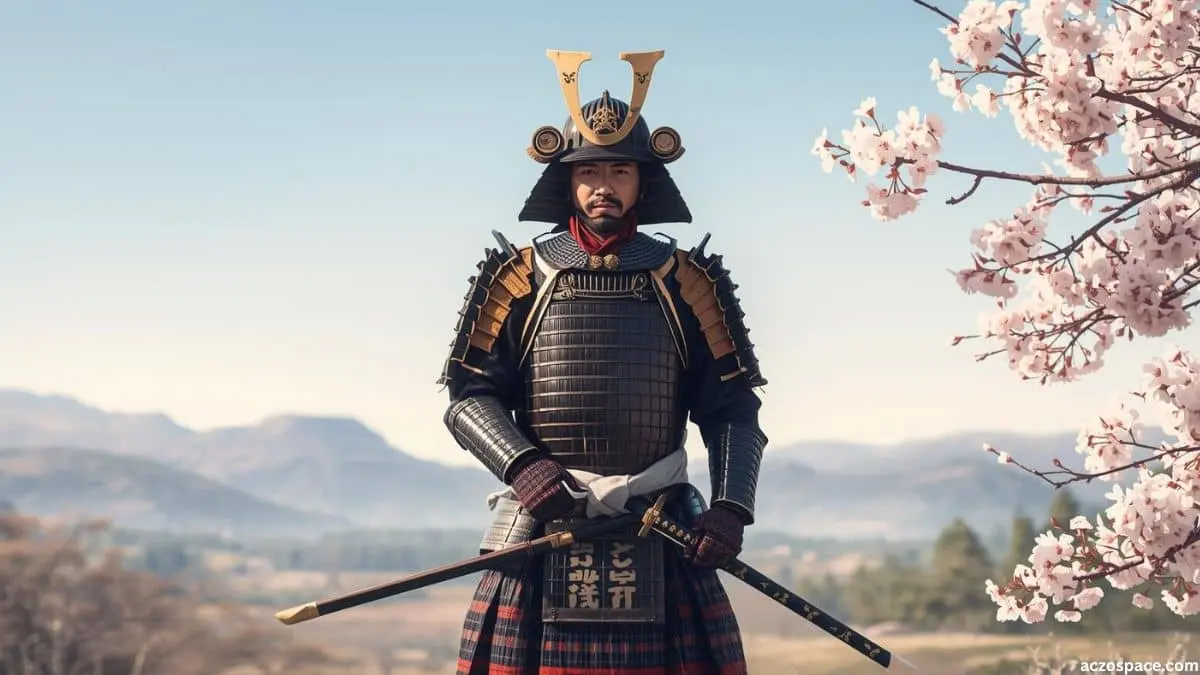
- Katana – The iconic long, curved sword, prized for speed and precision in combat.
- Wakizashi – A shorter companion sword, used for defense and the ritual of seppuku, an act to preserve honor.
- Tantō – A small dagger for close-quarters combat and personal protection.
- Yumi – The traditional longbow, enabling accurate attacks from a distance.
- Yari – A spear used in group formations and against mounted opponents.
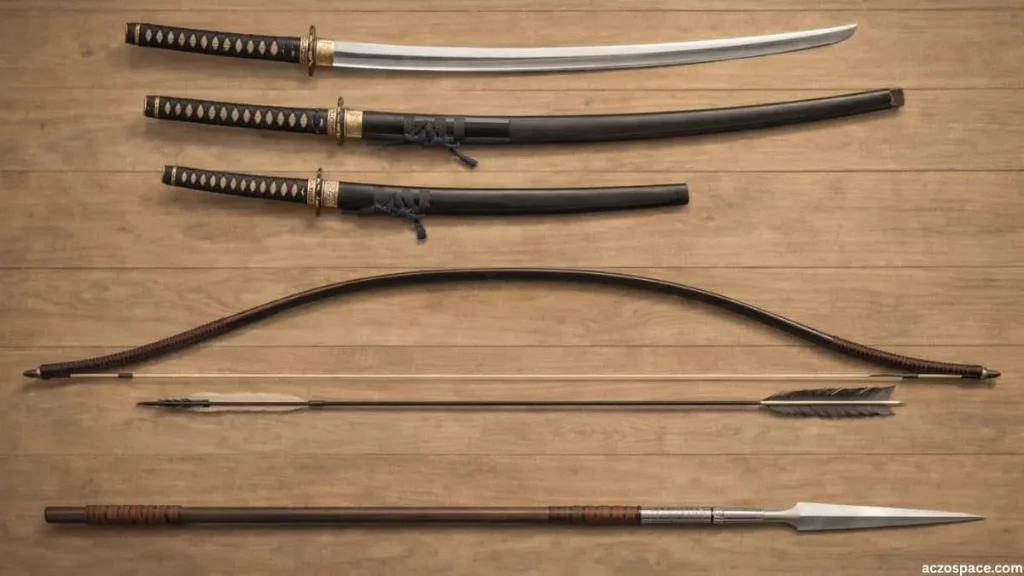
Beyond their practical use, samurai weapons carried symbolic significance. Proper use demanded discipline and respect; misuse was considered dishonorable.
Samurai Armor: Protection with Purpose
Samurai armor was designed to provide mobility, protection, and psychological advantage. It served not only as a defensive tool but also as a symbol of status and identity. The design and decoration of armor reflected the warrior’s rank, family lineage, and personal honor.
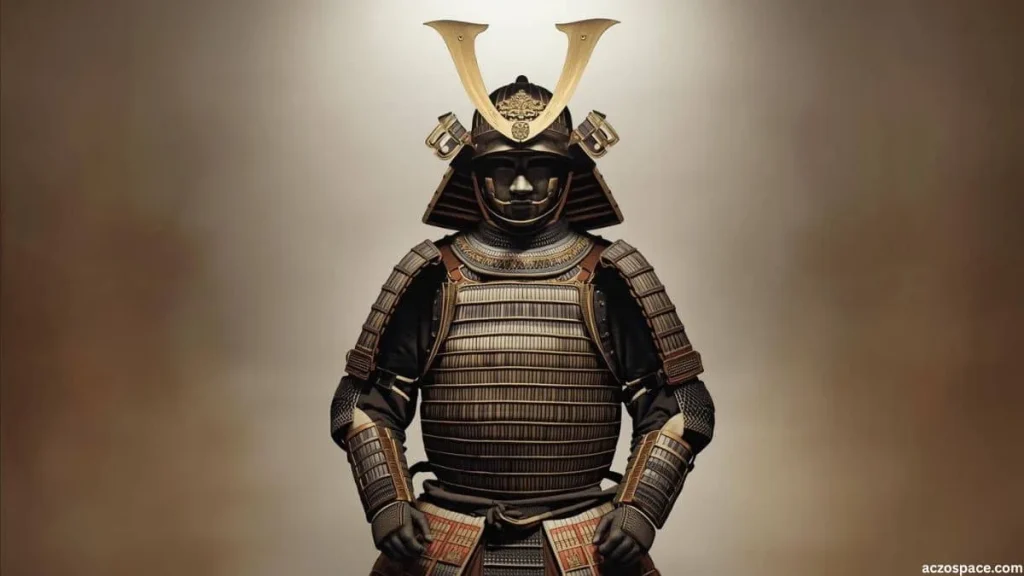
Essential Components of Samurai Armor
- Kabuto (Helmet) – Protected the head and intimidated enemies with striking designs.
- Dō (Chest Armor) – Shielded the torso, guarding vital organs.
- Sode (Shoulder Guards) – Protected arms and shoulders in combat.
- Haidate & Suneate (Leg Guards) – Defended the thighs and shins during battle.
Symbolic and Cultural Features
- Family Crest (Mon) – Represented lineage and personal identity.
- Colors and Patterns – Signaled rank, bravery, and martial honor.
- Fierce Masks – Intended to intimidate opponents and create a psychological edge.
Samurai armor combined physical defense with mental strategy, enhancing confidence and focus on the battlefield.
Martial Arts and Combat Techniques
Samurai combat was highly refined, blending physical strength, mental alertness, and tactical coordination. Training emphasized versatility, enabling warriors to adapt to various opponents and situations.
Major Samurai Fighting Styles
- Kenjutsu – Sword techniques and offensive strategies.
- Kyūdō – Archery, focusing on precise long-distance attacks.
- Sōjutsu – Spear and polearm combat, especially effective in formation battles.
- Jūjutsu – Unarmed techniques, including grappling and joint locks, for defensive or improvised combat.
Characteristics of Samurai Warfare
- Individual Combat Skills – Mastery over single opponents.
- Group Tactics – Coordinated maneuvers in large-scale battles.
- Observation and Adaptability – Recognizing enemy weaknesses and adjusting strategies accordingly.
Zen philosophy and mental discipline played a critical role, enabling samurai to fight efficiently, gracefully, and decisively.
Strategy and Psychological Warfare
The true strength of the samurai lay not just in physical combat, but in planning, mental resilience, and battlefield strategy. They understood that victory often depended on psychological advantages as much as martial prowess.
Pre-Battle Tactics
- Analyzing terrain and positioning for strategic advantage.
- Studying enemy formations and vulnerabilities to plan attacks.
Psychological Warfare
- Using sounds, signals, and intimidating displays to unsettle the enemy.
- Armor, masks, and banners reinforced fear and projected authority.
- Maintaining calm and discipline strengthened mental stability and confidence.
Zen-Inspired Battlefield Awareness
- Controlling fear and maintaining composure in life-or-death situations.
- Accepting the possibility of death to act decisively.
- Heightened focus on the opponent’s actions and openings during combat.
These elements gave samurai warriors a distinct advantage in battle, making them highly effective, respected, and feared opponents. Strategic foresight, psychological mastery, and physical skill together formed the core of their battlefield success.
The samurai were not just swordsmen—they were strategists, disciplined athletes, and psychological tacticians, whose techniques and philosophies continue to influence martial arts and military thought worldwide. Their approach to combat reflected a profound understanding of honor, discipline, and the human mind, elevating warfare to both an art and a code of ethics.
Famous Samurai and Legendary Battles
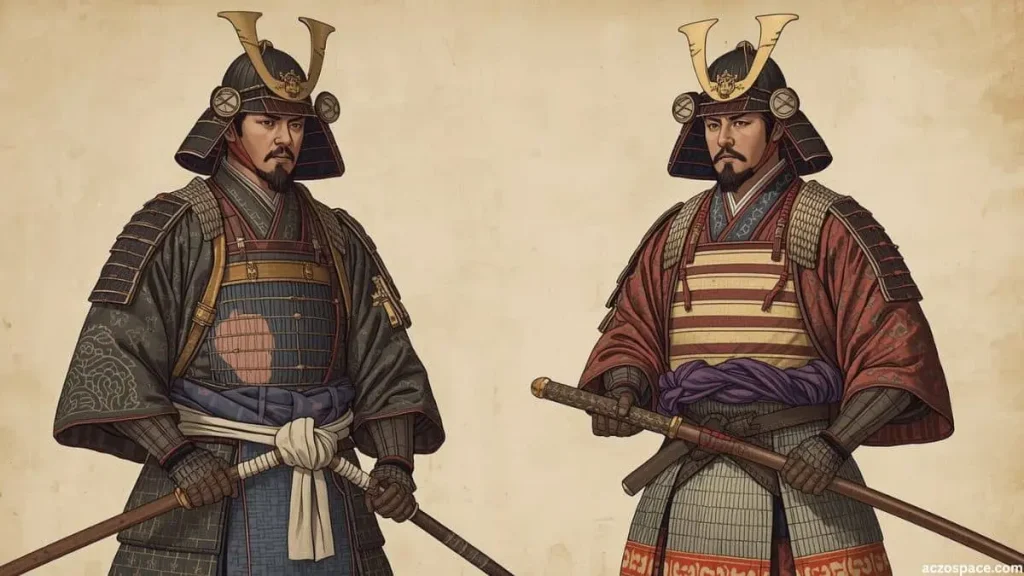
The history of the Japanese samurai extends far beyond swords, armor, and battlefield tactics. It is also a story of remarkable individuals whose intelligence, skill, and adherence to **Bushidō—the samurai code of honor—**shaped the course of Japanese history. Even today, samurai figures are celebrated as heroes and cultural icons in Japan, embodying ideals of courage, discipline, and loyalty.
Legendary Samurai Figures
Miyamoto Musashi
Arguably, Japan’s most famous samurai, Miyamoto Musashi, is remembered for his unmatched dueling prowess. Throughout his life, Musashi reportedly won more than 60 duels, mastering a unique two-sword fighting style known as Niten Ichi-ryū. Beyond his skill as a warrior, he was also a philosopher and artist. His seminal work, The Book of Five Rings, remains a cornerstone of martial strategy and a source of insight into samurai philosophy. Musashi’s life and teachings continue to inspire martial artists and strategists worldwide.
Minamoto no Yoshitsune
A legendary figure of the late Heian period, Minamoto no Yoshitsune played a pivotal role in the Genpei War, leading the Minamoto clan to victory over the rival Taira clan. Celebrated for his tactical brilliance and audacity, Yoshitsune’s career was short but highly influential. His daring strategies and heroic persona remain prominent in Japanese literature, theater, and folklore, marking him as one of the nation’s most iconic warriors.
Oda Nobunaga
A transformative figure of the Sengoku period, Oda Nobunaga was both a formidable samurai and a visionary military leader. He pioneered the use of firearms and modernized battlefield tactics, challenging centuries-old samurai traditions. Nobunaga’s campaigns laid the foundation for Japan’s eventual unification, ushering in a new era of military strategy and governance. His innovative thinking and decisive leadership secured his place as a key architect of Japan’s transition from fragmented feudal states to a centralized nation.
Key Samurai Battles
Several battles in Japanese history highlight the power, strategy, and influence of samurai warriors. These conflicts not only shaped military outcomes but also transformed Japan’s political and social structures.
The Genpei War (1180–1185)
Fought between the Taira and Minamoto clans, the Genpei War was a defining conflict that cemented the samurai’s political influence. It showcased advanced martial techniques, battlefield strategy, and the growing prominence of samurai leadership. The war concluded with the Minamoto victory, establishing the Kamakura Shogunate and marking the beginning of samurai dominance in Japanese governance.
The Sengoku Period (15th–16th Century)
Known as the “Warring States Period,” the Sengoku era was a time of near-constant warfare among regional daimyo (feudal lords). Samurai warriors honed their combat skills, battlefield strategy, and defensive techniques to unprecedented levels. This period was crucial in defining the role and prestige of samurai in Japanese society, as their military prowess became central to political power and territorial control.
The Battle of Sekigahara (1600)
The Battle of Sekigahara was a pivotal turning point in Japanese history. Tokugawa Ieyasu’s victory in this conflict allowed him to consolidate power and establish the Tokugawa Shogunate, which would govern Japan for over 250 years. Sekigahara demonstrated the strategic skill, discipline, and leadership of samurai armies, cementing their legacy in both military and political spheres.
Why These Battles Matter ?
These battles were not merely military encounters—they were transformative events that reshaped Japan’s political landscape. They strengthened the authority of the samurai class, influenced social hierarchies, and contributed to the development of laws and governance systems. Samurai courage, strategy, and innovation during these conflicts left a lasting imprint on Japanese society and culture.
The stories of legendary samurai and the battles they fought reveal a unique combination of honor, strategy, and martial skill that defined Japan for centuries. From the genius of Miyamoto Musashi to the battlefield brilliance of Tokugawa Ieyasu, the samurai legacy continues to inspire fascination worldwide, serving as a window into the discipline, valor, and enduring spirit of Japan’s warrior culture.
The Decline of the Samurai Class
For centuries, the samurai dominated Japanese society as warriors, landholders, and elite administrators. Yet, their rise to power was matched by a gradual decline, shaped by social changes, political shifts, and the advent of modern military technology. This was not a sudden collapse but a long, complex transformation that unfolded over generations.
The Tokugawa Shogunate and an Era of Peace
The establishment of the Tokugawa Shogunate in 1603 by Tokugawa Ieyasu marked the beginning of a long period of peace in Japan, known as the Edo period. For nearly 250 years, samurai found themselves with far fewer opportunities to engage in warfare. Instead, many took on roles as government officials, administrators, and tax collectors.
While this peace brought stability to Japan, it also fundamentally changed the samurai way of life. Martial skills that had defined their social status were less relevant, and the routines of daily life shifted from battlefield training to bureaucratic duties. Samurai traditions, though still respected, began to evolve under these new circumstances.
Economic Challenges and Social Shifts
During the Edo period, samurai were provided stipends, often in rice, which gave them a basic living. However, merchants and artisans increasingly accumulated wealth and economic influence, while many samurai struggled financially.
Economic pressures forced some samurai into debt or private ventures, creating tension between the ideals of Bushidō—honor, loyalty, and martial excellence—and the harsh realities of daily life. This period highlighted the growing disconnect between the samurai’s social prestige and their material well-being, prompting adaptations in their traditions and lifestyle.
The Meiji Restoration and the End of the Samurai
The Meiji Restoration of 1868 marked a turning point in Japanese history. With the restoration of imperial power, Japan embarked on rapid modernization, adopting Western-style governance and military organization. For the samurai class, this era brought dramatic changes:
- Their legal status as a privileged warrior class was abolished.
- Carrying swords in public was prohibited, symbolically ending their traditional authority.
- A new, conscripted national army replaced samurai militias.
These reforms transformed Japanese society and forced the samurai to adapt to a new social and political order, where martial prowess alone no longer guaranteed status or livelihood.
Resistance and the Final Samurai Revolt
Not all samurai accepted these changes willingly. Many loyal to traditional samurai values and Bushidō resisted the Meiji government’s reforms. This resistance culminated in the Satsuma Rebellion of 1877, led by disaffected samurai from the Satsuma domain.
Despite their courage and adherence to traditional warrior codes, the samurai were defeated by the modernized national army. The rebellion marked the final military stand of the samurai, bringing an end to centuries of samurai dominance in Japan. With its conclusion, the era of the samurai became a chapter in history, giving way to a modern Japan shaped by centralized governance, industrialization, and Western influence.
The Legacy of the Samurai
Though their political and military power ended, the samurai left an enduring legacy. Bushidō values, discipline, and honor continue to influence Japanese culture, literature, and martial arts. The story of their rise and fall illustrates the tension between tradition and modernization, highlighting how even the most powerful social classes must adapt—or face obsolescence.
The decline of the samurai serves as both a cautionary tale and a tribute to a warrior culture that shaped Japan for centuries.
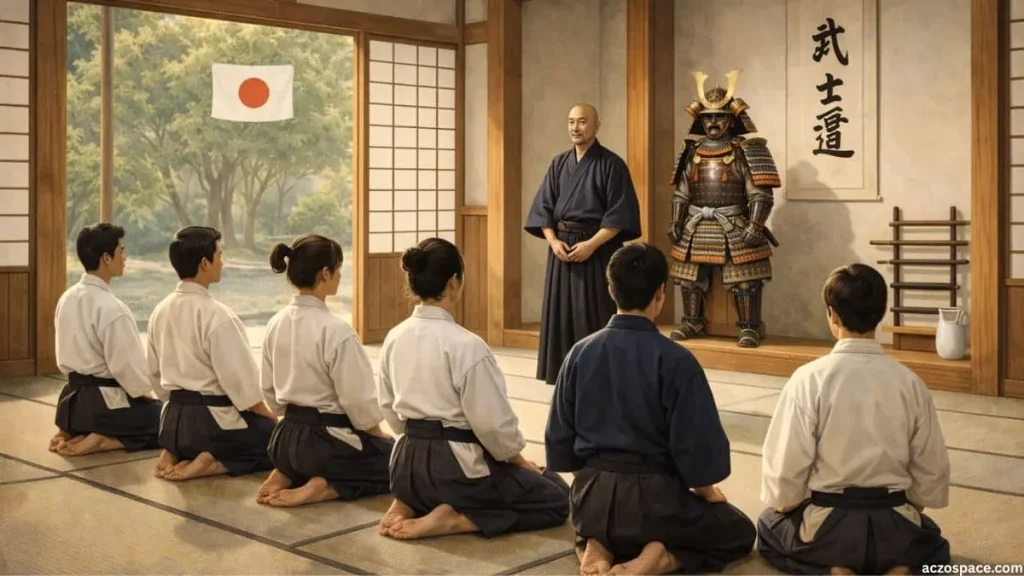
The Enduring Legacy of the Samurai in Modern Japan
Although samurai warriors no longer walk among us, their values, discipline, and way of life continue to resonate deeply in Japanese society. The principles of Bushidō—honor, integrity, and duty—have influenced everything from education and business to arts and social conduct. Today, the samurai legacy extends far beyond military history, forming a foundation for modern Japanese culture, ethics, and social behavior.
Influence on Martial Arts
The traditions of the samurai continue to shape modern Japanese martial arts. The discipline, respect, and training methods of samurai are reflected in practices such as kendo, judo, aikido, and kyudo:
- Kendo is a modern adaptation of samurai swordsmanship, emphasizing precision, discipline, and mental focus.
- Judo combines physical strength with mental balance and strategic thinking.
- Aikido teaches practitioners to redirect an opponent’s force rather than respond with brute strength, reflecting the samurai’s emphasis on skillful, measured action.
- Kyudo, the art of Japanese archery, focuses on spiritual development, mindfulness, and internal discipline.
Through these arts, the samurai values of self-control, honor, and perseverance remain alive, connecting practitioners to a centuries-old warrior ethos.
Samurai Philosophy in Modern Life
The ethical framework of the samurai, especially Bushidō, continues to shape contemporary Japanese life. Its influence can be seen across multiple domains:
Modern Applications of Bushidō Values
- Business leadership emphasizes responsibility, dedication, and ethical conduct.
- Public service values honesty, integrity, and duty to society.
- Education stresses accountability and responsibility among teachers and students.
Lessons from Samurai Culture
The samurai legacy teaches enduring lessons:
- Taking responsibility: prioritizing commitments and completing tasks with dedication.
- Commitment to goals: pursuing long-term objectives with focus and perseverance.
- Courage in adversity: cultivating inner strength to face challenges and setbacks.
These principles have deeply influenced Japan’s corporate culture, educational systems, and social norms, bridging the gap between traditional values and modern life.
Samurai in Popular Culture
Samurai warriors remain iconic figures in global popular culture, inspiring countless stories and creative works. Their presence is felt in:
- Films: Classic samurai movies, especially Akira Kurosawa’s masterpieces, have introduced samurai ethics and storytelling to international audiences.
- Television dramas: Creative series often explore samurai characters and historical narratives.
- Anime and manga: These media showcase samurai combat skills and moral dilemmas in entertaining and imaginative ways.
- Video games: Players can experience samurai life firsthand, embodying their discipline, strategy, and valor.
This widespread representation has made the samurai a globally recognized symbol of courage, honor, and resilience.
Global Impact of Samurai Values
The principles of Bushidō continue to influence leadership, personal development, and cultural projects worldwide:
- International education and mentorship: Samurai-inspired values guide youth development programs and leadership training.
- Corporate and personal growth: Integrity, perseverance, and responsibility are used as core principles for professional and personal success.
- Cross-cultural influence: Concepts of honor, discipline, and respect have been adapted in modern organizational and social systems beyond Japan.
These lessons demonstrate that samurai philosophy is not just historical—it is practical, timeless, and globally relevant.
Conclusion
The history of Japan’s samurai is far more than tales of battles. It is a story of discipline, honor, and a unique way of life that left an indelible mark on Japanese society. Beginning as rural warriors, the samurai evolved into a powerful ruling class, embodying values that influenced every facet of society.
The Bushidō code guided not only how they fought but also how they lived and faced death. Their mastery of the sword, armor, and martial arts cultivated physical strength, self-discipline, and resilience. While peace under the Tokugawa Shogunate and the Meiji Restoration brought the samurai class to an end, their ethical framework and cultural influence never vanished.
Today, the samurai legacy thrives in martial arts, business ethics, education, and popular culture. Their lessons in discipline, honor, responsibility, and dedication remain relevant across generations. Though the samurai lived centuries ago, their philosophy continues to inspire, teaching timeless principles that remain meaningful worldwide.
FAQs
Why were swords so important to the Samurai?
The katana was considered the soul of the Samurai. It was not just a weapon of battle, but also a symbol of honor and responsibility.
Are there Samurai today?
No. However, Samurai values and philosophy still exist today in various disciplines, including martial arts, business, and lifestyle