
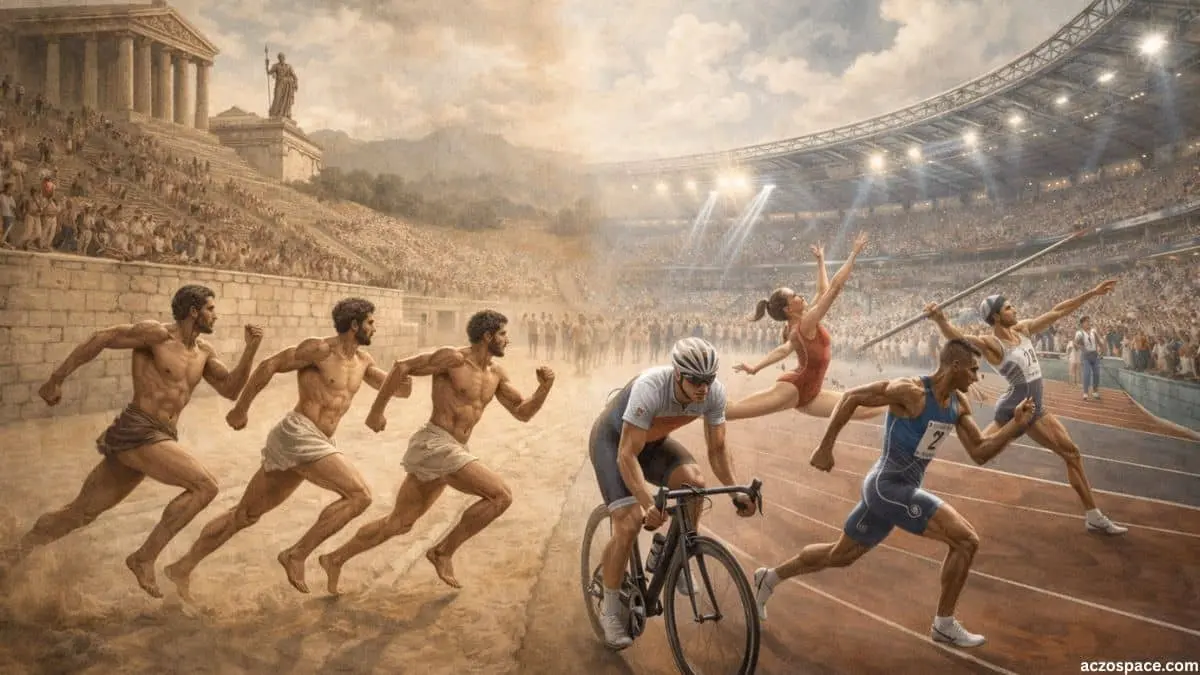
The Olympic Games are widely regarded as the most prestigious sporting event in the world. Held once every four years, they attract billions of viewers across the globe. For athletes, the Olympics represent a rare opportunity to showcase their talent, determination, and sportsmanship on the world’s biggest stage. More than just a competition, the Games celebrate both physical ability and the extraordinary potential of human achievement.
The origins of the Olympics stretch back over 2,700 years to ancient Greece, where athletic contests were held in honor of the gods—especially Zeus, the king of the Greek pantheon. Through intense training and unwavering dedication, athletes competed not only for personal glory but also to bring pride and honor to their city-states.
The modern Olympic Games were revived in 1896 by Baron Pierre de Coubertin, who envisioned sport as a powerful tool for international cooperation and mutual respect. Today, the Olympics unite sport, culture, and global connection, promoting values such as unity, friendship, fair play, and peace among nations.
Table of Contents
Quick Facts
| Fact | Detail |
| Origin | Ancient Greece, first recorded Olympics in 776 BCE at Olympia |
| Ancient Purpose | Religious & athletic festival in honor of Zeus |
| Ancient Competition Interval | Held every four years (“Olympiad”) |
| Decline | Ended in 393 CE by Roman decree against pagan festivals |
| Modern Revival | First modern Olympics 1896 in Athens, Greece |
| Founder of Modern Olympics | Baron Pierre de Coubertin |
| First Modern Participants | ~280 athletes from 12 nations |
| Modern Frequency | Every four years for Summer Games |
| Winter Olympics Start | 1924 (Chamonix, France) |
| Olympic Symbol | 5 interlocking rings representing worldwide unity |
| Modern Legacy | Largest international sporting event today |
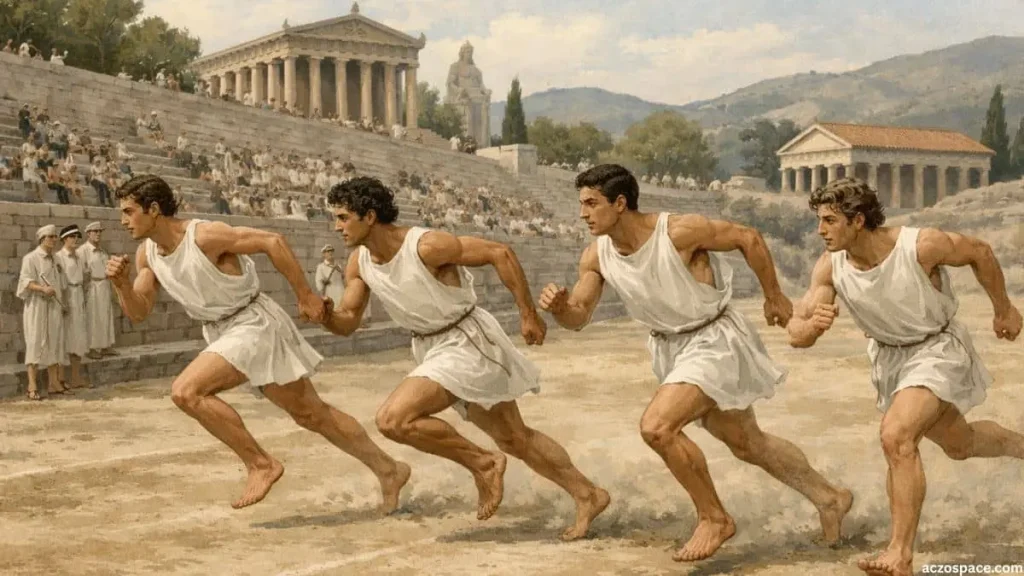
Origins of the Ancient Olympic Games
The ancient Olympic Games began in 776 BCE in Olympia, Greece. They were originally part of a religious festival dedicated to Zeus and were considered a sacred event. Like the modern Olympics, these games were held every four years—a tradition that has endured for centuries and continues today.
The festival served a purpose beyond athletics. In a world where Greek city-states were often in conflict, the Olympic Games helped foster unity and cooperation. During the Games, a sacred truce was declared, allowing athletes and spectators to travel safely from different regions to participate in the celebrations.
In the early years, participation was limited strictly to free Greek men. Women were largely excluded, both as competitors and as spectators, reflecting the social norms of the time. Despite these restrictions, the Games placed great emphasis on physical strength, endurance, and athletic skill.
Victors did not compete for money or material rewards. Instead, they were honored with olive wreaths—a powerful symbol of honor and excellence. The Games became a platform for promoting key Greek ideals such as discipline, respect, self-control, and the pursuit of excellence, values that continue to shape the Olympic spirit today.
Key Features of the Ancient Olympic Games
The ancient Olympic Games were held in Olympia, one of the most important religious and cultural centers of ancient Greece. Far more than a sporting venue, Olympia was a sacred site where athletic competition, worship, and cultural identity came together.
The Games featured a wide range of events, including foot races, boxing, wrestling, pankration, and chariot racing. Before any competition began, religious rituals and prayers were performed to honor the gods, emphasizing the spiritual significance of the festival.
To ensure safe travel for athletes and spectators, a sacred truce (Ekecheiria) was declared. This temporary ceasefire allowed participants to journey across rival city-states without fear, reinforcing the Games’ role in promoting unity during a time of frequent conflict.
Over the centuries, the ancient Olympics became a powerful symbol of Greek identity and cultural pride. Even under Roman rule, when the Games gradually declined, their influence on organized sport endured. This legacy later inspired efforts to revive the Olympics in the modern era.
Events of the Ancient Olympic Games
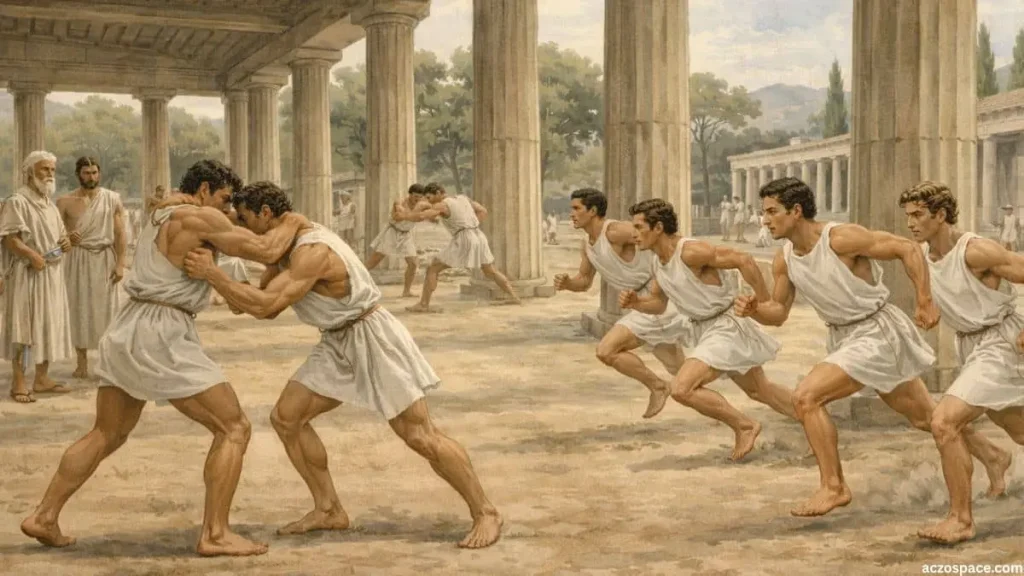
The ancient Olympics included a variety of competitions designed to test speed, strength, endurance, and skill. The arenas and training grounds were carefully designed to highlight physical excellence, reflecting the Greek admiration for the human body and its capabilities.
Running Events
Running competitions were among the earliest and most respected events, challenging athletes in different ways:
- Stadion Race – A short sprint of approximately 192 meters, testing raw speed and explosive power.
- Diaulos – A double-length race that required both speed and stamina.
- Dolichos – A long-distance event covering up to 24 laps, demanding endurance, pacing, and strategic thinking.
Combat Sports
Combat events tested an athlete’s strength, courage, and fighting skills, often under intense physical conditions:
- Wrestling – Focused on technique, balance, and tactical strength rather than brute force alone.
- Boxing – A brutal and demanding contest that emphasized toughness and resilience, often fought with minimal protection.
- Pankration – A combination of boxing and wrestling, considered the ultimate test of combat ability, with very few restrictions.
Equestrian Events
Equestrian competitions showcased both animal and human skill and were among the most thrilling events for spectators:
- Chariot Racing – Highly popular and extremely dangerous, requiring precision, strategy, and exceptional courage.
- Horseback Riding – Tested the agility of the horse and the expertise of the rider.
The ancient Olympic Games were not limited to athletic contests alone. They were major cultural celebrations, often accompanied by music, poetry, and religious ceremonies. Athletes trained for months—sometimes years—in gymnasiums, highlighting the importance of discipline, preparation, and dedication.
These early competitions laid the foundation for modern competitive sports, influencing both the structure and spirit of contemporary athletics. The ancient Olympics remain a lasting testament to humanity’s pursuit of excellence, fair play, and the joy of competition.
Social and Cultural Impact of the Ancient Olympic Games
The ancient Olympic Games were far more than athletic competitions. They played a central role in Greek society and culture, shaping values, identity, and social interaction. In a landscape often divided by rivalry and warfare, the Games helped create a shared sense of unity among the Greek city-states.
During the Olympic festival, a temporary sacred truce was declared, allowing athletes, spectators, and officials to travel safely to Olympia. This remarkable tradition highlighted the role of sport as a force for peace and cooperation, even in an era marked by frequent conflict.
Beyond the athletic events, the Olympics functioned as a major cultural festival. Poets, musicians, and artists gathered alongside athletes to display their talents, turning the Games into a celebration of both physical and intellectual achievement. Religious ceremonies—especially those honoring Zeus—reinforced the sacred nature of the event and emphasized the spiritual dimension of Greek life.
The festival also created opportunities for social interaction, trade, and political discussion. Large public gatherings encouraged the exchange of ideas and strengthened connections between individuals and city-states, making Olympia a vibrant center of Greek public life.
Key Cultural Influences
- Strengthened Greek identity and shared pride across different city-states
- Promoted the Greek ideal of harmony between mind and body through discipline and excellence
- Provided a platform for artistic and intellectual expression, including poetry, music, and sculpture
- Served as a major social gathering place, fostering relationships and networks among citizens
Over time, the ancient Olympics became a powerful symbol of human achievement, discipline, and excellence. This lasting legacy later influenced the revival of the Games in the modern era.
Decline of the Ancient Olympic Games
The ancient Olympic Games flourished for over a thousand years, but they eventually declined due to major political and cultural transformations. As the Roman Empire expanded, traditional Greek customs gradually lost their dominance. Once-revered athletic festivals were increasingly overshadowed by Roman forms of entertainment, such as gladiatorial combat and theatrical spectacles.
A decisive turning point came in 393 CE, when Emperor Theodosius I banned the Olympic Games and other pagan festivals as part of his efforts to promote Christianity throughout the empire. This decree marked the official end of the ancient Olympic tradition.
Despite their disappearance, the legacy of the ancient Olympics survived through historical writings, artworks, and archaeological records. Core ideals—such as athletic excellence, fair competition, and cultural celebration—were preserved and passed down through generations.
Centuries later, these enduring principles inspired the revival of the Olympic Games in the late 19th century, laying the foundation for the modern Olympics we know today.
The decline of the ancient Games serves as a reminder that even the most celebrated traditions are shaped—and sometimes transformed—by broader social, political, and religious change.

Revival of the Modern Olympic Games
After more than 1,500 years of inactivity, the Olympic Games were revived in the late 19th century by Baron Pierre de Coubertin, a French educator and historian. Inspired by the ideals of the ancient Games, Coubertin believed that sport could promote physical education, moral development, and mutual understanding between nations. His vision was to use international athletic competition as a bridge between cultures and a pathway to peace.
The first modern Olympic Games were held in Athens, Greece, in 1896, symbolically returning the event to its ancient birthplace. Athletes from 13 countries took part, with 241 competitors participating in 43 events across nine sports. Winners were awarded silver medals and olive branches, reflecting ancient traditions. The familiar gold, silver, and bronze medal system was adopted in later Games.
Key Innovations of the Modern Olympic Games
- Standardized rules and regulations to ensure fairness
- Inclusion of both individual and team sports
- Emphasis on international cooperation and friendly competition
- A regular four-year cycle, now known as the Olympic Games.
This revival marked the beginning of a truly global sporting movement. It combined athletic excellence with cultural exchange, laying the foundation for the Olympics as a worldwide celebration. Today, the modern Olympic Games continue the legacy of the ancient festivals while standing as a powerful symbol of unity, human achievement, and international friendship.
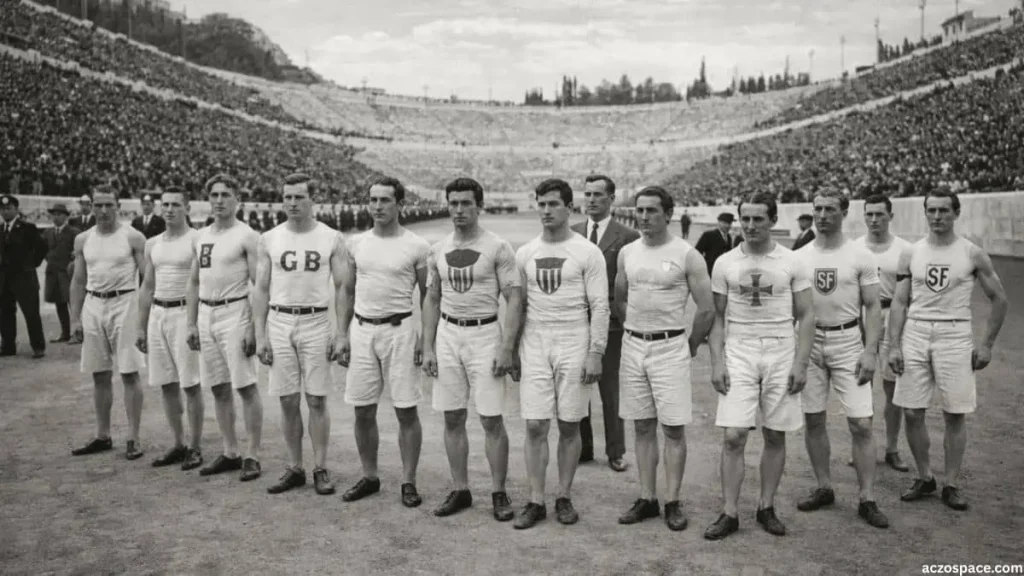
Development of the Modern Olympic Games
Since their revival in 1896, the Olympic Games have grown dramatically in size, popularity, and global influence. Each new edition introduced innovations and expanded participation, reflecting changes in society, culture, and technology.
Several Olympic Games stand out as important milestones:
- 1900 Paris Olympics – The first Games to include female athletes, marking a significant step toward gender inclusion.
- 1936 Berlin Olympics – Though heavily shaped by political propaganda, these Games are remembered for the extraordinary achievements of athletes such as Jesse Owens, who challenged racial barriers through athletic excellence.
- 1960 Rome Olympics – Widely televised for the first time, bringing the Games into homes around the world and greatly expanding their global reach.
The Olympic movement expanded further in 1924, with the introduction of the Winter Olympic Games in Chamonix, France. This allowed athletes to compete in winter sports such as skiing, ice skating, and ice hockey. Later, in 1960, the launch of the Paralympic Games provided a global platform for athletes with disabilities, promoting inclusion and inspiring millions worldwide.
Major Milestones in Olympic Development
- Rapid growth in the number of participating countries and athletes
- Introduction of new sports to reflect modern interests and global trends
- Expanded media coverage, bringing the Games to audiences across the world
Today, the Olympic Games are more than an athletic competition. They are a global cultural phenomenon that blends sport, international diplomacy, and economic impact. As a symbol of global unity, the Olympics continue to inspire athletes and captivate audiences across generations, reinforcing the enduring power of sport to connect humanity.
Olympic Symbols and the Origin of the Olympic Rings
When the modern Olympic Games began in Athens in 1896, there was no official symbol to represent the event. At the time, the primary goal was not branding or global imagery, but the revival of the spirit and ideals of the ancient Olympic festivals.
The now-famous Olympic rings were introduced around 1913 by the founder of the modern Olympic movement, Baron Pierre de Coubertin. The design features five interlocking rings—blue, yellow, black, green, and red—set against a white background. These rings were created to symbolize the unity of the world’s inhabited continents and the coming together of athletes from different nations.
The colors were carefully chosen because every national flag in the world contains at least one of these six colors (including white). This made the symbol truly universal, representing inclusion, global participation, and shared values.
Over time, the Olympic rings became one of the most recognizable symbols in the world. They represent international unity, friendship, and the enduring strength of the human spirit. Today, the emblem appears on flags, medals, merchandise, and official Olympic venues, reinforcing the identity and values of the Olympic Games worldwide.
Legendary Olympic Athletes
Throughout Olympic history, certain athletes have left an unforgettable mark through their extraordinary talent, dedication, and achievements. These individuals not only broke records but also inspired millions across the globe, becoming lasting symbols of perseverance and excellence.
Famous Olympic Champions
- Michael Phelps (United States) – The most decorated Olympian of all time, with 23 gold medals in swimming. His dominance in the pool redefined the sport and set new standards of excellence.
- Usain Bolt (Jamaica) – Known as the fastest man in history, Bolt won multiple gold medals in the 100-meter and 200-meter sprint events. His speed, confidence, and charisma captivated audiences worldwide.
- Larisa Latynina (Soviet Union) – A gymnastics legend who won 18 Olympic medals, showcasing remarkable grace, precision, and consistency during her career.
Other Influential Olympic Athletes
- Nadia Comăneci (Romania) – Made history by earning the first-ever perfect score of 10 in Olympic gymnastics.
- Carl Lewis (United States) – Dominated track and field events across four Olympic Games, winning nine gold medals and cementing his place among the greatest athletes of all time.
- Simone Biles (United States) – A modern gymnastics icon, celebrated for her power, technical skill, and groundbreaking performances that have transformed the sport.
Impact on Society
The achievements of these athletes have had a profound and lasting influence on society:
- Inspired younger generations to participate in sports and physical activity
- Strengthened national pride and earned international recognition
- Encouraged the growth of sports programs and youth training worldwide
Above all, their stories demonstrate that dedication, discipline, and determination can lead to extraordinary success. These athletes serve as powerful role models and embody the true spirit of the Olympic Games.
Olympic Records and Historic Achievements
The Olympic Games are renowned for producing some of the most remarkable records and unforgettable achievements in the history of human performance. They showcase how far athletes can push the limits of speed, strength, endurance, and skill on the world’s greatest sporting stage.
From explosive sprint events and record-breaking swimming performances to breathtaking gymnastics routines and dominant team victories, Olympic records capture the imagination of both athletes and fans. Each new milestone reflects years of training, innovation in sports science, and an unrelenting drive for excellence.
These achievements are more than numbers on a scoreboard. They represent moments in history when human potential was redefined, inspiring future generations to aim higher. As technology, training methods, and global participation continue to evolve, the Olympic Games remain a living record of humanity’s ongoing pursuit of greatness.
Individual Olympic Records
| Athlete | Country | Sport | Year(s) | Record / Achievement |
| Usain Bolt | Jamaica | 100m Sprint | 2009 | World record: 9.58 seconds |
| Usain Bolt | Jamaica | 200m Sprint | 2009 | World record: 19.19 seconds |
| Michael Phelps | USA | Swimming (Various) | 2004–2016 | 23 Olympic gold medals, 3 silver, 2 bronze; multiple world records |
| Paavo Nurmi | Finland | Long-distance Running | 1920s | 9 Olympic gold medals, 3 silver |
| Nadia Comăneci | Romania | Gymnastics | 1976 | First perfect 10 in Olympic gymnastics history; 7 medals total |
| Larisa Latynina | USSR | Gymnastics | 1956–1964 | 18 Olympic medals (9 gold, 5 silver, 4 bronze) |
| Carl Lewis | USA | Track & Field | 1980–1996 | 9 Olympic gold medals, 1 silver |
| Simone Biles | USA | Gymnastics | 2016, 2020 | 7 Olympic medals (4 gold, 1 silver, 2 bronze); innovated routines |
| Jesse Owens | USA | Track & Field | 1936 | 4 gold medals at Berlin Olympics |
| Mark Spitz | USA | Swimming | 1972 | 7 gold medals in a single Olympic Games |
| Katie Ledecky | USA | Swimming | 2012–2021 | Multiple gold medals in freestyle; set several world records |
| Vladimir Salnikov | USSR | Swimming | 1980 | First to break 15-minute barrier in 1500m freestyle |
| Emil Zátopek | Czechoslovakia | Track & Field | 1948–1952 | Triple gold in 5000m, 10000m, marathon (1952) |
| Al Oerter | USA | Athletics | 1956–1968 | 4 consecutive Olympic golds in discus throw |
Team Sports & Winter Olympics Records
| Team / Athlete | Country | Sport | Year(s) | Record / Achievement |
| USA Men’s Basketball | USA | Basketball | 1936–2020 | Multiple Olympic gold medals; dominant in team competition |
| Soviet Union Hockey Team | USSR | Ice Hockey | 1956–1988 | Won 7 Olympic gold medals; Cold War dominance |
| Canada Women’s Hockey Team | Canada | Ice Hockey | 2002–2018 | Multiple gold medals; undefeated in several Olympic tournaments |
| Russian Men’s Figure Skating | Russia | Figure Skating | 1992–2014 | Dominated pairs skating with consecutive golds |
| Norwegian Cross-Country Ski Team | Norway | Cross-Country Skiing | 1924–2022 | Most Winter Olympic medals by country in skiing events |
| USA Women’s Soccer | USA | Soccer | 1996–2016 | 4 Olympic gold medals; dominant in women’s football |
| Germany Men’s Bobsleigh | Germany | Bobsleigh | 1928–2022 | Multiple gold medals; consistent Winter Olympic success |
| Soviet Union Women’s Gymnastics | USSR | Gymnastics | 1952–1988 | Team dominance across multiple Games |
| Netherlands Speed Skating Team | Netherlands | Speed Skating | 1960–2022 | Multiple gold medals; set world records in skating |
| Australia Men’s Swimming Relay | Australia | Swimming | 1956–2000 | Record-breaking performances in 4x100m and 4x200m freestyle |
| USA Men’s Volleyball | USA | Volleyball | 1984–2008 | Multiple gold medals; strong international record |
| China Women’s Table Tennis | China | Table Tennis | 1988–2020 | Multiple gold medals; unmatched dominance |
| Norway Biathlon Team | Norway | Biathlon | 1960–2022 | Multiple gold medals; top Winter Olympic nation in biathlon |
| Canada Curling Team | Canada | Curling | 1998–2022 | Multiple Olympic medals; consistently top in curling |
| Germany Men’s Handball | Germany | Handball | 1972–2016 | Multiple Olympic medals; strong team legacy |
| Japan Women’s Judo Team | Japan | Judo | 1964–2020 | Multiple gold medals; exceptional performance in judo |
Interesting Facts
Advances in training methods, nutrition, and sports technology have led to the steady improvement of many Olympic records, particularly in athletics. As athletes gain access to better coaching and scientific support, performances once thought unbeatable are gradually surpassed.
Olympic victories often extend far beyond the field of play. They influence culture, shape media narratives, and strengthen national pride. Iconic moments at the Games can define eras and leave lasting impressions on global audiences.
The pursuit of Olympic success also offers a chance to reflect on the true Olympic spirit. It highlights humanity’s relentless drive for progress, innovation, and excellence. Whether achieved by an individual athlete or a team, every victory contributes to the rich and evolving legacy of the Olympic Games.
Cultural and Economic Impact
The Olympic Games affect far more than sport alone. They have a powerful influence on culture, society, and the global economy. Hosting the Games requires major investment in infrastructure, tourism, and cultural promotion, creating both opportunities and challenges for host cities and nations.
Cultural Influence
The Olympics provide host countries with a global platform to showcase their traditions, arts, and cultural heritage. Opening and closing ceremonies, music, and artistic performances highlight cultural diversity and foster mutual understanding.
Athletes often serve as cultural ambassadors, representing their nations on an international stage. Through the Games, values such as unity, perseverance, respect, and fair play are promoted, reinforcing the Olympics as a symbol of global cooperation.
Economic Impact
Host cities typically invest heavily in sports venues, transportation networks, and accommodation. While costly, these projects often result in long-term improvements to urban infrastructure.
Tourism usually increases during the Games, generating income for local businesses such as hotels, restaurants, and retailers. In addition, the Olympics generate billions of dollars globally through broadcasting rights, sponsorship deals, and international partnerships.
Additional Benefits
- Encouraging youth participation in sports and promoting health and fitness
- Strengthening international cooperation and goodwill beyond political differences
- Creating lasting legacy projects, such as sports academies and public facilities, that benefit communities for years
Although the Olympic Games present economic and organizational challenges, their cultural and social benefits are significant. The Olympics unite nations, celebrate human achievement, and leave behind a lasting legacy of inspiration, pride, and progress that continues to resonate across generations.
Challenges and Controversies
Despite their global prestige, the Olympic Games have faced numerous challenges and controversies throughout their history. Political tensions, financial pressures, and ethical dilemmas have at times overshadowed the spirit of sport and competition that the Olympics aim to celebrate.
Political Boycotts
Politics has repeatedly intersected with the Olympic movement, most visibly through boycotts:
- 1980 Moscow Olympics – Led primarily by the United States in protest against the Soviet invasion of Afghanistan, this boycott significantly reduced participation and altered the competitive landscape.
- 1984 Los Angeles Olympics – In response, the Soviet Union and several allied nations boycotted the Games, deepening Cold War divisions.
These events demonstrated how international politics can directly influence global sporting events, even those intended to promote unity and peace.
Doping and Performance-Enhancing Drugs
The use of performance-enhancing drugs has been one of the most persistent controversies in Olympic history. Such practices undermine fair competition and threaten athlete health. To address this issue, organizations such as the World Anti-Doping Agency (WADA) enforce strict testing and regulations to protect the integrity of the Games.
Financial and Environmental Challenges
Hosting the Olympic Games requires massive investment in infrastructure, security, and logistics. While some host cities benefit from long-term development, others are left with heavy debt and underused facilities once the Games conclude.
Environmental concerns have also grown in importance. The construction of venues, transportation systems, and large-scale resource use has raised questions about sustainability and ecological impact, prompting recent Olympic organizers to adopt greener planning strategies.
Other Ongoing Issues
Gender inequality and discrimination have been long-standing challenges within the Olympic movement. However, recent reforms have made significant progress toward greater inclusion and equality. Controversial judging decisions in certain sports have also sparked debate and public criticism.
Despite these challenges, ongoing reforms, improved regulations, and a growing emphasis on sustainability aim to protect the Olympic spirit. The goal remains to ensure fair competition, athlete safety, ethical governance, and long-term benefits for host communities.
The Future of the Olympic Games
To remain relevant in the 21st century, the Olympic Games continue to evolve by embracing modern technology, inclusivity, and sustainability. Future editions aim to preserve the rich traditions of the Games while responding to global challenges and meeting the expectations of a changing audience.
New Sports and Events
The inclusion of sports such as skateboarding, surfing, and sport climbing reflects contemporary interests and lifestyles. These emerging disciplines help attract younger audiences and diversify the Olympic program, ensuring the Games remain dynamic and engaging.
Technology and Innovation
Advances in judging systems, digital broadcasting, and virtual engagement are transforming the way fans experience the Olympics. Technologies such as data analytics and wearable devices support fair competition while helping athletes monitor and improve performance. Together, these innovations enhance transparency, accuracy, and viewer involvement.
Gender Equality and Inclusion
Efforts to ensure equal participation for men and women remain a central goal of the Olympic movement. The continued growth of the Paralympic Games highlights the importance of accessibility and inclusion, offering inspiration while promoting equal opportunity for athletes with disabilities.
Sustainability Goals
Host cities are increasingly focused on environmentally responsible planning. This includes the use of renewable energy, eco-friendly infrastructure, and strategies to reduce environmental impact. Legacy planning ensures that venues and facilities continue to benefit local communities long after the Games have ended.
Global Impact
- Expanding participation from developing nations
- Encouraging youth involvement in sports and physical activity
- Promoting international peace, cooperation, and cultural exchange
The future of the Olympic Games lies in balancing tradition with innovation, inspiring millions worldwide, and continuing to celebrate human achievement, unity, and excellence.
Conclusion
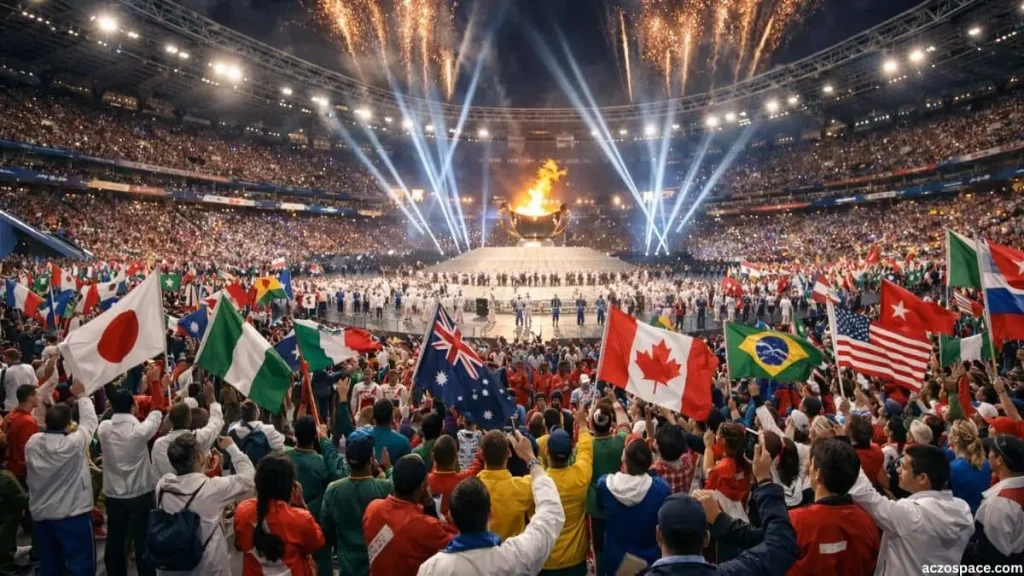
From their origins in ancient Greece to their place on the modern global stage, the Olympic Games possess a rich and enduring history. They celebrate athletic excellence, cultural exchange, and international unity while providing athletes with a platform to pursue greatness and inspire generations.
Despite challenges such as political boycotts and ongoing controversies, the spirit of fair play and perseverance remains at the heart of the Games. By embracing innovation, inclusivity, and sustainability, the modern Olympic movement continues to adapt to the needs of today’s world.
Beyond sport, the Olympics symbolize human dignity, ambition, and cooperation. They unite nations through shared values, showcase diverse cultures, and demonstrate a lasting commitment to excellence. As a result, the Olympic Games remain a powerful international celebration—one that brings people together and highlights the very best of human potential through sport.
FAQs
What do the 5 Olympic rings mean?
The five Olympic rings represent the union of the five inhabited continents—Africa, the Americas, Asia, Europe, and Oceania—and symbolize the coming together of athletes from around the world
What was the first Olympic game in history?
The first recorded Olympic Games took place in 776 BCE in ancient Olympia, Greece.