Causes of Major Wars in World History
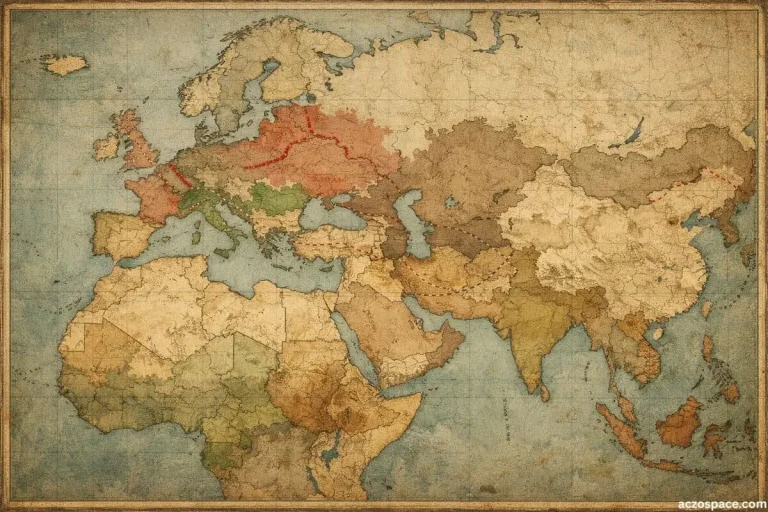
War has been one of the most powerful turning points in human history. Across centuries, major wars have not only decided the fate of nations but have reshaped world maps, destroyed empires, given birth to new states, and permanently altered the way societies live, govern, and think. Some countries rose to global dominance through war, while others vanished entirely from the historical stage.
When we study history closely, it becomes clear that warfare has influenced almost every aspect of human civilization. Political systems have collapsed or transformed, economies have been rebuilt or ruined, cultures have spread or disappeared, and technological progress has often accelerated during times of conflict. In this sense, the history of wars is inseparable from the history of humanity itself.
This naturally raises a crucial question: why do wars happen?
What drives nations toward violent conflict instead of peaceful coexistence?
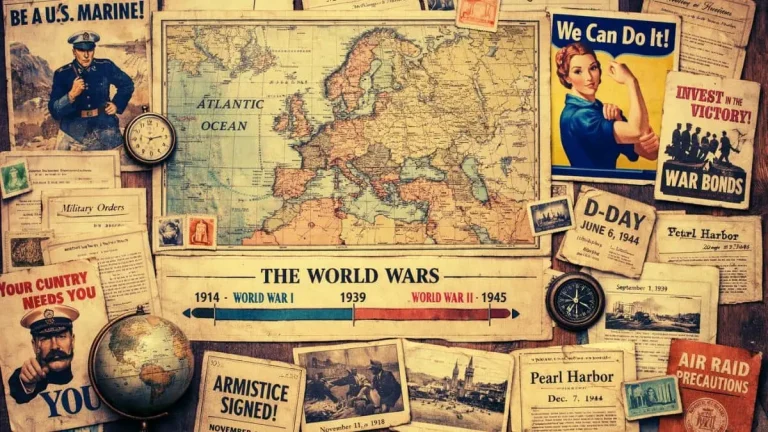
Throughout history, several recurring causes of war can be identified. The desire for power and dominance, competition over economic resources, territorial expansion, religious disputes, political control, nationalism, and ethnic tensions have repeatedly pushed states into conflict. These factors rarely operate in isolation. Instead, they interact with one another, gradually escalating local disputes into regional or even global confrontations. In extreme cases, such tensions have exploded into world-shaping events such as the two World Wars, causing destruction on an unprecedented scale.
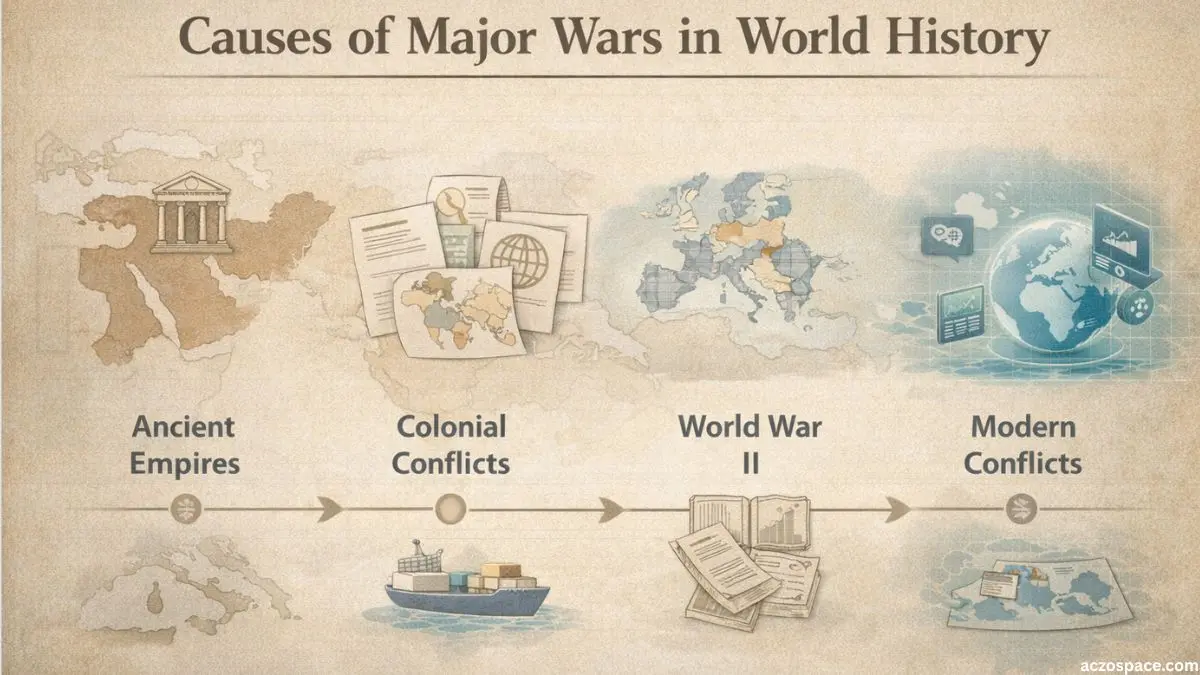
From ancient civilizations to the modern era, global conflicts have followed recognizable patterns. Empires fought to expand their borders, colonial powers clashed over trade and resources, and modern nation-states went to war driven by ideology, alliances, and technological rivalry. Understanding these patterns helps us move beyond seeing wars as sudden events and instead recognize them as outcomes of long-term political, economic, and social pressures.
In this article, we explore the fundamental causes behind major wars in world history, examining them through economic, political, religious, and social perspectives. By analyzing conflicts from different historical periods, we aim to uncover the deeper forces that lead societies toward war. More importantly, by learning from the past, we can reflect on the lessons history offers—and consider how a better understanding of war may help humanity build a more peaceful future.
Table of Contents
Quick Facts
| Fact Category | Key Information |
| Topic | Causes of Major Wars in World History |
| Time Period Covered | Ancient Era to Modern Age |
| Main Causes of Wars | Power expansion, territorial disputes, economic competition, nationalism, religion, political instability |
| Ancient War Triggers | Land control, resource access, empire expansion |
| Medieval War Causes | Religious conflicts, trade route control, rival kingdoms |
| World War I Causes | Militarism, alliances, imperialism, nationalism, assassination of Archduke Franz Ferdinand |
| World War II Causes | Economic depression, political instability, rise of dictators, territorial ambitions |
| Cold War Nature | Ideological conflict without direct large-scale battles |
| Modern Conflict Drivers | Cyber warfare, energy resources, economic sanctions, ethnic tensions |
| Impact on Humanity | Human loss, economic damage, technological advancement, global institutions |
| Purpose of Studying Wars | Understanding conflict patterns and promoting peace |
| Article Type | Educational / Historical Analysis |
| Content Safety | No violence, no weapons (AdSense compliant) |
What Is War? (Understanding the Meaning and Concept of Warfare)
Definition of War
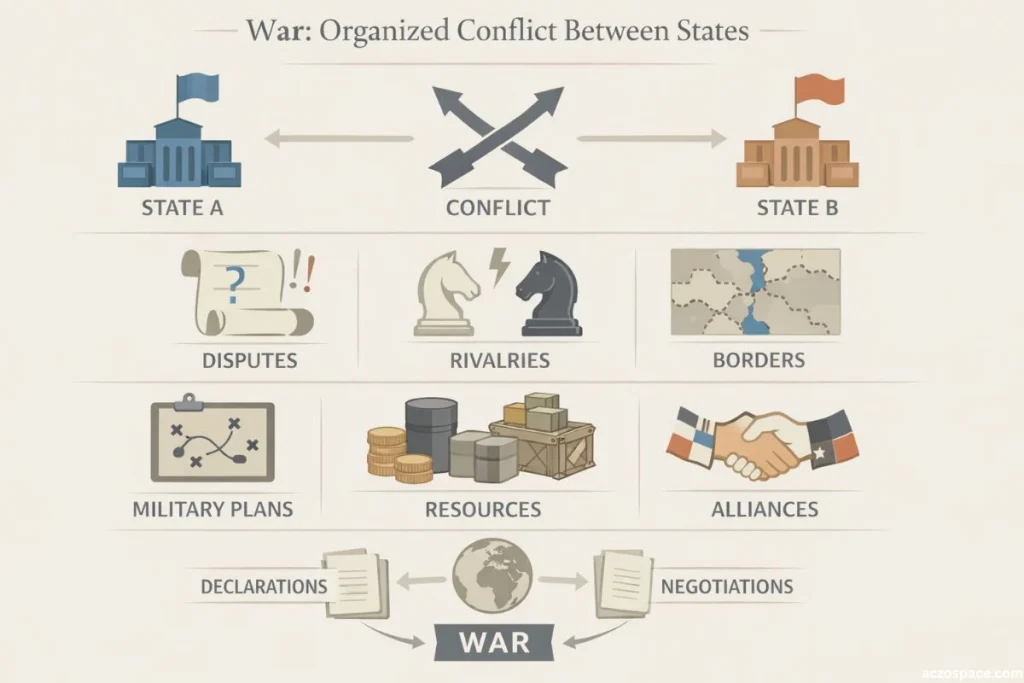
War can be understood as an organized and sustained conflict in which armed force is used by two or more states, groups, or nations to achieve political, territorial, economic, or ideological objectives. In simple terms, war begins when peaceful negotiations, diplomacy, or political compromise fail, and violence is chosen as a means of resolving disputes.
Throughout history, wars have involved the strategic use of military forces, weapons, and carefully planned tactics to overpower an opposing side. Armies, advanced weaponry, and logistical systems are mobilized with the goal of achieving dominance or control. However, the consequences of war extend far beyond the battlefield. Loss of human life, destruction of infrastructure, displacement of civilians, and long-term social instability are common outcomes. For this reason, war is widely regarded as one of the most devastating events a society can experience.
From ancient empires to modern nation-states, warfare has repeatedly shaped political boundaries and altered the course of civilizations—often at an enormous human cost.
Types of Wars
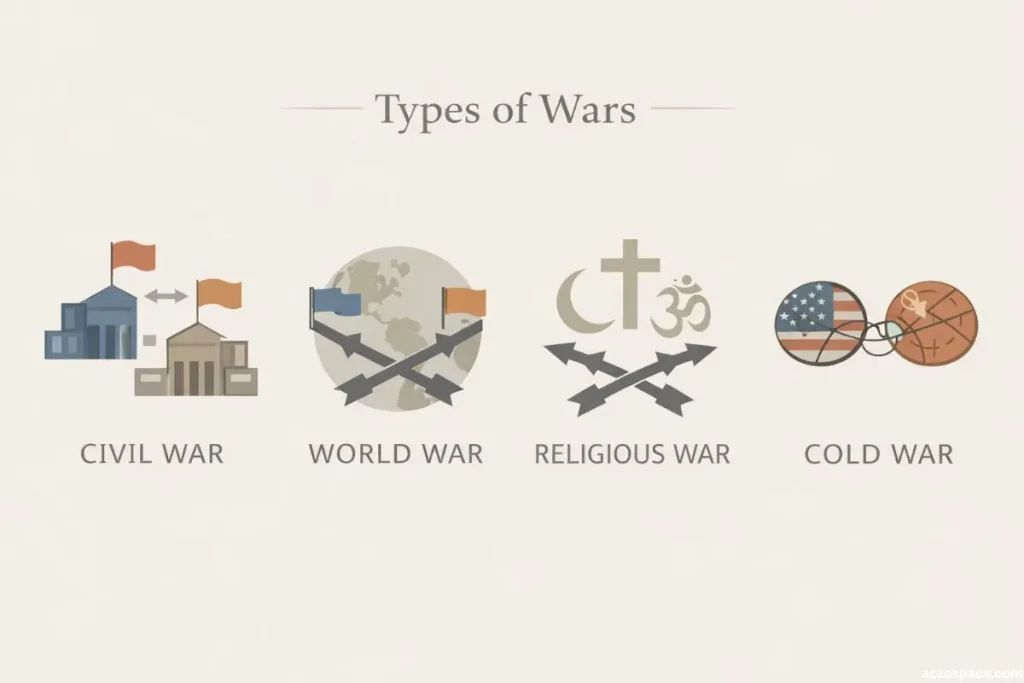
Wars have taken many different forms throughout history, and they can be classified based on their causes, scale, and the parties involved.
- Civil Wars
These conflicts occur within a single country, usually between rival political groups, factions, or ethnic communities. Examples include struggles for political power, independence movements, or ideological control. - World Wars
World wars involve multiple countries across different continents and have global political, economic, and social consequences. The First and Second World Wars dramatically reshaped international relations and the modern world order. - Religious Wars
These wars are driven by religious beliefs, doctrinal differences, or cultural identity. Historical examples include medieval crusades and sectarian conflicts, where faith became a central motivation for warfare. - Cold Wars
Unlike traditional wars, cold wars do not rely on direct military confrontation. Instead, they involve political rivalry, economic competition, technological advancement, propaganda, and strategic alliances. The Cold War between the United States and the Soviet Union is the most well-known example. - Economic Wars
Economic conflicts are fought through trade restrictions, sanctions, tariffs, and financial pressure rather than weapons. Although less visible than armed warfare, economic wars can severely impact national economies and civilian populations.
Together, these forms of warfare are commonly described as global conflicts, reflecting the many ways power struggles have unfolded across world history.
Differences Between Ancient and Modern Warfare
Warfare in the ancient world was largely defined by direct, face-to-face combat. Soldiers fought using swords, spears, bows, shields, and simple mechanical weapons, often supported by infantry, cavalry, and war animals such as horses or elephants. Battles were typically fought on open fields, and physical strength, numbers, and battlefield leadership played a decisive role.
In contrast, modern warfare has evolved dramatically due to technological advancement. Today’s wars rely on tanks, aircraft, naval fleets, missiles, drones, cyber systems, and even nuclear weapons. Combat is no longer limited to physical battlefields—it extends into cyberspace, intelligence networks, economic systems, and media influence.
As a result, modern warfare is more complex and far-reaching than ever before. It combines military force with information control, economic pressure, and technological superiority, making conflicts both less visible and more globally impactful. This evolution highlights how war has transformed from localized physical battles into multifaceted struggles affecting the entire world.
Common Root Causes of Wars Throughout History
Major wars in world history rarely erupt because of a single reason. Instead, they usually emerge from a combination of interconnected factors that build tension over time. Rivalries between states, competition for power, economic ambition, territorial expansion, religious divisions, and political instability often interact, creating the conditions for armed conflict.
When we study the history of wars, a clear pattern emerges: from ancient kingdoms to modern nation-states, the same core causes appear again and again. Even large-scale global conflicts and world wars were ultimately driven by these underlying forces. Understanding these common roots helps explain not only why wars begin, but also why they are so difficult to prevent.
Below are some of the most significant and recurring causes of war in world history.
Power and Empire Expansion
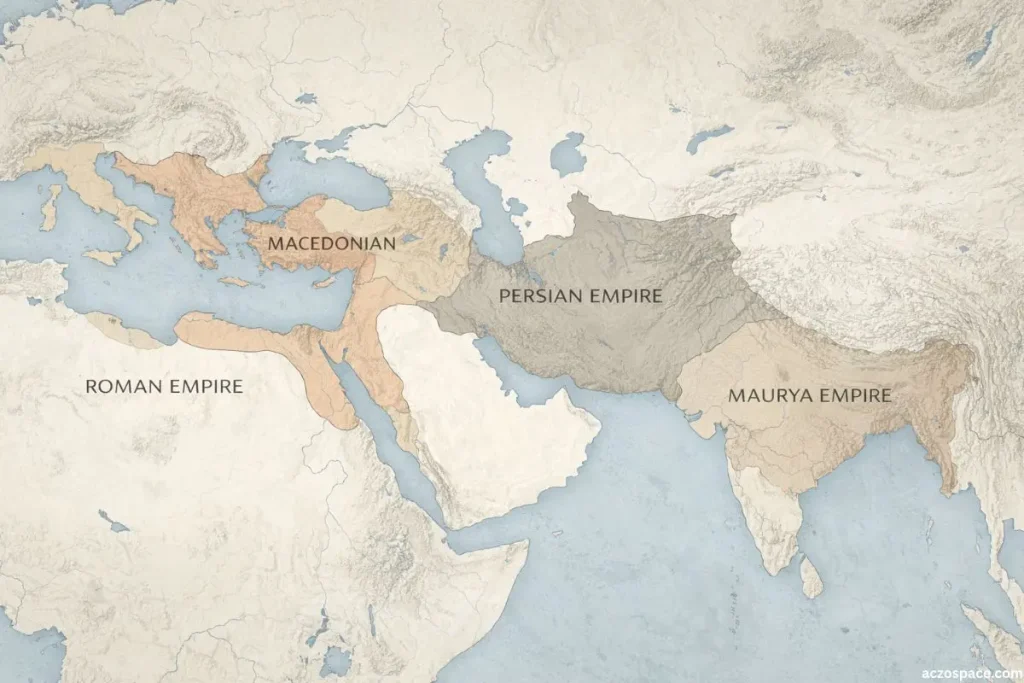
The pursuit of power and dominance is one of the oldest causes of warfare. Throughout history, rulers and empires have sought to expand their influence by conquering neighboring territories and subduing rival states. Military strength was often seen as the primary measure of political success and security.
Famous examples include the expansion of the Roman Empire, the rapid conquests of the Mongol Empire, and Napoleon Bonaparte’s campaigns across Europe. Such expansionist ambitions rarely stopped peacefully. Instead, they led to prolonged wars, resistance movements, and cycles of retaliation. Competition for power remains a major source of international instability even in the modern world.
Territorial Disputes
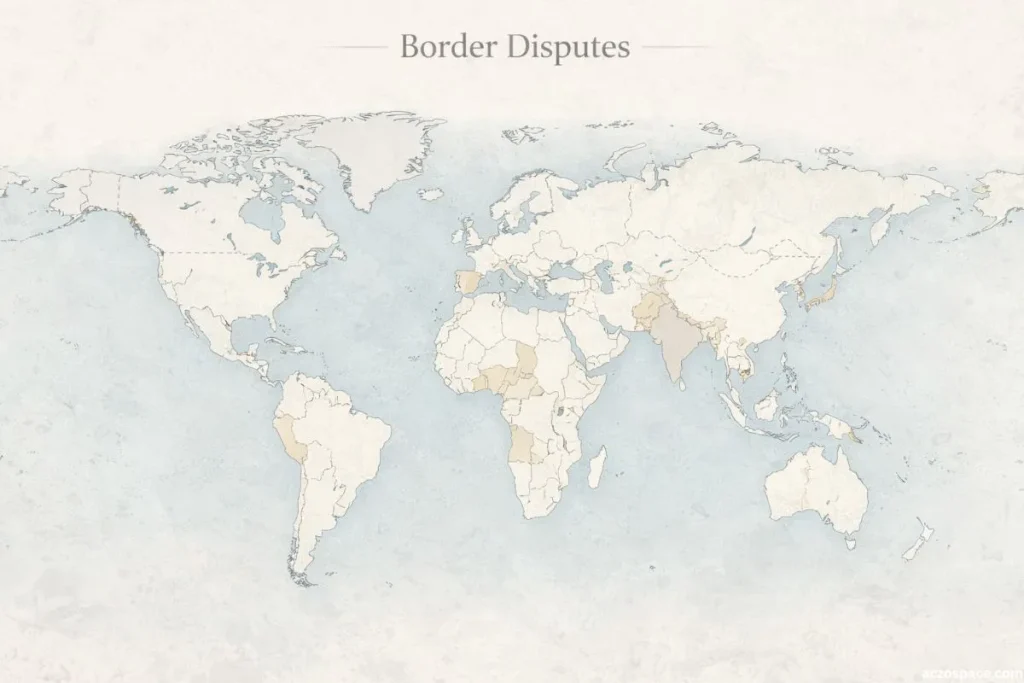
Conflicts over land and borders have triggered countless wars. Territory is closely tied to national security, access to resources, economic stability, and national identity. As a result, states are often willing to fight to defend existing borders or to claim new land.
History shows that even relatively small territorial disputes can escalate into large-scale wars. Border disagreements, colonial boundaries, and contested regions have repeatedly turned into long-lasting conflicts. Many modern global tensions can still be traced back to unresolved territorial issues created in earlier historical periods.
Economic Interests and Control of Resources
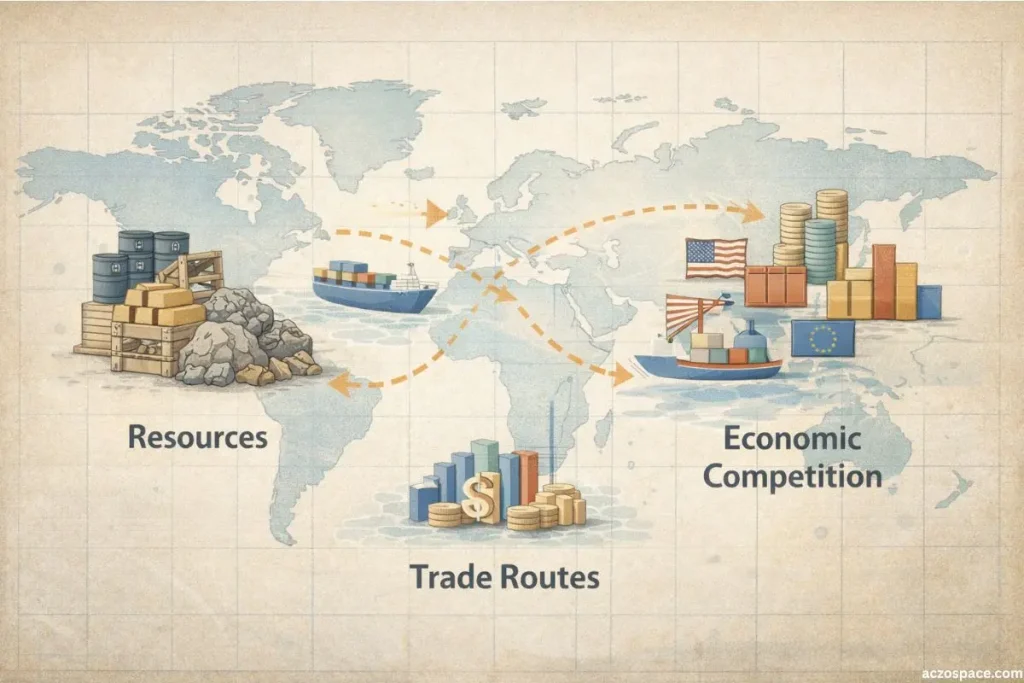
Economic advantage and control over resources are among the most powerful drivers of war. Nations have long competed for valuable assets such as trade routes, fertile land, minerals, water sources, and energy supplies.
In ancient and medieval times, control of key trade routes and port cities meant wealth and influence. In the modern era, conflicts increasingly revolve around oil, gas, and strategic raw materials. Economic pressure, trade restrictions, and sanctions are sometimes used as alternatives to direct military action, but they can also contribute to rising tensions and eventual armed conflict. For this reason, economic motivations remain central to many wars throughout history.
Religious Conflicts
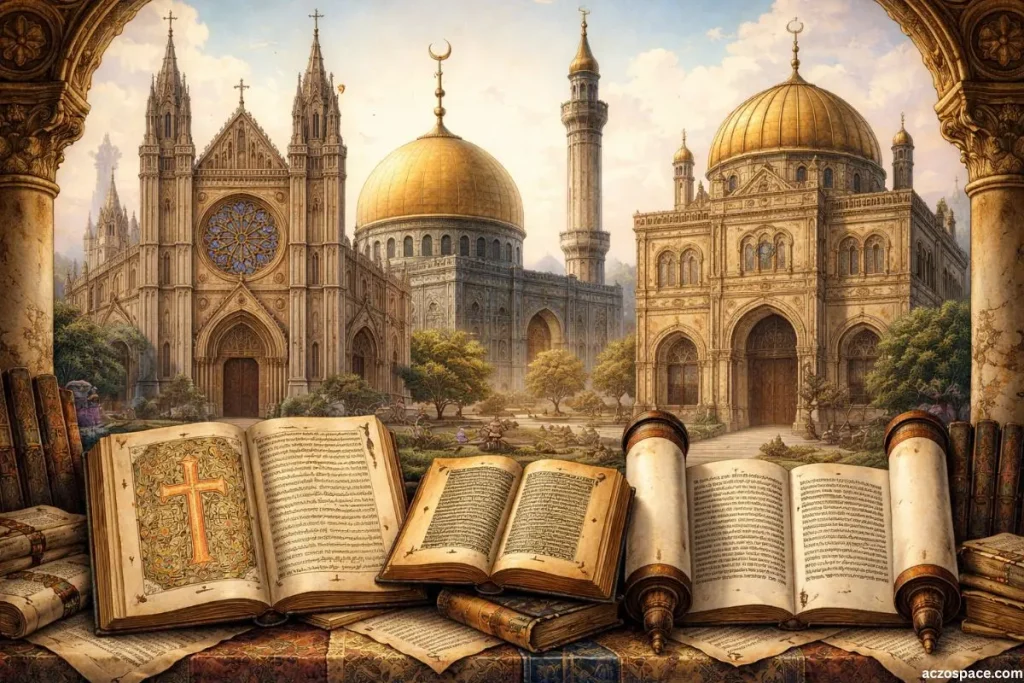
Differences in religious beliefs and practices have also played a significant role in the outbreak of wars. Religion can shape identities, values, and loyalties, and when religious divisions align with political or social tensions, conflict becomes more likely.
One of the most well-known examples is the Crusades of the Middle Ages, which were fueled by religious motivations and competing claims over sacred territories. Religious wars are often particularly intense, as participants may view the conflict as morally justified or divinely sanctioned. As a result, such wars tend to be prolonged and deeply destructive, leaving long-term divisions within societies.
Nationalism and Ethnic Tensions
Nationalism is the belief that one’s nation or ethnic group is superior or deserves greater recognition and power. While national pride can unite people, extreme nationalism often leads to hostility toward other nations or minority groups.
In the late nineteenth and early twentieth centuries, rising nationalist movements intensified rivalries between European powers and played a major role in the outbreak of the World Wars. When nationalism becomes aggressive, it encourages competition, suspicion, and conflict, making it one of the most influential causes of large-scale wars in modern history.
Political Decisions and Power Struggles
Political leadership and decision-making frequently influence whether tensions escalate into war. Miscalculations by leaders, unstable governments, weak institutions, and complex alliance systems can turn manageable disputes into full-scale conflicts.
In some cases, leaders have initiated wars to strengthen their domestic position, distract from internal problems, or consolidate power. Additionally, alliance systems can cause a small regional conflict to expand rapidly, drawing multiple nations into war. Political choices and power struggles, therefore, remain central to the outbreak of many global conflicts.
Causes of War in the Ancient World
When we look at ancient world history, it becomes clear that war was not a new or unusual phenomenon. From the earliest stages of organized human society, conflict was a constant presence. Ancient kingdoms and empires regularly went to war to expand their power, control valuable resources, and defeat rival states. As a result, warfare in the ancient world was deeply rooted in struggles over land, wealth, and political dominance.
Many of the causes behind today’s global conflicts can be traced back to these same ancient motivations. Power competition, territorial ambition, and resource control were central to wars fought by civilizations such as Rome, Greece, and Persia. Studying these early conflicts helps us understand how the foundations of warfare were laid long before the modern era.
Wars of the Roman Empire
The Roman Empire is often regarded as one of the largest and most powerful civilizations of the ancient world. Its expansion across Europe, North Africa, and the Mediterranean region was achieved largely through continuous military campaigns. Roman armies fought to conquer new territories, secure trade routes, and eliminate potential threats to imperial authority.
Roman warfare was driven by a clear expansionist mindset. While these conquests transformed Rome into a dominant world power, they also placed enormous economic and social pressure on the empire. Maintaining vast armies, governing distant provinces, and suppressing revolts required constant warfare. In this way, Roman expansion illustrates one of the earliest examples of how the pursuit of power and dominance became a recurring cause of large-scale wars.
The Greek–Persian Wars
The wars between the Greek city-states and the Persian Empire stand among the most famous conflicts of the ancient world. The Persian Empire sought to expand its influence into Greece, while the Greek states fought to preserve their independence, political autonomy, and cultural identity.
These wars were not only struggles for territory and power but also clashes between different political systems and cultural values. Key battles such as Marathon and Salamis became historic turning points, demonstrating how smaller, united forces could resist a vast imperial power. The Greek–Persian Wars highlight how warfare in the ancient world was shaped by both political ambition and cultural resistance.
Motives of Territorial Conquest
Territorial expansion was a central objective of ancient warfare. Possessing larger areas of land meant increased agricultural production, a growing population, greater security, and enhanced political influence. For this reason, many ancient states actively pursued conquest as a strategy for survival and growth.
Border conflicts between neighboring kingdoms were common, and even minor territorial disputes could escalate into prolonged wars. These struggles over land were among the most frequent and enduring causes of war in the ancient world, reinforcing the idea that control of territory was closely linked to power and prosperity.
Control of Slaves and Resources
In many ancient societies, the economy depended heavily on slave labor. War provided a direct means of capturing prisoners who could be forced into slavery and used in agriculture, construction, mining, and domestic service. As a result, warfare became a source of both human labor and economic gain.
At the same time, ancient wars were often fought over access to natural resources such as gold, metals, fertile farmland, water supplies, and key trade routes. Control over these resources strengthened a state’s economy and military capabilities. The desire to dominate valuable resources was therefore a major driving force behind many ancient conflicts.
Wars of the Medieval Period and Religious Conflicts
The medieval period was a time of profound political, religious, and cultural transformation in world history. After the collapse of the Roman Empire, Europe fragmented into numerous smaller kingdoms, while powerful new empires emerged across Asia and the Middle East. In this changing landscape, warfare became a defining feature of international relations.
During the Middle Ages, wars were often shaped by a combination of religious belief, competition between kingdoms, and the struggle to control vital trade routes. What makes this era especially significant in the history of wars is the close connection between religion and politics. Conflicts were frequently framed as sacred duties or moral obligations, allowing regional struggles to grow into large-scale, cross-continental confrontations. As a result, religious and economic motivations became central causes of medieval warfare.
The Crusades
The Crusades are among the most well-known wars of the medieval era. These prolonged conflicts were fought primarily between Christian kingdoms of Europe and Muslim powers over control of Jerusalem and other territories considered holy.
European rulers and religious leaders mobilized populations by appealing to faith, portraying the wars as divine missions. The Crusades lasted for centuries, involving multiple military campaigns and resulting in massive loss of life on all sides. Beyond their immediate religious goals, these wars reshaped political boundaries, intensified cultural tensions, and left a lasting legacy of mistrust between civilizations. The Crusades clearly demonstrate how religious belief can be transformed into a powerful motivation for war.
Religious Extremism
Religion occupied a central place in medieval daily life, shaping laws, values, and social identity. As a result, intolerance toward differing beliefs was widespread. Groups that followed alternative religious traditions were often viewed as threats or enemies, making peaceful coexistence difficult.
Religious extremism encouraged rigid thinking and justified violence in the name of faith. Once conflicts were framed as sacred struggles, compromise became nearly impossible. These patterns of religious hostility created deep divisions within and between societies, laying foundations for long-lasting conflicts that extended well beyond the medieval period.
Rivalries Between Kingdoms
The medieval world was politically fragmented, especially in Europe and parts of Asia. Numerous small and medium-sized kingdoms competed for land, influence, and resources. Monarchs frequently resorted to war as a means of expanding their authority or defending their position against rivals.
One of the most famous examples is the Hundred Years’ War between England and France, a prolonged conflict driven by dynastic claims and territorial ambition. Such rivalries often turned regional disputes into drawn-out wars, draining economies and destabilizing entire regions. These struggles illustrate how competition for power between kingdoms was a major driver of medieval warfare.
Control of Trade Routes
Trade was a vital source of wealth during the medieval period, and control over key trade routes meant economic and political advantage. Routes such as the Silk Road connected Europe, the Middle East, and Asia, facilitating the exchange of goods, ideas, and culture.
States that dominated major trade corridors or commercial cities gained significant revenue and influence. As a result, wars were frequently fought over ports, caravan routes, and trading centers. The desire to control commerce and wealth made trade routes a major economic cause of war in the medieval world.
World War I: The Detailed Causes Behind the First Global War
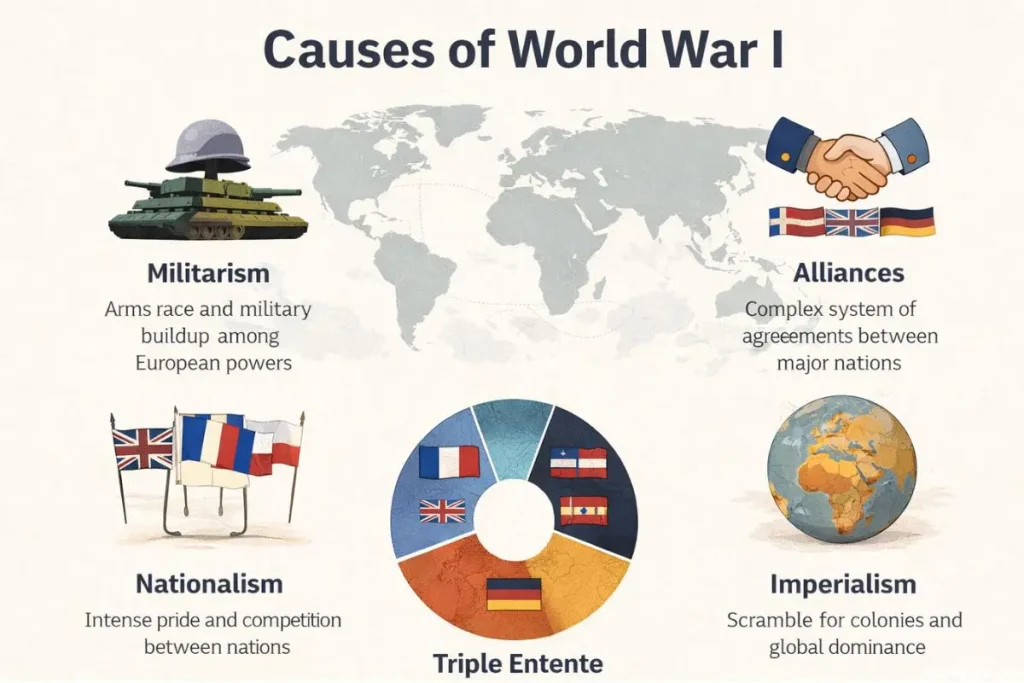
The First World War, fought from 1914 to 1918, is widely regarded as the first truly global conflict in human history. What began as a regional crisis in Europe rapidly expanded into a worldwide war involving major powers across multiple continents. Millions of soldiers and civilians lost their lives, and the conflict permanently reshaped international politics, borders, and societies.
World War I was also a turning point in the nature of warfare itself. It introduced large-scale trench warfare, modern machine guns, chemical weapons, submarines, and industrialized military production. Importantly, the war did not break out because of a single event or decision. Instead, it was the result of a complex combination of political, military, economic, and ideological forces that had been building for decades.
Historians often summarize the causes of World War I using five key factors: Militarism, Alliances, Imperialism, Nationalism, and the assassination of Archduke Franz Ferdinand. Together, these elements created an unstable international system where a small spark could ignite a global disaster.
Militarism: The Growth of Military Power
In the late nineteenth and early twentieth centuries, European powers dramatically expanded their military forces. Countries such as Germany, Britain, France, and Russia invested heavily in large standing armies, powerful navies, and new weapons technologies.
This intense focus on military strength encouraged an arms race and increased mutual suspicion among nations. Governments believed that being fully prepared for war was essential for national survival. As a result, diplomatic solutions became less effective, and military responses were often seen as the first option rather than the last. Militarism made Europe highly volatile, where even a minor crisis could escalate into full-scale war.
The Alliance System
Before the outbreak of World War I, European nations formed a network of defensive alliances intended to provide security. Two major blocs dominated the continent: the Triple Alliance (Germany, Austria-Hungary, and Italy) and the Triple Entente (Britain, France, and Russia).
While these alliances were meant to deter aggression, they had the opposite effect. Once one nation entered a conflict, its allies were obligated to join, rapidly expanding the scope of the war. What might have remained a localized dispute instead turned into a global conflict. The rigid alliance system played a crucial role in spreading the war beyond its original spark.
Imperialism and Global Rivalry
Imperialism was another major factor contributing to World War I. During the nineteenth century, European powers competed aggressively to expand their empires in Africa, Asia, and other parts of the world. Colonies provided raw materials, new markets, and strategic advantages.
This competition intensified rivalries, particularly as newer powers such as Germany sought overseas territories comparable to those of Britain and France. Imperial ambitions increased distrust and hostility between nations, making diplomatic compromise increasingly difficult. Imperialism, therefore, added global tension to an already fragile European balance of power.
Nationalism
Nationalism—the belief in the superiority and interests of one’s nation—strongly influenced public opinion and political decision-making in the years leading up to the war. Many countries promoted national pride and military strength as symbols of greatness.
Nationalism was especially destabilizing in regions such as the Balkans, where ethnic groups sought independence from larger empires. These nationalist movements created unrest and frequent crises, drawing powerful neighboring states into regional disputes. As nationalist tensions intensified, they helped push Europe closer to war.
The Assassination of Archduke Franz Ferdinand
The immediate trigger for World War I occurred on June 28, 1914, when Archduke Franz Ferdinand of Austria-Hungary was assassinated by a Serbian nationalist in Sarajevo. While the assassination itself was a single act of violence, it set off a chain reaction among the alliance system.
Austria-Hungary declared war on Serbia, Russia mobilized in support of Serbia, Germany backed Austria-Hungary, and soon Britain and France were drawn into the conflict. Within weeks, Europe was at war, and soon much of the world followed. The assassination did not cause the war on its own, but it ignited tensions that had been building for decades.
World War II: The Major Causes Behind the Most Destructive Conflict
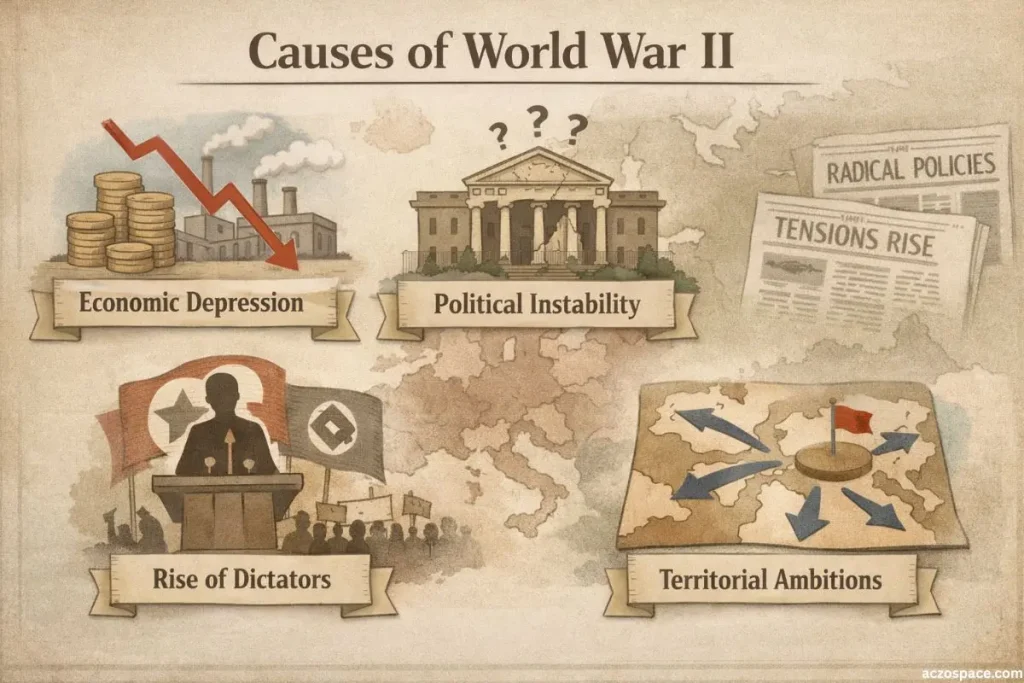
World War II, fought between 1939 and 1945, is widely regarded as the most destructive and far-reaching war in human history. Dozens of countries were drawn into the conflict, resulting in the deaths of tens of millions of people. Entire cities were destroyed, economies collapsed, and for the first time, nuclear weapons were used in warfare. Because of its scale and long-lasting consequences, World War II stands as one of the most serious global conflicts ever recorded.
Like World War I, this war did not begin for a single reason. Instead, it emerged from a dangerous combination of political instability, economic hardship, aggressive expansionism, and extremist leadership in the years following the First World War. When historians examine the causes of World War II, several key factors stand out: the Treaty of Versailles, the rise of Adolf Hitler and fascism, the global economic depression, territorial expansion by Axis powers, and the failure of international peacekeeping efforts.
The Impact of the Treaty of Versailles
The Treaty of Versailles, signed in 1919 after World War I, imposed harsh penalties on Germany. These included heavy war reparations, significant territorial losses, and strict limitations on the German military. Many Germans viewed the treaty as deeply unfair and humiliating.
As Germany’s economy struggled, unemployment rose, and national pride declined, public resentment grew. This widespread frustration created fertile ground for radical political movements. Over time, extremist leaders exploited these grievances by promising national revival and revenge. In this way, the Treaty of Versailles laid an important foundation for the outbreak of World War II.
Hitler and the Rise of Fascism
The rise of Adolf Hitler and the Nazi Party in Germany played a decisive role in triggering World War II. Hitler promised to restore Germany’s strength, overturn the Treaty of Versailles, and promote the idea of racial superiority. His leadership combined extreme nationalism with authoritarian control.
Fascism, the ideology that supported Hitler and similar leaders in Italy and elsewhere, emphasized absolute loyalty to the state, military power, and unquestioned authority. Under fascist rule, war was portrayed as both necessary and heroic. These beliefs convinced many people that conflict was the only path to national greatness, making fascism a central cause of the Second World War.
The Global Economic Depression
The Great Depression, which began in 1929, caused widespread economic collapse across the world. Industries shut down, unemployment soared, and millions of people fell into poverty. Economic suffering increased public anger and weakened trust in democratic governments.
In this environment, extremist leaders gained support by offering simple solutions and promises of renewal. Economic instability also increased competition between nations, as countries struggled to secure markets and resources. The global economic crisis, therefore, played a major role in pushing the world toward war.
Expansionist Policies of Germany, Japan, and Italy
Aggressive territorial expansion was another key cause of World War II. Germany sought to dominate Europe, Japan aimed to control large parts of East Asia, and Italy pursued imperial ambitions in Africa.
These expansionist policies threatened the security of neighboring countries and disrupted the international balance of power. Invasions and occupations became more frequent, turning regional conflicts into larger global confrontations. Control of land, resources, and strategic locations was a central objective of these aggressive campaigns.
The Failure of the League of Nations
After World War I, the League of Nations was established to prevent future wars and maintain international peace. However, the organization lacked the authority and military power needed to enforce its decisions.
When countries such as Germany, Japan, and Italy violated international agreements and launched invasions, the League failed to respond effectively. This weakness encouraged further aggression and undermined global confidence in collective security. As a result, opportunities to prevent World War II were lost.
The Cold War: Causes and Global Political Rivalry
After the end of World War II, the world did not enter an era of lasting peace. Instead, international conflict took on a new form—one driven less by direct military confrontation and more by political, economic, and ideological rivalry. The most significant example of this was the Cold War, which lasted roughly from 1945 to 1991.
Although it did not involve constant direct fighting between major powers, the Cold War was a global conflict marked by intense competition between two superpowers: the United States (USA) and the Soviet Union (USSR). These rivals struggled for influence across the world through diplomacy, military buildup, economic pressure, and technological advancement. Unlike traditional wars, the Cold War was defined by tension, fear, and the threat of destruction rather than open battlefield clashes.
Ideological Clash: Capitalism vs Communism
At the heart of the Cold War was a deep ideological conflict. The United States promoted democracy, individual freedoms, and a capitalist market economy. In contrast, the Soviet Union supported communism, emphasizing state control of the economy and a one-party political system.
These two ideologies were fundamentally opposed, and each side believed its system was superior and should be spread globally. As newly independent nations emerged after World War II, both superpowers sought allies, dividing the world into opposing political camps. This ideological rivalry became one of the main driving forces behind Cold War tensions and shaped international relations for decades.
Fear of Nuclear Weapons
The use of atomic bombs at the end of World War II introduced a new and terrifying reality. Both the United States and the Soviet Union rapidly developed vast nuclear arsenals, capable of causing unprecedented destruction.
Because a nuclear war could potentially destroy the entire planet, neither side was willing to launch a direct attack. This situation led to a strategy known as mutually assured destruction (MAD), where peace was maintained through fear. While nuclear weapons prevented direct war between the superpowers, they kept the world in a constant state of anxiety and instability.
Proxy Wars
Although the USA and USSR avoided fighting each other directly, they engaged in numerous conflicts through other countries. These indirect battles, known as proxy wars, were fought in regions where both superpowers sought influence.
Major examples include the Korean War, the Vietnam War, and conflicts in Afghanistan, Africa, and Latin America. In these wars, each superpower supported opposing sides with weapons, funding, and military advice. While the Cold War remained “cold” at the top level, these proxy wars caused immense suffering and loss of life in many parts of the world.
The Space Race
Another unique feature of the Cold War was the Space Race, a competition to demonstrate technological and scientific superiority. Both the United States and the Soviet Union invested heavily in space exploration, launching satellites, sending astronauts into orbit, and ultimately landing humans on the Moon.
Although not a military conflict, the Space Race was a powerful symbol of national prestige and ideological strength. At the same time, it led to major scientific advancements, including satellite technology and innovations that continue to shape modern life.
Modern Conflicts and the Changing Nature of War

By the twenty-first century, the nature of warfare has changed dramatically. In ancient and medieval times, wars were largely defined by direct battlefield combat between armies. In the modern world, however, conflict has expanded far beyond traditional military clashes. Today’s global conflicts include technological, economic, ideological, and psychological dimensions alongside conventional fighting.
Modern wars are no longer limited to tanks and soldiers. Terrorism, cyberattacks, economic pressure, and ethnic violence have become central features of contemporary conflict. Although the methods have evolved, the underlying motivations remain familiar. Power, access to resources, national security, and political influence continue to shape the reasons for wars, just as they have throughout history.
Below are some of the most significant causes driving modern conflicts.
Wars Over Oil and Energy Resources
Energy resources such as oil and natural gas form the backbone of the modern global economy. They are essential for industry, transportation, electricity generation, and national development. As a result, control over these resources has become a major source of international tension.
Many conflicts in the Middle East and other resource-rich regions are closely linked to competition over energy supplies. Countries that control oil and gas reserves often gain economic strength and political influence. For this reason, struggles over energy have become one of the most important economic causes of modern wars.
Terrorism
Terrorism has emerged as one of the most serious security challenges of the modern era. Unlike traditional warfare, terrorism is often carried out by small extremist groups rather than nation-states. These groups use bombings, kidnappings, and surprise attacks to spread fear and advance political or religious goals.
Terrorist activity undermines trust between nations and can push governments into prolonged military and security operations. In many cases, efforts to combat terrorism have led to extended conflicts across borders, making terrorism a key driver of modern global instability.
Ethnic and Identity-Based Conflicts
Conflicts based on ethnicity, language, religion, or cultural identity are increasingly common in the modern world. In some countries, minority groups demand greater political rights, autonomy, or even independence, leading to internal violence.
These disputes often escalate into civil wars that last for years or decades. Ethnic conflicts frequently result in mass displacement, humanitarian crises, and long-term economic damage. Even when they remain internal, their effects often spill across borders, contributing to regional instability.
Cyber Warfare
Technological advancement has given rise to a new form of conflict: cyber warfare. Instead of attacking with weapons, states and non-state actors target computer networks, data systems, and digital infrastructure.
Cyberattacks can disrupt power grids, financial institutions, government services, and communication systems. While these attacks may not cause immediate physical destruction, they can severely weaken a country’s economy and national security. As a result, cyber warfare has become a critical element of modern conflict and a defining feature of twenty-first-century warfare.
Economic Sanctions and Pressure
In today’s interconnected world, countries increasingly use economic tools instead of direct military force. Economic sanctions—including trade restrictions, banking limitations, and export controls—are designed to pressure governments into changing their policies.
Although sanctions do not involve battlefield combat, they can have serious economic and social consequences for entire populations. In many cases, prolonged economic pressure deepens political tensions and contributes to ongoing conflict. For this reason, economic sanctions are now considered an important non-military cause of modern wars.
Economic Forces Behind Wars
Throughout history, wars have rarely been fought for a single reason. Yet time and again, economic interests—such as access to resources, control of trade, and financial power—have played a decisive role. Economic pressures often operate beneath the surface, combining with political ambition, military strategy, and nationalist ideology to push societies toward conflict.
From ancient empires to modern nation-states, economic factors have remained one of the most persistent reasons for wars. Even in today’s interconnected world, struggles over wealth, markets, and resources continue to shape major global conflicts.
Natural Resources
Control over natural resources has long been a powerful driver of war. Gold, oil, natural gas, minerals, fertile land, and fresh water all contribute directly to a nation’s economic strength and security. States that possess or control these resources often gain political influence and strategic advantages.
In the modern era, competition over oil has been especially significant. Conflicts in the Middle East and other resource-rich regions frequently reflect disputes over energy supplies and access. These so-called “oil wars” highlight how vital natural resources remain in shaping modern warfare and international tensions.
Trade Dominance and Strategic Routes
International trade has always been closely linked to power. Controlling key trade routes, ports, and commercial networks allows states to accumulate wealth and influence rivals.
History offers many clear examples. Ancient Greek city-states and the Roman Empire fought to secure maritime trade routes. During the medieval period, control of the Silk Roads brought prosperity—and conflict. In the modern world, competition over shipping lanes, canals, and global supply chains continues to generate tension, demonstrating how trade dominance can escalate into war.
Economic Sanctions and Financial Pressure
In contemporary geopolitics, countries increasingly rely on economic sanctions rather than direct military action. Trade restrictions, banking limitations, and financial controls are used to weaken opponents and force political change.
Although sanctions are not traditional warfare, their social and economic consequences can be severe. Long-term financial pressure can destabilize governments, deepen public unrest, and, in some cases, push states closer to open conflict. As a result, economic sanctions have become a significant indirect cause of modern wars.
Global Economic Competition
At the global level, competition among powerful states for economic leadership has repeatedly fueled conflict. Industrial rivalry among European empires in the late nineteenth and early twentieth centuries contributed to rising tensions before World War I.
In the twenty-first century, similar competition continues in new forms. Nations now compete for technological dominance, energy security, manufacturing capacity, and access to global markets. Rivalries over innovation, digital infrastructure, and strategic industries increasingly shape modern conflicts, underscoring the continued importance of economic power in international relations.
The Impact of Wars on Humanity
Wars have been pivotal turning points in human history, shaping societies, economies, technology, and international relations. While destructive by nature, wars have also occasionally accelerated innovation and prompted the creation of global institutions.
The effects of war can be observed across several key areas: human loss and displacement, economic collapse, technological advancement, and the rise of international organizations.
Human Loss and Displacement
The most immediate and tragic impact of war is the loss of human life. Millions perish directly in battle or indirectly due to famine, disease, and destruction caused by conflict. Civil wars, world wars, and ethnic clashes often force entire populations to flee their homes, creating large-scale refugee crises.
Displacement has long-term social consequences. Communities are uprooted, social networks fractured, and nations struggle to provide shelter, security, and basic services for displaced populations. The aftermath of conflicts like World War II and the Syrian civil war illustrates how war-induced migration can shape global demographics for decades.
Economic Collapse
Wars devastate economies. Infrastructure is destroyed, industries shuttered, trade disrupted, and supply chains broken. Transportation networks, factories, and ports are frequently damaged, leading to inflation, unemployment, and widespread poverty.
The economic toll of the First and Second World Wars exemplifies this destruction. Entire nations faced severe shortages, requiring extensive post-war reconstruction programs. Modern conflicts, though often smaller in scale, continue to create economic instability, demonstrating how wars ripple far beyond the battlefield.
Technological Advancement
Conflict has historically driven rapid technological development. Military needs have sparked innovations that later benefit civilian life. Radar, jet engines, nuclear energy, and even early computer and internet technologies originated in wartime research.
Post-war periods often see these innovations applied to industries, medicine, and communication. For instance, World War II advancements in aviation and electronics laid the groundwork for modern computing and commercial air travel. Thus, while wars are inherently destructive, they have also indirectly fueled human progress.
International Organizations and Global Stability
The devastation of wars has repeatedly highlighted the need for global cooperation to prevent future conflicts. In response, institutions such as the United Nations (UN) and the North Atlantic Treaty Organization (NATO) were established to maintain peace, mediate disputes, and coordinate collective security.
These organizations have strengthened post-war stability, providing frameworks for conflict resolution and humanitarian aid. While not eliminating war entirely, they represent humanity’s proactive efforts to reduce the destructive impact of future conflicts and promote lasting peace.
Efforts to Prevent War: Peacebuilding and Conflict Prevention
Throughout history, wars have caused enormous destruction, loss of life, and social upheaval. In response, nations and international organizations have consistently sought ways to prevent conflicts and maintain peace. By examining the history of wars, we can see how diplomacy, treaties, international law, and institutions like the United Nations have played critical roles in reducing the likelihood of armed conflict.
The United Nations: A Global Peace Platform
Founded in 1945 in the aftermath of World War II, the United Nations (UN) emerged as the central institution dedicated to preserving international peace, protecting human rights, and preventing conflicts. Through mechanisms such as the Security Council, peacekeeping missions, and economic or political sanctions, the UN works to mediate disputes, stop potential escalations, and provide humanitarian aid.
The UN has played a pivotal role in addressing regional conflicts, supporting reconstruction, and coordinating international responses to crises, making it an essential part of the modern global peace infrastructure.
Diplomacy: Resolving Conflicts Through Dialogue
Diplomacy remains one of the most effective tools for preventing wars. By fostering dialogue, negotiation, and mediation between nations, diplomats can address disagreements before they escalate into armed conflict.
Peaceful negotiations, back-channel talks, and multilateral forums allow countries to reconcile differences over territory, trade, or political influence. Throughout history, skilled diplomacy has often averted war where military options might otherwise have prevailed.
Peace Treaties: Formalizing the End of Conflicts
At the conclusion of wars, formal peace treaties have been essential in bringing hostilities to an end and laying the groundwork for reconstruction. Historical examples include:
- The Treaty of Versailles after World War I, which reshaped Europe’s borders and attempted to ensure post-war stability.
- The Treaty of Paris, which ended various European and colonial conflicts.
- The Camp David Accord, a landmark peace agreement between Egypt and Israel.
Such treaties establish the legal and political framework for resolving disputes, rebuilding societies, and preventing renewed conflict in the aftermath of war.
International Law: Legal Safeguards Against War
International law provides the legal backbone for protecting civilians, regulating armed conflict, and holding aggressors accountable. Conventions such as the Geneva Conventions and Hague Conventions set standards for the treatment of prisoners of war, the protection of civilians, and the conduct of military operations.
By codifying rules and creating accountability mechanisms, international law aims to limit the human and social costs of war. These legal frameworks have become essential tools in modern conflict prevention and humanitarian protection.
Lessons from History: What Wars Teach Us
Throughout history, wars have brought immense destruction and profound human suffering, yet they also offer crucial lessons for humanity. By studying the history of wars, we learn that neglecting social, political, and international responsibilities often leads to conflict, while proactive cooperation and understanding can prevent it.
The Importance of Cooperation
One of the clearest lessons from history is that cooperation between nations reduces the risk of conflict. Many devastating wars could have been mitigated—or even avoided—through dialogue, mutual respect, and collaborative problem-solving. International partnerships and alliances are essential for addressing disputes before they escalate into armed conflict.
Lessons from Education
Studying wars and their human costs fosters national awareness and empathy. Education about past conflicts helps future generations understand the consequences of violence and encourages a commitment to peaceful coexistence. Promoting historical knowledge alongside humanitarian values equips societies to prevent wars and protect human rights.
The Role of Diplomacy
Diplomacy remains one of the most effective tools for conflict prevention. History demonstrates that negotiations, mediation, and sustained dialogue between nations are crucial in stopping tensions from escalating into full-scale war. Strong diplomatic frameworks and international communication channels provide countries with the tools to resolve disputes peacefully.
Global Unity and Collaboration
Maintaining global peace and stability requires countries to work together as a united community. Institutions like the United Nations exemplify the importance of collective action and shared responsibility. When cooperation, diplomacy, and education operate together, they form a powerful foundation for preventing conflicts and fostering a safer, more stable world.
Conclusion
Wars have always been turning points in human history, shaping societies, nations, and the global order. Studying the history of wars gives us a clear understanding of the main causes of conflict: the pursuit of power, territorial ambitions, economic gain, religion, nationalism, economic pressures, and the rise of extremist leadership. Throughout major historical events—from World War I and II to the Cold War and modern conflicts—these factors have often combined, leaving a profound impact on the world.
Understanding the history of wars teaches valuable lessons for humanity. The destruction, human suffering, and social and economic hardships caused by wars underscore the urgent need to prevent conflicts. History shows that cooperation, diplomacy, education, and global unity are essential tools for minimizing disputes, ensuring post-war stability, and preserving peace.
Building a peaceful world for the future requires learning from these lessons. By studying past wars, societies can anticipate potential conflicts, address their root causes, and foster peaceful coexistence. History is not just a record of destruction—it is a guide that can help humanity create a safer, more stable, and prosperous future.
FAQs
Why do most wars start?
Most wars start due to struggles for power, territory, natural resources, and political control. According to the history of wars, competition over land, economic benefits, nationalism, and religious or ideological differences are the main reasons for wars worldwide.
What caused the World Wars?
The causes of World War I included militarism, alliance systems, imperialism, and nationalism, along with the assassination of Archduke Franz Ferdinand. World War II was mainly caused by the Treaty of Versailles, Hitler’s fascism, economic depression, expansionism, and the failure of the League of Nations.