05 Major Revolutions in History That Changed the World
Throughout time, major revolutions in history have reshaped nations, challenged powerful systems, and transformed the way societies function. From overthrowing monarchies to ending slavery and establishing democratic governments, these pivotal moments didn’t just change one country; they influenced the entire world.
Revolutions often arise when people demand change, whether due to inequality, oppression, or the spread of new ideas. The outcomes have led to the creation of modern political systems, the expansion of human rights, and shifts in global power that still affect international relations today.
Table of Contents
In this article, we’ll explore some of the most major revolutions in history, uncover their key causes and events, and understand their lasting impact on the world we live in today.
What Are Major Revolutions in History?
Major revolutions in history are powerful events where people come together to create significant change in their society. These changes often happen quickly and can completely transform governments, economies, and social structures. In simple terms, a revolution is when a large group of people decides that the current system is no longer fair or effective and takes action to replace it.
Political, Social, and Economic Revolutions
Revolutions can take different forms depending on what people want to change:
- Political revolutions focus on changing governments or leadership. For example, people may overthrow a monarchy and replace it with a democracy.
- Social revolutions aim to change how society is structured, including class systems, rights, and cultural norms. These revolutions often fight for equality and justice.
- Economic revolutions involve major changes in how wealth is created and distributed, such as shifts from feudal systems to capitalism or socialism.
Many of the major revolutions in history combine all three types, leading to deep and lasting transformation.
Why Do Revolutions Happen?
Revolutions don’t happen randomly; they usually build up over time due to growing dissatisfaction. Some common causes include:
- Oppression: When people are treated unfairly or denied basic rights
- Inequality: Large gaps between rich and poor or powerful and powerless
- New ideas: Philosophies like freedom, equality, and democracy inspire change
- Weak leadership: Governments that fail to meet the needs of their people
When these issues reach a breaking point, people are more likely to rise up and demand change.
Why Studying Revolutions Matters Today
Understanding major revolutions in history helps us make sense of the modern world. Many of today’s political systems, laws, and rights were shaped by past revolutions.
By studying them, we can:
- Better understand current global conflicts
- Recognize patterns of change in society
- Appreciate the importance of freedom and human rights
In short, revolutions are not just events from the past; they continue to influence our lives today.
Top Major Revolutions in History That Changed the World
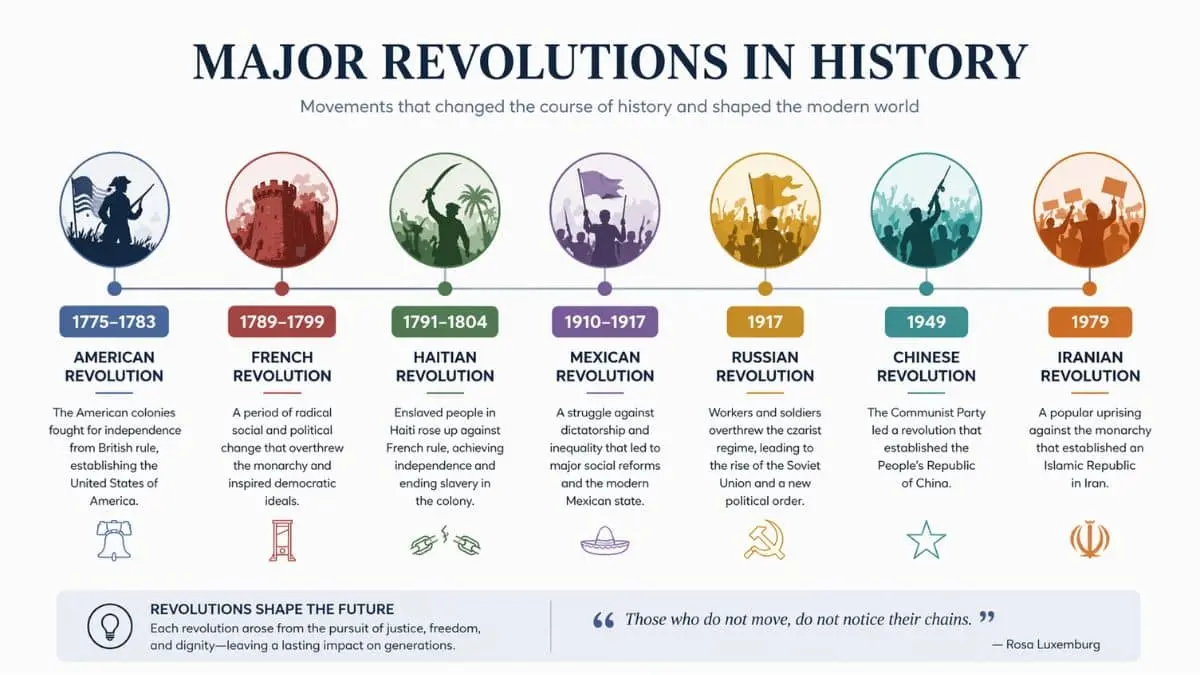
The American Revolution (1775-1783)

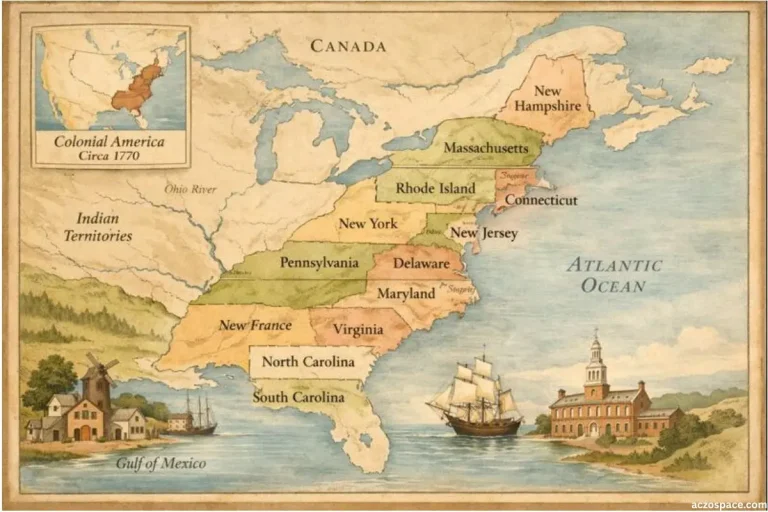
The American Revolution was one of the most influential major revolutions in history, marking the birth of the United States.
- Causes: Growing anger over British taxes and lack of colonial representation (“taxation without representation”)
- Key Outcome: Independence from Britain and the creation of a new nation
- Impact: Inspired democratic movements worldwide and introduced ideas of liberty, rights, and self-governance
The French Revolution (1789-1799)
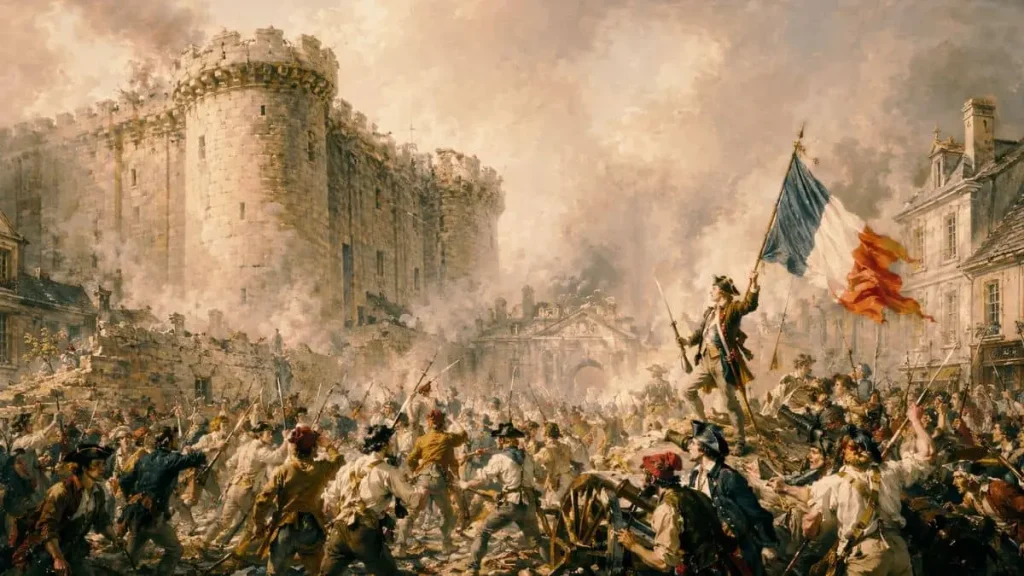
The French Revolution reshaped France and had a massive global influence on politics and society.
- Causes: Extreme inequality, heavy taxation, and a national financial crisis
- Key Events: The storming of the Bastille, rise of radical groups, execution of King Louis XVI
- Impact: Spread ideas of equality, citizenship, and modern political ideologies like liberalism and nationalism
The Russian Revolution (1917)
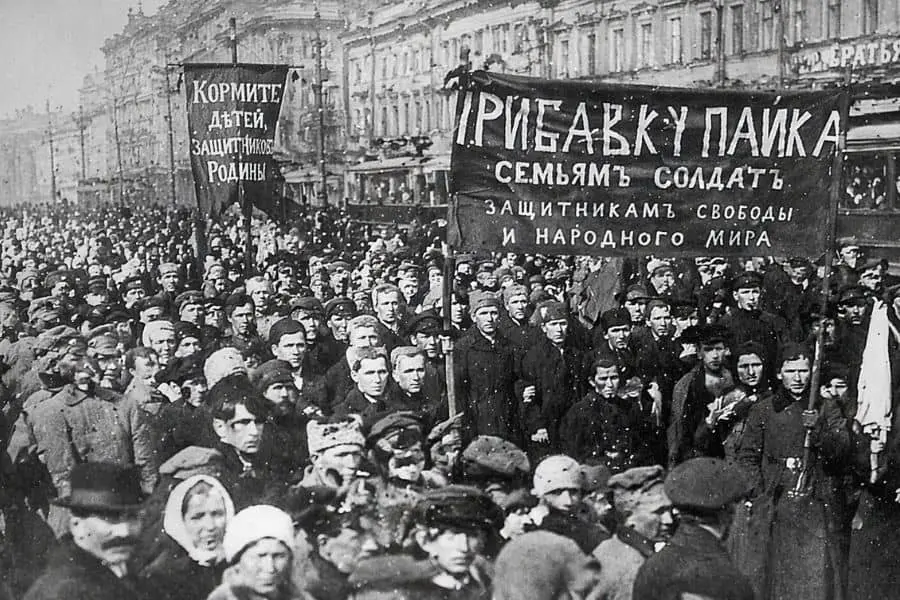
The Russian Revolution led to one of the biggest political transformations of the 20th century.
- Causes: Widespread poverty, harsh autocratic rule, and the impact of World War I
- Key Event: The Bolshevik takeover led by Vladimir Lenin
- Outcome: Creation of the Soviet Union, the world’s first communist state
- Impact: Influenced global politics and sparked the spread of communism
The Chinese Revolution (1949)
The Chinese Revolution marked the end of a long civil war and the rise of a new political system.
- Cause: Ongoing conflict between Communist and Nationalist forces
- Key Figure: Mao Zedong led the Communist Party to victory
- Outcome: Establishment of the People’s Republic of China
- Impact: Shifted global power dynamics and shaped modern China’s political system
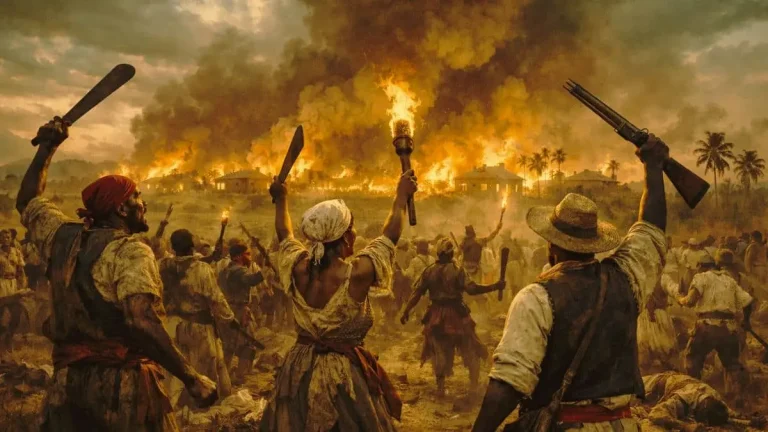
The Haitian Revolution (1791-1804)
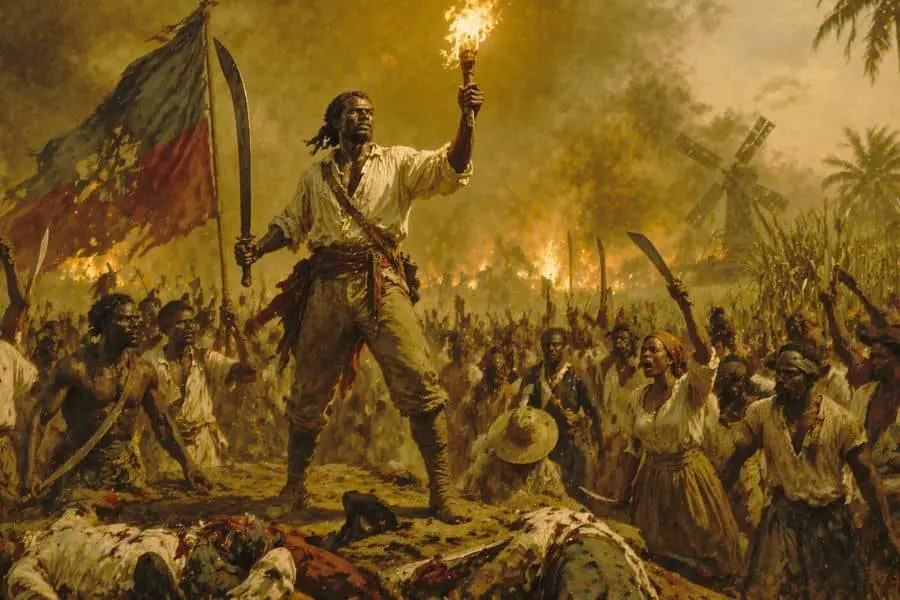
The Haitian Revolution stands out as one of the most unique and powerful major revolutions in history.
- Cause: Enslaved people revolted against brutal colonial rule
- Key Outcome: Independence from France and the creation of the first Black republic
- Impact: Challenged slavery worldwide and inspired future movements for freedom and equality
These major revolutions in history not only transformed their own nations but also reshaped global ideas about freedom, power, and human rights.
Key Causes Behind Major Revolutions in History
Understanding the root causes of major revolutions in history helps explain why societies reach a breaking point. While each revolution is unique, many share common triggers that push people toward dramatic change.
Economic Inequality
Economic inequality is one of the most powerful drivers of revolution. When wealth is concentrated among a small elite while the majority struggle to survive, frustration grows. High taxes, rising food prices, and lack of economic opportunity often create conditions where people feel they have nothing to lose by rebelling.
Political Oppression
When governments limit freedom, silence opposition, or deny basic rights, people begin to resist. Absolute monarchies, dictatorships, or corrupt leadership can create widespread dissatisfaction. Over time, this oppression fuels anger and increases the likelihood of revolt.
Enlightenment Ideas
New ideas about freedom, equality, and human rights have sparked many major revolutions in history. Philosophers promoted concepts like democracy and individual liberty, inspiring people to question authority and demand change. These ideas often spread quickly and unite people under a shared vision.
Social Injustice
Unfair treatment based on class, race, or status can lead to deep resentment within a society. When certain groups are denied rights or opportunities, tensions build. Revolutions often emerge as people fight for equality, dignity, and justice.
War and Instability
War can weaken governments, damage economies, and increase public suffering. Soldiers returning from conflict, economic collapse, and political chaos create instability. In such conditions, people are more likely to challenge existing systems and push for a new order.
These key factors often combine, creating the perfect conditions for major revolutions in history to unfold.
Common Patterns in Major Revolutions in History
Even though every revolution is different, many major revolutions in history follow similar patterns. Understanding these patterns makes it easier to see how and why big changes happen in societies.
Rise of New Leaders
Revolutions often bring forward strong, influential leaders who represent the people’s demands. These leaders can be politicians, activists, or even ordinary individuals who step up during crisis. They give direction to the movement and help unite people around a common goal.
Mass Protests and Uprisings
Revolutions usually begin with large groups of people taking to the streets. Protests, strikes, and demonstrations show that dissatisfaction is widespread, not just limited to a few individuals. When more people join in, the pressure on those in power becomes harder to ignore.
Collapse of Old Systems
As the movement grows stronger, the existing system, whether it’s a monarchy, colonial rule, or dictatorship, begins to weaken. Governments may lose control, face internal divisions, or be forced to step down. This marks a major turning point in the revolution.
Long-Term Instability Before Stability
Revolutions don’t usually lead to instant peace or success. After the old system falls, there is often a period of uncertainty, conflict, or rebuilding. New laws, leadership, and systems take time to develop. Eventually, stability returns; but it often comes after years of change.
These patterns show that major revolutions in history are not sudden events, but processes that unfold over time, shaped by people, ideas, and struggles.
Impact of Major Revolutions in History on Modern Society
The influence of major revolutions in history goes far beyond their time. These events have shaped the modern world in ways we still experience today, from how governments operate to the rights individuals enjoy.
Democracy and Human Rights
Many revolutions led to the fall of absolute rule and the rise of democratic systems. Ideas like freedom of speech, voting rights, and equality before the law became more widespread. Today, many countries base their political systems on principles that emerged from past revolutions.
Economic Reforms
Revolutions often bring major changes to economic systems. Feudal structures were replaced by capitalism or socialism, and new policies aimed to reduce inequality. Land reforms, fair taxation, and workers’ rights are just a few outcomes that continue to impact modern economies.
Global Political Shifts
Some major revolutions in history changed the balance of global power. The rise and fall of empires, the creation of new nations, and the spread of ideologies like democracy and communism have reshaped international relations and alliances.
Influence on Future Revolutions
Revolutions often inspire other movements around the world. When people see change happening elsewhere, it encourages them to demand their own rights and reforms. This ripple effect has led to waves of revolutions across different regions and time periods.
Overall, the legacy of major revolutions in history continues to shape modern society, influencing how we live, govern, and think about freedom and justice.
Why Learning About Major Revolutions in History Matters Today
Learning about major historical revolutions isn’t just about the past; it helps us better understand the world we live in today. These events offer valuable lessons that are still relevant in today’s fast-changing global society.
Helps Understand Current Conflicts
Many modern conflicts have roots in past revolutions or similar causes like inequality, political tension, or demands for rights. By studying historical revolutions, it becomes easier to recognize patterns and better understand why certain regions experience unrest or change.
Builds Critical Thinking
Exploring revolutions encourages you to look at events from multiple perspectives. You begin to question decisions, analyze causes and effects, and understand the complexity of social change. This strengthens critical thinking skills that are useful in everyday life.
Shows the Importance of Civic Rights
Revolutions often happen when people are denied basic rights. Learning about them highlights how important freedoms, like voting, free speech, and equality, were earned through struggle. It also reminds us why protecting these rights is essential in modern society.
In short, studying major revolutions in history helps you become more informed, aware, and thoughtful about the world and your role in it.
Conclusion
The story of major revolutions in history is ultimately a story of change, driven by people who challenged injustice, demanded rights, and reshaped the world around them. From the rise of democracy to the fall of empires, these revolutions have played a crucial role in forming the political systems, freedoms, and global structures we experience today.
More importantly, their impact hasn’t faded with time. The ideas, struggles, and outcomes of past revolutions continue to influence modern life, from how governments operate to how individuals view freedom and equality.
As you reflect on these events, it becomes clear that history is not just something that happened; it’s something that still shapes our present and future. Understanding major revolutions in history allows us to better appreciate our rights, recognize patterns of change, and stay informed about the forces shaping today’s world.
Trusted Sources
Using reliable sources to obtain accurate and truthful information is extremely important. All the information published on this website has been prepared in accordance with historical and scientific accuracy, based on recognized books, research articles, and publications from well-known institutions. Our aim is to provide readers with correct, up-to-date, and trustworthy knowledge.
For further reading:
FAQs
What are the three major revolutions?
The three most commonly identified major revolutions in history are the American Revolution (1775-1783), the French Revolution (1789-1799), and the Russian Revolution (1917). These events significantly changed political systems and influenced global history.
What was the impact of the American Revolution?
The American Revolution resulted in the independence of the United States and inspired other nations to adopt democratic governments and fight for self-rule.