Untold Cultural Traditions Stories: Hidden Meanings Behind Everyday Customs
Have you ever wondered why we follow certain traditions without truly knowing where they come from?
From birthday candles to wedding rituals, cultural traditions quietly shape our daily lives. They influence how we celebrate, connect with others, and even how we see ourselves. These customs often feel natural, something we simply inherit and continue without question. But behind many of them lie fascinating histories that most people never hear about.
Table of Contents
This is where Untold Cultural Traditions Stories come into play. These hidden narratives reveal the original meanings, beliefs, and sometimes surprising origins behind the traditions we practice today. Over time, many customs have evolved, adapted, or even lost their original purpose, leaving behind only the surface-level ritual.
In this article, we’ll explore the deeper stories behind familiar traditions, uncover their forgotten meanings, and understand why preserving these cultural insights matters more than ever in today’s fast-changing world.
What Are Untold Cultural Traditions Stories?
Untold Cultural Traditions Stories refer to the hidden meanings, forgotten origins, and lesser-known histories behind the customs and rituals we practice today. While traditions are often passed down through generations, the deeper reasons behind them are not always preserved. Over time, what remains is the action itself, not the story that gave it meaning.
Traditions naturally evolve as societies change. Influences like migration, globalization, religion, and modernization reshape how customs are practiced. In many cases, original purposes such as protection from harm, spiritual beliefs, or social structure fade away or are replaced with new interpretations. What once held deep symbolic or cultural significance may now be seen as simple routine or celebration.
Uncovering these stories is especially important in modern society. In a fast-paced, digital world, people are increasingly disconnected from their roots. Understanding the origins of traditions helps rebuild that connection, offering a stronger sense of identity and belonging. It also encourages cultural appreciation, reduces misunderstandings, and preserves valuable knowledge that might otherwise be lost forever.
Why Cultural Traditions Hold Hidden Histories
Cultural traditions are not random: they are deeply shaped by historical events, belief systems, and even basic survival needs. Many customs began as practical responses to real-life challenges. For example, certain food traditions were created based on available resources, while rituals and superstitions often emerged as ways to explain natural events or protect communities from perceived dangers. Over time, these practices became symbolic, even as their original purposes faded from memory.
One major reason these meanings are lost is the reliance on oral storytelling. For generations, traditions were passed down by word of mouth rather than written records. While this method kept cultures alive, it also allowed details to change or disappear over time. As older generations pass away, valuable knowledge can be lost, creating gaps in understanding. What remains is often a simplified version of a much richer story.
Additionally, large-scale forces like colonization, migration, and modernization have significantly reshaped cultural traditions. When people move or are displaced, they adapt their customs to new environments. Colonization often suppressed or altered indigenous practices, replacing them with new beliefs. In today’s modern world, globalization and technology continue to transform traditions: sometimes blending cultures, other times diluting original meanings.
These layers of change are why many traditions carry hidden histories, stories waiting to be rediscovered and understood.
Fascinating Untold Cultural Traditions Stories Around the World
The Real Story Behind Wedding Rings

The tradition of exchanging wedding rings dates back to ancient civilizations like Egypt and Rome. Early Egyptians believed that a circular ring symbolized eternity: no beginning and no end, representing everlasting love. Rings were often made from braided reeds or leather, showing how simple materials carried deep meaning.
Later, the Romans introduced the idea of wearing the ring on the fourth finger of the left hand, believing it contained the “vena amoris” or “vein of love” that connected directly to the heart.
Today, wedding rings are widely seen as symbols of commitment and partnership. However, the original meanings, eternity, connection, and even ownership in some historical contexts, have evolved into a more modern expression of love and equality.
Why Do We Blow Candles on Birthdays?

Blowing out candles on a birthday cake may seem like a fun tradition, but its origins are rooted in ancient beliefs. In ancient Greece, people offered round cakes with lit candles to honor Artemis, the goddess of the moon. The smoke from the candles was believed to carry prayers and wishes up to the gods.
In other cultures, it was thought that birthdays were moments when individuals were more vulnerable to spirits or bad luck. Lighting candles acted as a form of protection, while making a wish before blowing them out was believed to bring good fortune.
Over time, these spiritual and protective meanings faded. Today, the act has become a joyful ritual, centered on celebration, wishes, and personal milestones rather than ancient fears or religious beliefs.
The Hidden Meaning of New Year Traditions
New Year traditions vary widely across cultures, but many share a common goal: attracting good luck and avoiding misfortune. For example, eating specific foods, making loud noises, or cleaning the home before the new year all have symbolic meanings tied to renewal and protection.
In some cultures, loud celebrations were originally meant to scare away evil spirits, while certain foods symbolized prosperity and abundance. Even countdowns and fireworks have roots in ancient practices designed to mark time and ensure a fresh, safe beginning.
Today, these traditions are often practiced without fully understanding their origins. While they still carry symbolic meaning, they are mostly seen as festive activities rather than rituals rooted in superstition or spiritual belief.
Traditional Clothing and Its Forgotten Significance
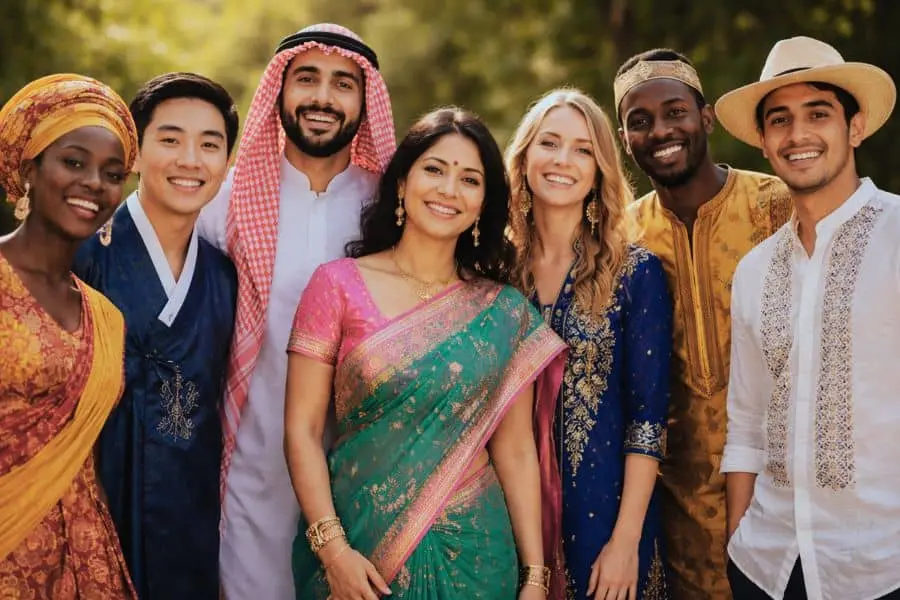
Traditional clothing is more than just fashion: it often reflects a culture’s identity, values, and history. In many societies, garments indicated social status, profession, marital status, or even spiritual beliefs. Colors, patterns, and materials were carefully chosen to convey meaning or offer protection.
For example, certain fabrics or accessories were believed to ward off negative energy, while others symbolized wealth or community belonging. Clothing could also reflect environmental adaptation, with designs suited to climate and available resources.
Over time, globalization and modern fashion trends have transformed how traditional clothing is worn. While many styles are still celebrated during festivals or ceremonies, their deeper meanings are often overlooked. What was once a powerful cultural symbol has, in some cases, become more about appearance than identity.
How Untold Cultural Traditions Stories Shape Modern Society
Untold Cultural Traditions Stories continue to play a powerful role in shaping modern life, even when we are not fully aware of their origins. These hidden narratives influence how people see themselves, interact with others, and understand the world around them.
Cultural traditions strongly impact identity, values, and social norms. They help individuals feel connected to their roots while guiding behavior within communities. From how people celebrate milestones to how they show respect or express emotions, traditions quietly shape everyday actions and beliefs.
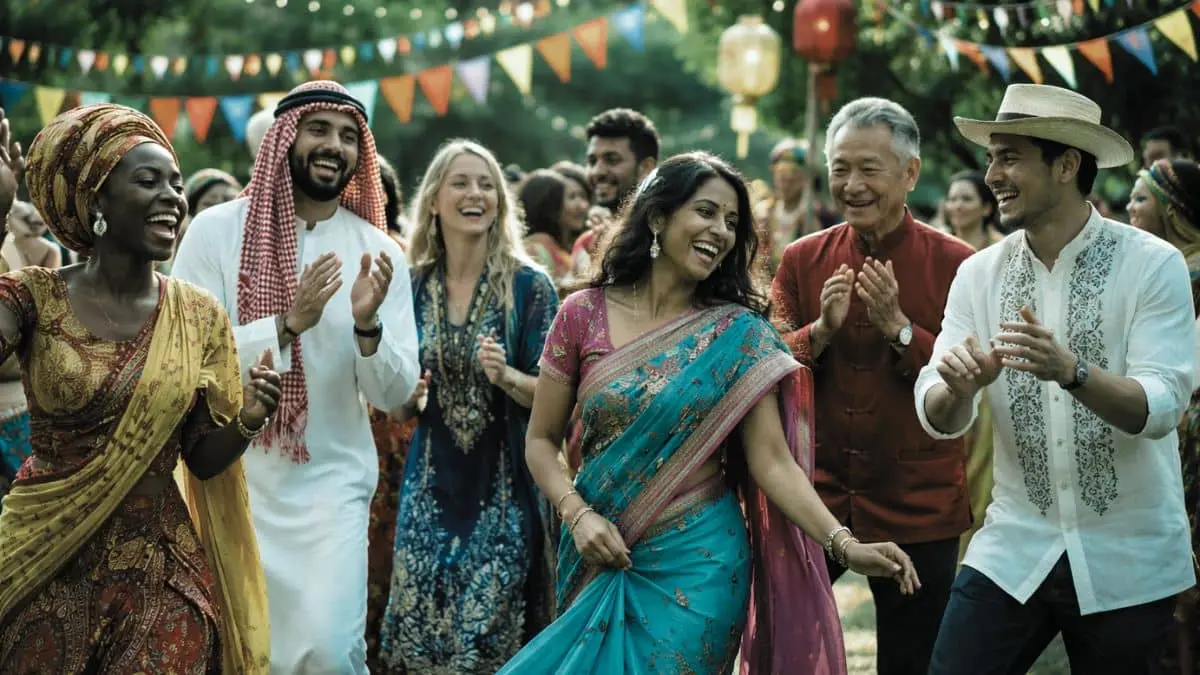
There is also a meaningful connection between tradition and mental well-being. Participating in cultural rituals, whether it’s family gatherings, festivals, or shared customs, can provide a sense of stability, comfort, and belonging. In a fast-changing world, these traditions act as emotional anchors, helping people feel grounded and connected.
Additionally, traditions play a key role in community bonding. Shared practices bring people together, creating a sense of unity and mutual understanding. Whether through cultural festivals, religious ceremonies, or family traditions, these moments strengthen relationships and foster a collective identity.
The Impact of Losing Cultural Stories
When the deeper meanings behind traditions are lost, it can lead to a cultural disconnect, especially among younger generations. Without understanding the “why” behind customs, traditions may feel irrelevant or outdated, leading to a gradual decline in their practice.
This loss also affects identity and heritage awareness. Cultural stories carry the values, struggles, and experiences of previous generations. When they disappear, individuals may feel less connected to their background, resulting in a weakened sense of identity.
The disappearance of these stories highlights the importance of preservation and education. Without active efforts to protect and share cultural knowledge, valuable history and meaning can be lost forever. Preserving these traditions is not just about maintaining rituals: it’s about safeguarding the stories that define who we are.
How to Rediscover and Preserve Cultural Traditions
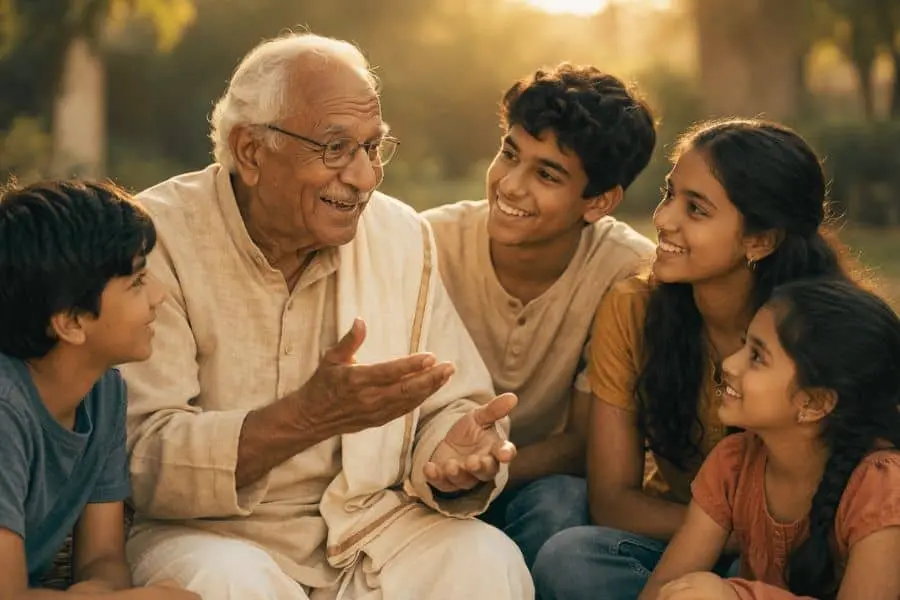
Rediscovering Untold Cultural Traditions Stories starts with curiosity and intention. One of the most effective ways is by researching family and local traditions. Exploring cultural history through books, community events, or personal reflection can reveal fascinating insights into long-held practices.
Another powerful approach is to connect with older generations. Interviewing elders and listening to their experiences can uncover stories that were never written down. Documenting these conversations through writing, audio, or video helps preserve them for future generations.
In today’s digital age, technology offers new ways to protect cultural heritage. Social media, blogs, and online archives make it easier than ever to share and store traditions. Creating digital records ensures that these stories remain accessible and relevant.
Finally, supporting cultural education and awareness is essential. Schools, communities, and individuals all play a role in keeping traditions alive. By promoting cultural understanding and encouraging open conversations, we can ensure that these meaningful stories continue to be passed down and appreciated.
Conclusion
Untold Cultural Traditions Stories reveal that the customs we follow every day are far more than simple habits: they are reflections of history, belief, and human experience. From wedding rings to birthday candles, each tradition carries layers of meaning that have evolved, often leaving behind fascinating stories that many people never discover.
Understanding these hidden origins helps us reconnect with our cultural identity, appreciate diversity, and see traditions in a new light. More importantly, it reminds us that preserving these stories is essential. Without conscious effort, valuable cultural knowledge can fade, taking with it a deeper understanding of who we are and where we come from.
FAQs
What are Untold Cultural Traditions Stories?
Untold Cultural Traditions Stories are the hidden origins, meanings, and histories behind common customs and rituals. These stories explain why traditions began and how their meanings have changed over time.
Why are cultural traditions important?
Cultural traditions help shape identity, preserve heritage, and strengthen community bonds. They provide a sense of belonging and connect people to their history and shared values.