Great Wall of China History and Engineering: Secrets, Myths, and Genius Design Revealed
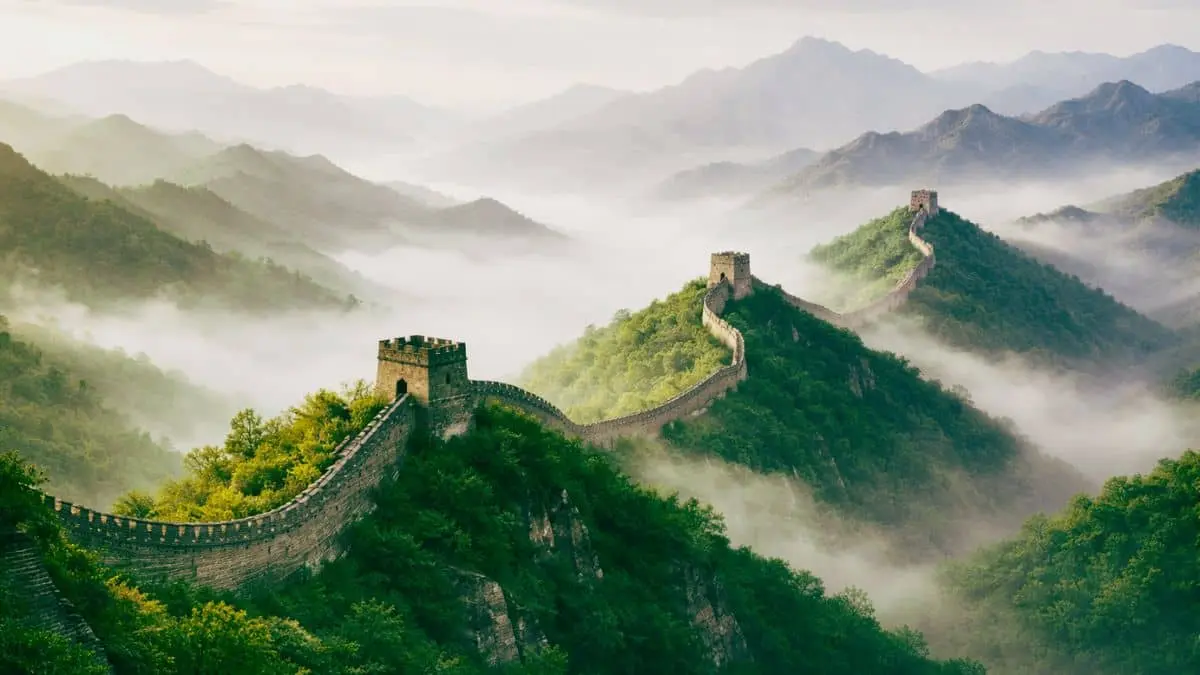
The Great Wall of China stands as one of the most awe-inspiring landmarks in human history, stretching thousands of miles across rugged mountains, vast deserts, and open plains. More than just a defensive barrier, it is a powerful symbol of resilience, unity, and the enduring spirit of Chinese civilization. Built and rebuilt over centuries by multiple dynasties, the wall reflects not only military strategy but also the cultural values and ambitions of an entire nation.
What makes this monument truly extraordinary is the blend of Great Wall of China history and engineering; It’s a combination of ancient innovation, strategic design, and large-scale construction that continues to fascinate historians and engineers alike. From its early beginnings to its most advanced forms, the wall showcases how geography, materials, and human determination came together to create something truly monumental.
Table of Contents
In this guide, you’ll explore the origins of the wall, uncover its deep cultural significance, and discover the hidden engineering techniques that made it one of the greatest construction achievements of all time.
Great Wall of China History and Engineering: An Overview
The Great Wall of China is not a single structure built at one time, but a vast network of walls and fortifications constructed over more than 2,000 years. Its origins trace back to the Warring States period, when regional kingdoms built defensive barriers to protect their territories. Over time, these separate walls were connected, expanded, and reinforced by successive dynasties, transforming them into one of the most ambitious construction projects in human history.
What sets this monument apart is the seamless blend of Great Wall of China history and engineering. Each phase of its construction reflects the technological capabilities and strategic priorities of its era. From simple earthen embankments to sophisticated brick and stone fortifications with watchtowers and signaling systems, the wall evolved into a highly advanced defensive network designed to withstand both natural challenges and human threats.
When and Why Was the Great Wall Built?
The earliest sections of the wall were built as early as the 7th century BCE by individual Chinese states seeking protection from rival kingdoms and northern nomadic tribes. However, the most significant unification effort began under Qin Shi Huang, the first emperor of a unified China, in the 3rd century BCE. He ordered the connection of existing walls to create a continuous line of defense against invasions, particularly from the Xiongnu tribes in the north.
Centuries later, during the Ming Dynasty (1368–1644), the wall underwent its most extensive reconstruction and strengthening. Facing renewed threats from Mongol forces, the Ming rulers invested heavily in building durable stone and brick walls, adding watchtowers, fortresses, and advanced signaling systems. The primary purpose remained consistent: to defend the empire, control borders, and regulate trade and movement along key routes.
Key Dynasties Behind the Wall’s Development
Several dynasties played crucial roles in shaping the wall, each contributing unique advancements in both design and engineering.
- Qin Dynasty (221–206 BCE): Under Qin Shi Huang, existing walls were linked together using tamped earth construction. This marked the first large-scale effort to unify the defensive system.
- Han Dynasty (206 BCE–220 CE): The wall was extended further west to protect trade routes along the Silk Road. The Han introduced improved construction techniques and expanded the wall’s strategic role beyond defense to include economic protection.
- Ming Dynasty (1368–1644): The most advanced phase of construction. The Ming rebuilt large portions using bricks and stone, significantly enhancing durability. They also introduced complex watchtower systems and fortified passes, making the wall a sophisticated military defense network.
Together, these dynasties transformed the wall from a series of simple barriers into a monumental example of Great Wall of China history and engineering, combining strategic planning with evolving construction technologies.
The Engineering Marvel Behind the Great Wall of China
The Great Wall of China is widely regarded as one of the greatest engineering achievements in human history. Built across some of the most challenging terrains on Earth, it showcases the ingenuity, adaptability, and determination of ancient builders. What makes it truly remarkable is how its design evolved over centuries, combining local materials, innovative construction methods, and strategic planning to create a durable and effective defense system.
Materials Used in Construction
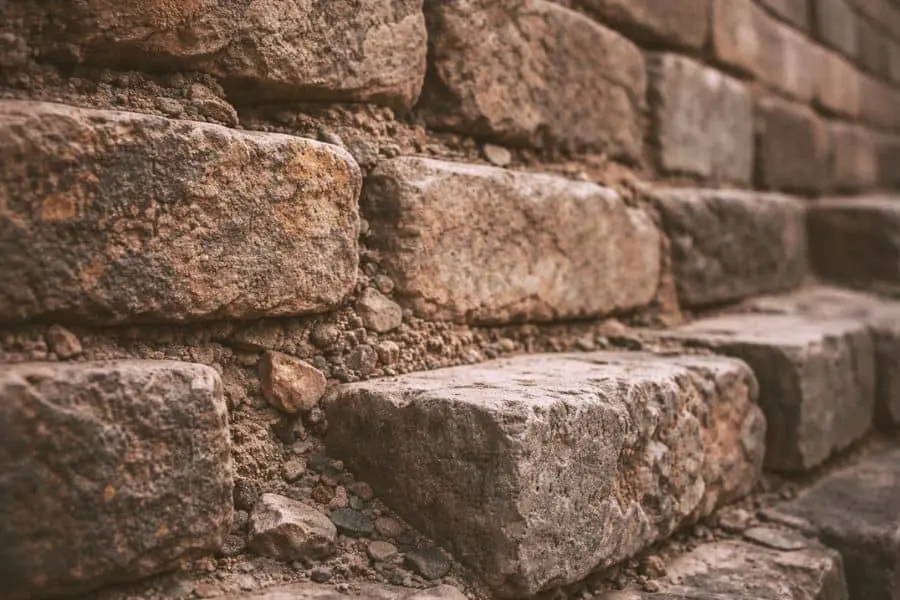
One of the most fascinating aspects of the wall is the variety of materials used, which often depended on the surrounding environment. In the earliest stages, builders primarily used tamped earth, compressing layers of soil and gravel to create solid walls. This method was practical in regions where stone was scarce.
As construction techniques advanced, especially during the Ming Dynasty, more durable materials such as bricks and cut stone became common. These materials provided greater strength and resistance to weathering, allowing many sections of the wall to survive to this day.
In some areas, builders used a unique bonding agent known as sticky rice mortar, a mixture of lime and glutinous rice. This ancient innovation significantly increased the wall’s stability and durability, making it one of the earliest examples of advanced composite materials in construction.
Construction Techniques and Workforce
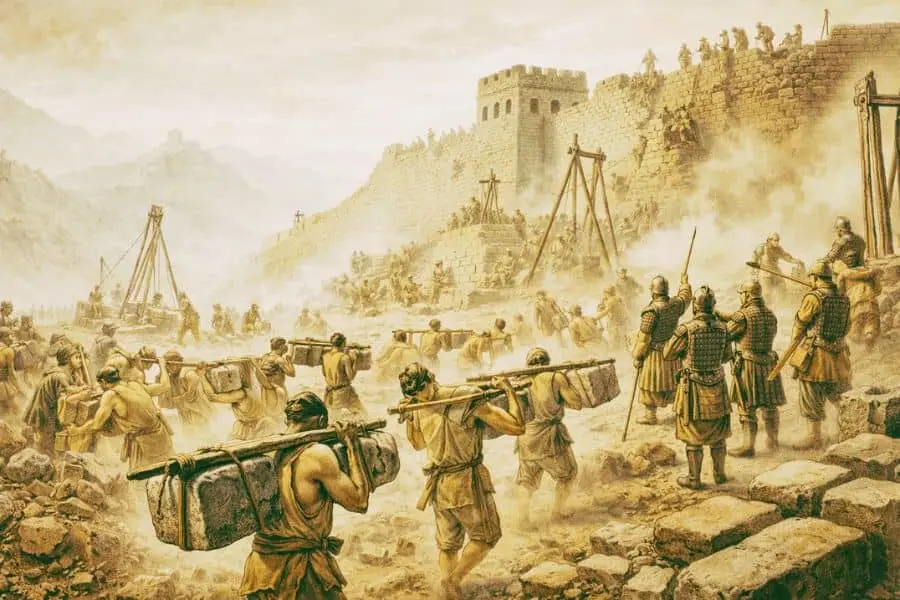
Building the wall was an enormous undertaking that required both innovative engineering and a massive workforce. Ancient builders used simple yet effective tools and techniques, such as layering materials, reinforcing structures with wooden frames, and carefully shaping stones to fit tightly together.
The workforce consisted of soldiers, peasants, and prisoners, many of whom worked under extremely harsh conditions. Transporting heavy materials across mountains and remote regions posed major logistical challenges, often requiring human chains, animal labor, and temporary roads.
Despite these difficulties, the builders managed to construct thousands of kilometers of fortifications, watchtowers, and passes, demonstrating an extraordinary level of coordination and engineering skill long before modern machinery existed.
How Geography Influenced the Design
The wall’s design was heavily shaped by China’s diverse landscape. Instead of following a straight path, it winds strategically across mountains, deserts, and plains, adapting to natural features for maximum defensive advantage.
- In mountainous regions, the wall follows ridgelines, using steep slopes as natural barriers while minimizing construction effort.
- In desert areas, builders relied more on tamped earth and locally available materials due to the lack of stone.
- Across open plains, the wall was often built taller and thicker, as these areas were more vulnerable to invasion.
This integration of natural terrain with human engineering is a key reason why the Great Wall of China history and engineering continues to be admired today. It reflects not only technical brilliance but also a deep understanding of geography and strategic defense.
Cultural Significance of the Great Wall of China
In addition to its pride and engineering achievements, the Great Wall of China holds deep cultural and symbolic meaning. It is more than a physical structure; it represents centuries of shared history, sacrifice, and identity. Over time, the wall has become a powerful cultural icon, reflecting the values, struggles, and unity of the Chinese people.
A Symbol of Strength and Unity
The Great Wall is widely seen as a symbol of strength, perseverance, and national unity. Built and maintained across multiple dynasties, it reflects the collective effort of millions who contributed to its construction under challenging conditions. This shared legacy has made the wall a lasting representation of resilience in the face of adversity.
In modern times, the wall continues to inspire pride, often associated with the idea of a strong and unified nation. It stands as a reminder of how determination and cooperation can achieve monumental feats, reinforcing its place as a key element of Chinese cultural identity.
Role in Chinese Folklore and Traditions
The Great Wall also lives on through rich traditions, legends, and artistic expressions. One of the most famous stories is the tale of Meng Jiangnu, whose husband died while working on the wall. According to the legend, her grief was so powerful that a section of the wall collapsed, revealing his remains. This story highlights the human cost behind the construction and adds an emotional dimension to its history.
Throughout centuries, the wall has appeared in Chinese literature, poetry, paintings, and folklore, symbolizing both protection and sacrifice. It is often portrayed as a bridge between the past and present, connecting generations through shared stories and cultural memory.
Together, these elements elevate the wall beyond its physical form, making it a profound cultural symbol deeply rooted in tradition and storytelling.
Hidden Engineering Facts You Probably Didn’t Know
The Great Wall of China is often imagined as one long, unbroken structure stretching across China, but its true design is far more complex and fascinating. Beneath its iconic appearance lies a network of engineering innovations, strategic systems, and preservation techniques that reveal just how advanced ancient builders truly were. These lesser-known facts highlight the depth of Great Wall of China history and engineering, showing that its brilliance goes far beyond its visible form.
The Wall Is Not a Single Continuous Structure
One of the biggest misconceptions is that the Great Wall is a single, uninterrupted barrier. In reality, it is a collection of walls, trenches, natural barriers, and fortified segments built across different time periods.
Instead of following a straight or continuous path, builders adapted to military needs and geography. As a result, some sections were connected, others were rebuilt, and many older parts were abandoned or absorbed into newer defenses. This makes the wall more of a dynamic defensive system rather than a single architectural project, constantly evolving over centuries.
Advanced Signaling Systems
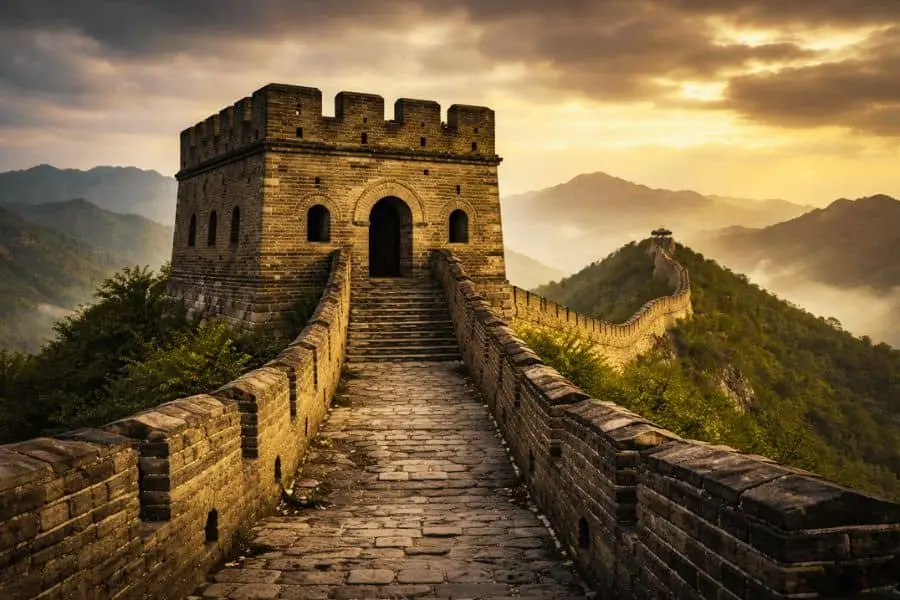
Communication was a critical part of the wall’s defense strategy. Ancient Chinese engineers developed an efficient beacon tower system to relay messages across vast distances.
These towers used combinations of smoke signals during the day and fire signals at night to warn of enemy movements. A single alert could be passed rapidly from tower to tower, allowing military forces to respond quickly to threats.
Some records suggest that different signal patterns were used to indicate the size or urgency of an invasion. This early communication network demonstrates how the Great Wall of China history and engineering included not just physical construction, but also sophisticated military coordination systems.
Longevity and Preservation Techniques
The survival of many sections of the wall for centuries is no accident. Ancient builders carefully selected materials and techniques based on local conditions. The use of stone foundations, brick reinforcements, and sticky rice mortar in later dynasties significantly improved durability.
In mountainous areas, builders also used natural rock formations to reduce structural stress, helping the wall withstand erosion and weathering over time.
Today, preservation efforts are ongoing. Modern restoration projects focus on stabilizing damaged sections, preventing erosion, and managing tourism impact. These efforts aim to protect both the physical structure and its historical integrity, ensuring that the legacy of Great Wall of China history and engineering continues for future generations.
Visiting the Great Wall Today
Visiting the Great Wall of China today is a once-in-a-lifetime experience for travelers around the world. Stretching across northern China, different sections of the wall offer unique landscapes, levels of restoration, and visitor experiences. Whether you’re interested in history, photography, or hiking, there is a section suited for every type of traveler exploring Great Wall of China history and engineering in real life.

Most Popular Sections to Visit
Each section of the wall offers a different perspective of its scale and design:
- Badaling Great Wall
The most famous and heavily restored section. It is easily accessible from Beijing and offers well-maintained paths, cable cars, and visitor facilities, making it ideal for first-time tourists. Mutianyu Great Wall
Known for its scenic beauty and fewer crowds. Surrounded by lush forests, this section is popular for photography and offers a more relaxed hiking experience. - Jinshanling Great Wall
A favorite among hikers and photographers seeking a more rugged and authentic experience. It features partially restored and wild sections, showcasing the wall’s original character.
Travel Tips for First-Time Visitors
To make the most of your visit, careful planning is essential:
- Best Seasons to Visit:
Spring (April–May) and autumn (September–October) offer the most comfortable weather and clear views. Summer can be hot and crowded, while winter is cold but beautifully quiet. - What to Bring:
Comfortable walking shoes, water, sun protection, and light snacks are highly recommended. Some sections involve steep climbs and uneven steps, so proper footwear is essential. - Cultural Etiquette:
Respect the monument by avoiding graffiti, staying on marked paths, and not removing stones or artifacts. The wall is a protected heritage site and a symbol of national pride.
Exploring the Great Wall in person allows visitors to truly appreciate the scale, effort, and engineering brilliance behind the history and engineering of the Great Wall of China, making it far more than just a historical landmark, as it becomes a living experience.
Conclusion
The Great Wall of China remains one of the most extraordinary achievements in human history, standing as a powerful fusion of strategy, culture, and innovation. Across centuries, it evolved from scattered defensive barriers into a unified system that reflects the depth of Great Wall of China history and engineering. Its construction showcases not only military intelligence but also remarkable adaptability, from the use of local materials to advanced communication systems and terrain-based design.
Beyond its physical structure, the wall carries immense cultural meaning. It represents resilience, unity, and the enduring spirit of the civilizations that built and preserved it. From ancient dynasties to modern preservation efforts, it continues to connect the past with the present, reminding the world of what human determination can achieve on a massive scale. Today, the Great Wall is more than a historical monument; it is a living legacy. Whether studied through history books, admired in photographs, or experienced in person, it continues to inspire curiosity and respect. Exploring its story encourages us to appreciate both the ingenuity of ancient engineering and the cultural heritage that shapes our world today.
FAQs
What is the purpose of the Great Wall of China?
The Great Wall of China was built mainly as a defensive structure to protect ancient Chinese states and empires from invasions by northern nomadic groups. Over time, it also helped control trade routes and regulate border movement.
How long is the Great Wall of China?
The Great Wall is made up of many connected walls and sections built across different dynasties. When combined, its total length is over 21,000 kilometers, making it one of the longest construction projects in human history.