
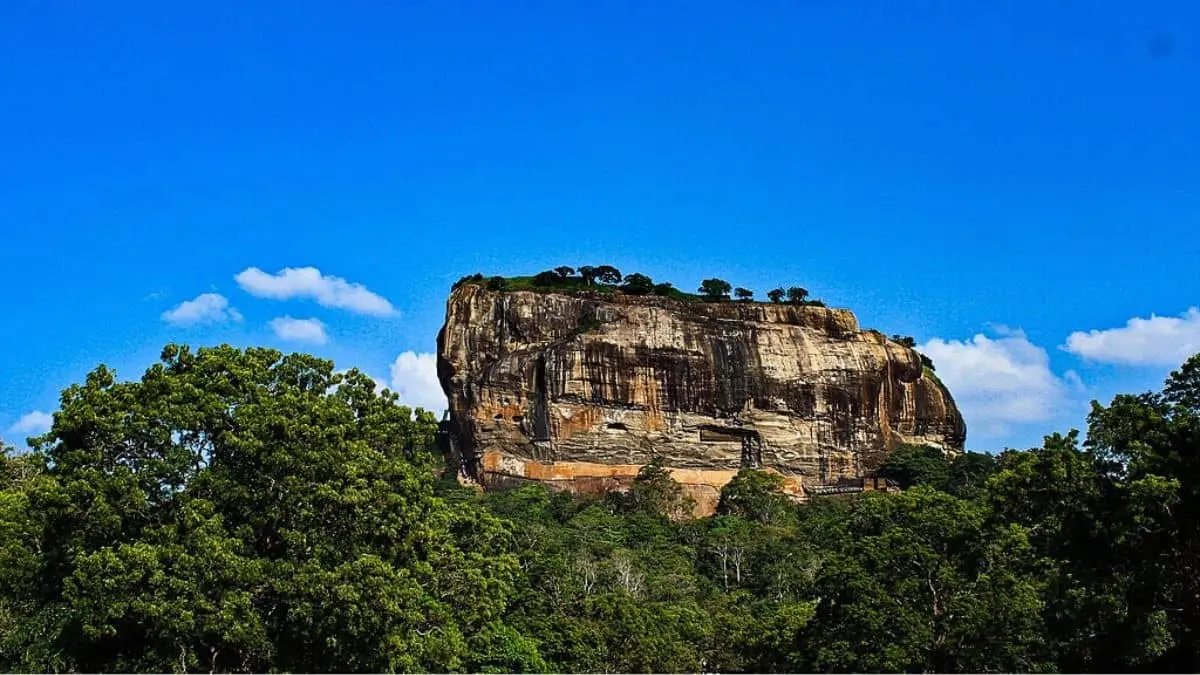
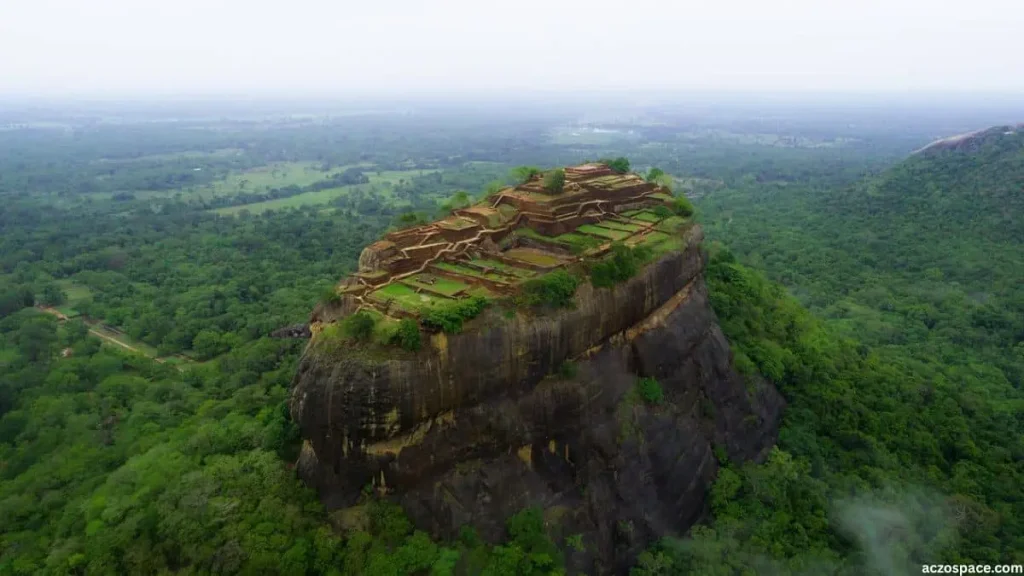
Often referred to as the “Lion Rock,” Sigiriya stands as one of Sri Lanka’s greatest cultural treasures. Rising nearly 200 meters (660 feet) above the surrounding plains, this ancient rock fortress is a breathtaking fusion of natural beauty, royal history, and architectural brilliance. Recognized as a UNESCO World Heritage Site, Sigiriya continues to captivate millions of visitors with its dramatic past and sweeping panoramic views.
More than just a tourist attraction, Sigiriya represents the ingenuity and ambition of ancient Sri Lankan civilization—an enduring symbol of power, artistry, and strategic thinking.
Table of Contents
Quick Facts
| Fact | Detail |
| Name | Sigiriya (Lion Rock) |
| Location | Near Dambulla, Central Province, Sri Lanka |
| Builder | King Kashyapa I (reign 477–495 CE) |
| Built For | Royal palace & fortress atop a granite rock |
| Rock Height | ~200 m (660 ft) above plains |
| UNESCO World Heritage | Yes, since 1982 |
| Famous Features | Lion’s Gate, frescoes, Mirror Wall, Water Gardens |
| Frescoes Remaining | ~20 surviving ancient paintings |
| Original Use After Death | Converted into Buddhist monastery |
| Number of Steps | ~1,200 steps to summit (approx.) |
Location and Geography of Sigiriya
Sigiriya is located in Sri Lanka’s Central Province, within the Matale District, about 15 kilometers north of Dambulla. The site is instantly recognizable by its massive granite rock, which rises abruptly from the flat landscape like a colossal natural monument.
This towering formation resembles a giant lion, a feature that inspired its famous name. From the summit, visitors are rewarded with uninterrupted views of forests, villages, and farmlands, creating one of the most striking landscapes in the country.
The rock itself is composed of ancient granite, its surfaces softened by time and surrounded by lush greenery. King Kashyapa’s decision to build his palace here was far from accidental—the rock’s height, sheer cliffs, and surrounding water features provided natural defenses, making it an ideal stronghold.
The surrounding area includes rocky terrain, terraced gardens, and sophisticated water gardens, reflecting advanced knowledge of landscape design and hydraulic engineering. Thanks to the region’s favorable climate, the environment remains vibrant throughout the year, making Sigiriya a must-visit destination for both history enthusiasts and nature lovers.
Historical Background of Sigiriya
The story of Sigiriya dates back to the 5th century CE, during the reign of King Kashyapa I (477–495 CE). This remarkable fortress was not merely a royal residence—it was a powerful statement of authority, ambition, and political survival.
According to historical chronicles, King Kashyapa seized the throne after overthrowing his father, King Dhatusena. Fearing retaliation from his half-brother Prince Moggallana, the rightful heir, Kashyapa abandoned the traditional capital of Anuradhapura and relocated to Sigiriya, choosing its isolated and defensible position for his new capital.
At the summit of the rock, Kashyapa constructed an elaborate palace complex, complete with landscaped gardens, bathing pools, and fortifications. Lower levels of the rock were adorned with vibrant frescoes, remnants of which survive today, offering rare insight into the artistic sophistication of the era.
Despite its grandeur, Kashyapa’s reign was short-lived. In a decisive battle against Prince Moggallana, Kashyapa was defeated and ultimately took his own life. Following his death, Sigiriya lost its status as a royal capital and was transformed into a Buddhist monastery, which remained active until around the 14th century.
The Architectural Wonders of Sigiriya
Sigiriya is widely regarded as one of the most remarkable feats of ancient architecture in Sri Lanka. The entire complex showcases an extraordinary blend of urban planning, engineering ingenuity, and artistic vision—centuries ahead of its time. Every aspect of the site reflects the sophistication of 5th-century Sri Lankan civilization.
The fortress is built atop a 200-meter-high granite rock, with terraces, galleries, and pavilions carved directly into the stone. At the summit once stood King Kashyapa’s royal palace, complete with water gardens, throne halls, and viewing platforms designed to command awe-inspiring views over the surrounding landscape.
At the base of the rock lies a complex network of moats, ramparts, and water gardens. These demonstrate advanced hydraulic engineering, with a highly symmetrical design that collected and circulated rainwater. This system is considered one of the earliest examples of planned urban landscaping in South Asia.
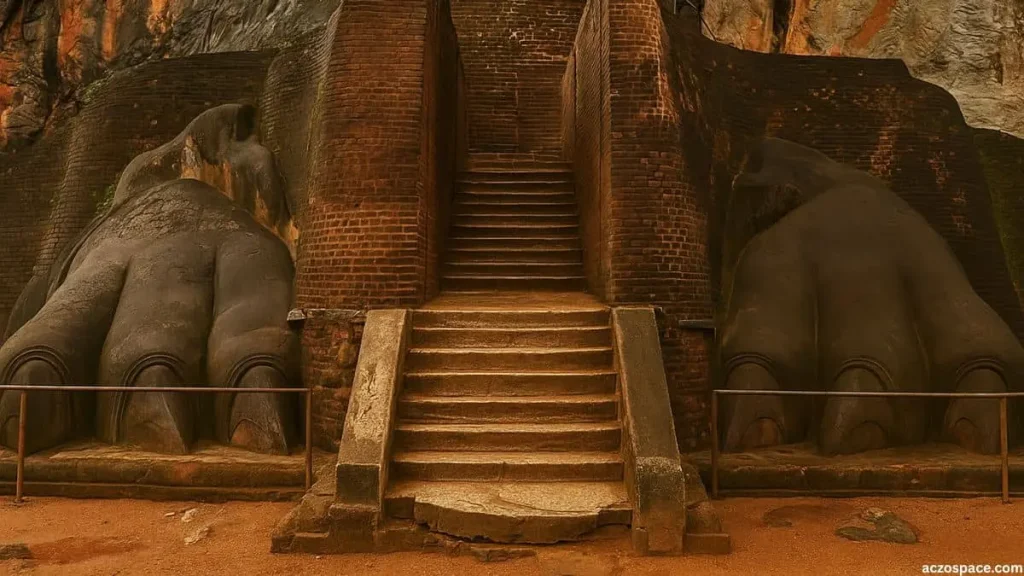
Among the fortress’s most iconic features is the lion-shaped gateway, which originally included a massive lion structure whose paws still survive today. Ancient chronicles describe this gateway as a symbol of power and protection, representing both the authority and the might of the king.
Another standout feature is the mirror wall, a polished plaster surface so smooth that the king could see his reflection as he passed by. Over the centuries, visitors left inscriptions of poems and reflections, making it a living record of social and cultural expression. Many of these writings are among the earliest examples of Sinhala literature.
Together, these elements make Sigiriya not just a fortress, but a masterpiece of architectural innovation—a testament to the wisdom, artistry, and creativity of ancient Sri Lankan culture.
The Sigiriya Frescoes – Timeless Masterpieces
Perhaps the most celebrated artistic legacy of Sigiriya is its famous frescoes. These wall paintings, preserved for over 1,500 years, offer a window into the artistic excellence of ancient Sri Lanka. Their elegance, creativity, and attention to detail continue to fascinate historians, artists, and travelers alike.
The frescoes are located on the western face of the rock, partway up the ascent to the summit. Early studies suggested there were more than 500 paintings, but today, around 20 survive in good condition. Most depict graceful female figures, believed to be celestial maidens or royal attendants, adorned in jewelry, floral motifs, and flowing garments.
These artworks were created using natural pigments, with vivid reds, yellows, and ochres still visible today. Remarkably, despite their age, the colors remain vibrant—a tribute to the skill and technique of the ancient artists.
The style of the frescoes is unique, blending realism with symbolic representation. Soft gestures, delicate hands, and fluid lines not only display technical mastery but also offer insights into Anuradhapura-period cultural values.
For historians and art enthusiasts, the Sigiriya frescoes are more than decorative paintings—they are a living portal into ancient Sri Lankan life and aesthetics. They reveal the sophistication of the civilization that created them and continue to inspire artists and researchers around the world.
Sigiriya, with its architectural ingenuity and artistic treasures, remains a symbol of Sri Lanka’s cultural brilliance and historical depth. From the grandeur of its rock palace to the delicate finesse of its frescoes, the site offers a rare glimpse into a world where power, beauty, and innovation converged in perfect harmony.
The Gardens of Sigiriya: Ancient Engineering Meets Aesthetic Brilliance
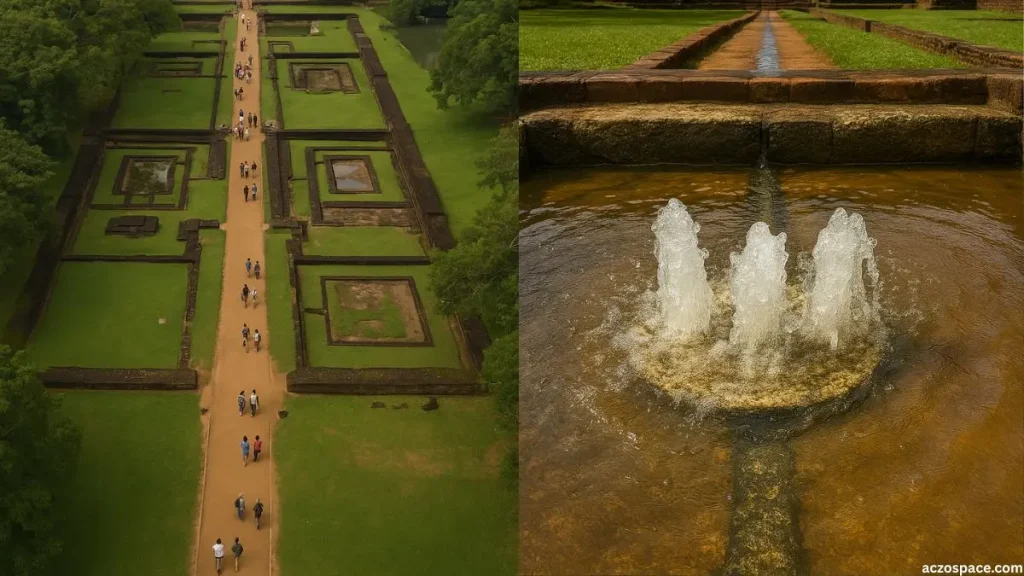
The gardens of Sigiriya are among the oldest and most beautifully designed landscaped gardens in the world. They reflect the ingenuity of ancient Sri Lankan culture, combining advanced engineering, artistic vision, and a deep harmony with nature. Every garden at Sigiriya demonstrates a sophisticated understanding of landscape design, architecture, and natural beauty.
King Kashyapa’s vision was to transform the surrounding plain into a royal paradise, and the gardens were central to this ambition. The complex is traditionally divided into three main sections, each serving a distinct purpose and showcasing a unique design: water gardens, boulder gardens, and terrace gardens.
1. Water Gardens
Located at the base of the rock, the water gardens are a masterpiece of geometric precision and hydraulic engineering. The layout includes symmetric pools, fountains, and channels, all designed to collect and circulate rainwater. Remarkably, some of these fountains still function during the rainy season, over 1,500 years after they were first built.
The water gardens are not only technically sophisticated but also visually stunning, with carefully arranged ponds and streams creating a sense of serenity and order. They are among the earliest examples of planned urban water features in the ancient world.
2. Boulder Gardens
The boulder gardens lie between the water gardens and the rock itself. This area features massive natural rock formations, interconnected with terraces, staircases, and pathways. Archaeologists believe these gardens were used for meditation, performances, and royal ceremonies, blending the rugged beauty of nature with the luxury of the royal court.
The boulder gardens reveal how ancient Sri Lankan designers integrated practical use, aesthetics, and symbolism, creating spaces that were both functional and visually impressive.
3. Terrace Gardens
Carved into the lower slopes of the rock, the terrace gardens form a series of serpentine terraces that lead the eye toward the summit. These terraces offer panoramic views of surrounding forests, plains, and villages, creating a sense of grandeur and scale.
The terrace gardens highlight the ancient engineers’ mastery of symmetry, geometry, and water management, offering visitors a sense of both beauty and balance. Walking through these terraces, one can appreciate the careful planning and precision that went into designing what was likely one of the most complex royal landscapes of the ancient world.
A Testament to Ancient Ingenuity
The gardens of Sigiriya stand as a living testament to the skill, creativity, and vision of ancient Sri Lankan engineers and artists. By combining mathematical precision, hydraulic innovation, and aesthetic design, they created a landscape that has endured for over a millennium and continues to inspire awe.
For historians, architects, and travelers alike, the gardens of Sigiriya offer a rare glimpse into a world where royal ambition, artistic brilliance, and nature’s beauty converged in perfect harmony.
Sigiriya: A Cultural and Archaeological Treasure
Sigiriya occupies a unique place in both Sri Lankan culture and world archaeology. Declared a UNESCO World Heritage Site in 1982, it is widely recognized as one of the best-preserved examples of ancient urban planning and residential architecture in South Asia.
The site reflects the golden age of the Anuradhapura Kingdom, where royal ambition, artistic brilliance, and technological innovation converged. The integration of palaces, frescoes, water gardens, and fortifications demonstrates how ancient Sri Lankans, with limited tools, achieved extraordinary creativity and engineering precision.
Archaeologists have uncovered countless artifacts, including terracotta figurines, tools, and sculptures, offering invaluable insight into 5th-century life, art, and governance. Hidden features like underground tunnels, secret chambers, and water management systems reveal that Sigiriya was far more than a royal residence—it was a highly sophisticated urban center.
Culturally, Sigiriya remains a symbol of national pride. It represents Sri Lanka’s heritage in literature, art, and tourism, and stands as a living testament to the ingenuity, intellect, and resilience of its ancient people.
The Story of King Kashyapa
The history of Sigiriya is inseparable from the dramatic life of King Kashyapa I, whose reign was defined by power, ambition, and intrigue.
Kashyapa was the son of King Dhatusena, ruler of the Anuradhapura Kingdom. Driven by ambition and fear, he overthrew his father with the support of the royal army, imprisoning him and eventually sentencing him to death. This act of patricide haunted Kashyapa for the rest of his life.
Fearing retribution from his half-brother Prince Moggallana, the rightful heir, Kashyapa fled Anuradhapura and selected Sigiriya Rock as his new capital. Here, he built a hidden fortress-palace atop the summit, a bold architectural statement of his power, wealth, and divine authority.
For years, Kashyapa ruled from this luxurious and well-fortified palace, surrounded by gardens, pools, and high defensive walls. Yet, his reign was always overshadowed by the memory of his crimes. Eventually, Prince Moggallana returned from southern India with a large and determined army to reclaim the throne.
During the final battle near Sigiriya, Kashyapa’s forces were significantly outnumbered. A critical misstep led to confusion among his troops, leaving the king isolated. Realizing defeat was inevitable, Kashyapa took his own life, bringing an end to one of the most dramatic chapters in Sri Lankan history.
Following his death, Sigiriya was abandoned as a royal fortress. Over time, it was transformed into a Buddhist monastery, preserving the site’s spiritual and cultural significance. Today, Sigiriya stands as a testament not only to royal ambition and human drama but also to the artistic, architectural, and spiritual legacy of ancient Sri Lanka.
Sigiriya in the Modern Era
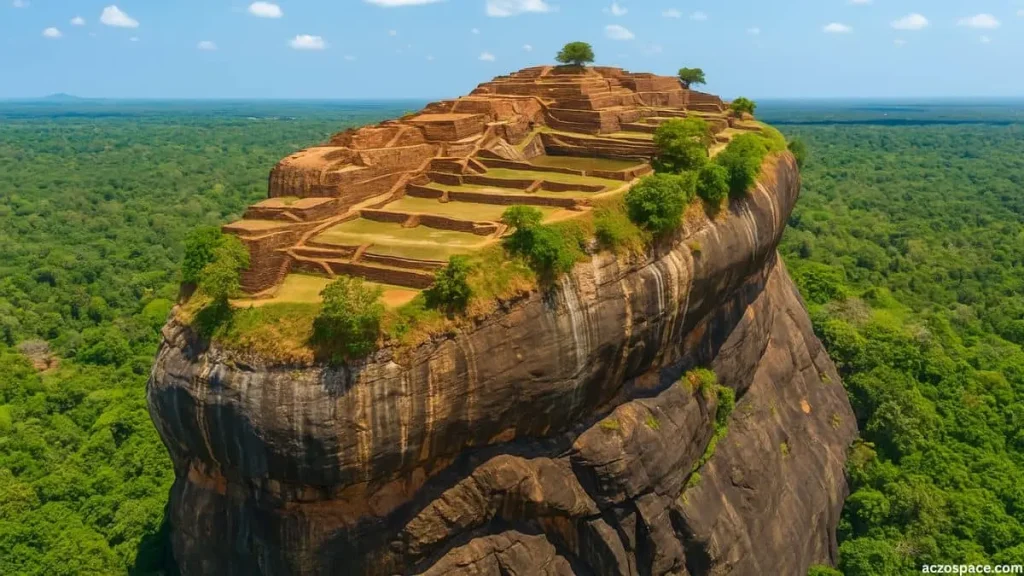
Today, Sigiriya stands as one of Sri Lanka’s most visited and celebrated tourist attractions. Its allure continues to grow, drawing travelers from all over the world. Once a royal palace and fortress, this ancient rock has become a global symbol of Sri Lanka’s heritage, creativity, and architectural brilliance.
Each year, thousands of visitors climb its 1,200 stone steps to reach the summit, enjoying breathtaking views of surrounding forests, villages, and reservoirs. Along the way, they encounter 1,500-year-old frescoes, intricate wall paintings, and meticulously designed royal gardens, each telling a story of the island’s rich past.
Sigiriya is currently managed by Sri Lanka’s Central Cultural Fund, ensuring its preservation for future generations. Ongoing restoration projects protect fragile frescoes, walls, and water systems from both natural and human-induced wear. This careful stewardship maintains the site’s structural integrity while allowing visitors to experience its full grandeur.
In addition to its cultural significance, Sigiriya now plays a vital role in Sri Lanka’s tourism and educational sectors. It has been featured in documentaries, travel blogs, and academic studies, inspiring historians, architects, and photographers worldwide. For visitors, it is more than a historical site—it offers a profound spiritual and cultural experience, bridging the past and present.
Fascinating Facts About Sigiriya
Here are some intriguing details that make Sigiriya truly unique:
- The name “Sigiriya” derives from the ancient Sinhala term “Sinha-giri”, meaning “Lion Rock.”
- The rock fortress was built around 1,500 years ago by King Kashyapa I.
- Originally, there were over 500 frescoes, but only about 20 remain today, preserved for posterity.
- The walls were so polished that the king could see his own reflection in them.
- Even during the rainy season, the water gardens and fountains remain functional, showcasing the sophistication of ancient hydraulic engineering.
- Reaching the summit requires approximately 1,200 steps, offering progressively stunning views.
- At the peak, the king’s royal palace once crowned the rock, carved directly into the natural granite.
- Sigiriya is considered one of the oldest planned urban settlements in Asia, where urban design, art, and residential architecture were seamlessly integrated.
- After King Kashyapa’s death, the site was converted into a Buddhist monastery, preserving its spiritual and cultural significance.
- In 1982, UNESCO designated Sigiriya as a World Heritage Site, recognizing its historical, artistic, and cultural value.
These timeless facts remind visitors that Sigiriya is not merely a rock fortress, but a living testament to human ambition, creativity, and the pursuit of beauty.
How to Experience Sigiriya
For anyone exploring Sri Lanka’s cultural and historical treasures, visiting Sigiriya is an absolute must. Whether you are a history enthusiast, a nature lover, or a photography aficionado, the Lion Rock fortress promises an unforgettable experience that blends history, art, and breathtaking scenery.
Location
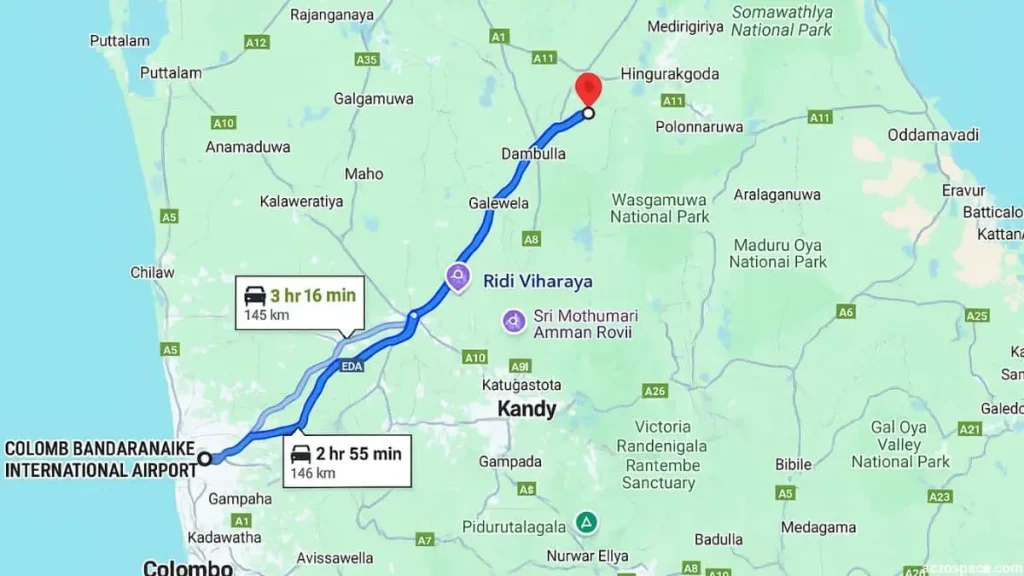
Sigiriya is located in Sri Lanka’s Central Province, approximately 15 kilometers from Dambulla and 175 kilometers from Colombo. The easiest route is via the Colombo–Dambulla–Sigiriya expressway, which is regularly served by buses and private transport. This accessibility makes Sigiriya ideal for both day trips and longer stays.
Best Time to Visit
The best months to explore Sigiriya are January to April and August to September, when the weather is dry and the surrounding landscapes are clearly visible. Climbing the rock is more comfortable during these months. For optimal photography and to avoid the midday heat, it is recommended to visit early in the morning or late in the afternoon. Sunrise and sunset offer particularly stunning views over the surrounding forests and reservoirs.
Tickets and Admission
- Foreign tourists: Approximately USD 30
- Tourists from SAARC countries: Reduced rate
- Local visitors: Discounted rates apply
Tickets can be purchased at the official entrance near the Sigiriya Museum, which provides helpful background information and exhibits on the fortress, frescoes, and gardens.
Opening Hours
Sigiriya is open daily from 7:00 AM to 5:30 PM, with the last entry at 5:00 PM. To fully explore the gardens, frescoes, and summit, it is recommended to arrive early in the morning.
Visitor Tips
- Wear light, breathable clothing and comfortable shoes suitable for climbing.
- Bring water, sun protection, and a hat, as the rock can get very hot during the day.
- Do not skip the Sigiriya Museum, which houses ancient artifacts and models of the fortress.
- For a richer cultural experience, consider visiting nearby attractions such as Pidurangala Rock, the Dambulla Cave Temple, and Minneriya National Park. These sites provide additional insights into Sri Lanka’s history, architecture, and natural heritage.
Climbing Sigiriya is more than a physical journey—it is a journey through history, offering a glimpse into the life of King Kashyapa, the grandeur of his royal palace, and the ingenuity of ancient urban planning. For travelers, Sigiriya provides a unique combination of adventure, education, and cultural immersion that few sites in the world can match.
Conclusion
Sigiriya is far more than an ancient fortress—it is a masterpiece of art, architecture, and human ingenuity. Rising majestically from the Central Plains of Sri Lanka, the Lion Rock captivates visitors with its timeless beauty and enduring sense of mystery.
From King Kashyapa’s royal palace atop the summit to the vibrant frescoes, intricate water gardens, and terraced landscapes below, every corner of Sigiriya reflects vision, innovation, and meticulous planning. It is a place where engineering brilliance meets artistic expression, creating a legacy that has fascinated generations.
Recognized as a UNESCO World Heritage Site, Sigiriya stands as a proud symbol of Sri Lanka’s cultural and historical heritage. In every sense, it lives up to its reputation as one of the world’s eighth wonders—a site that continues to inspire travelers, historians, and dreamers alike. Its allure is timeless, inviting all who visit to step into a story of power, creativity, and enduring beauty.
FAQs
What is Sigiriya famous for?
Sigiriya is famous for its ancient rock fortress, stunning frescoes, and the iconic Lion’s Gate, showcasing Sri Lanka’s rich history and architectural brilliance.