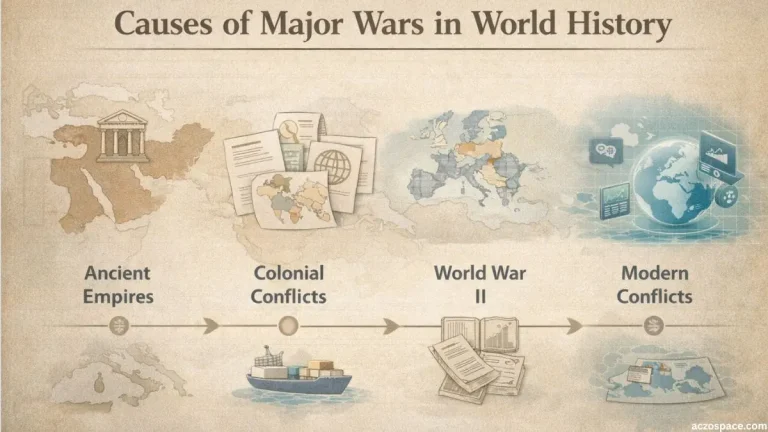
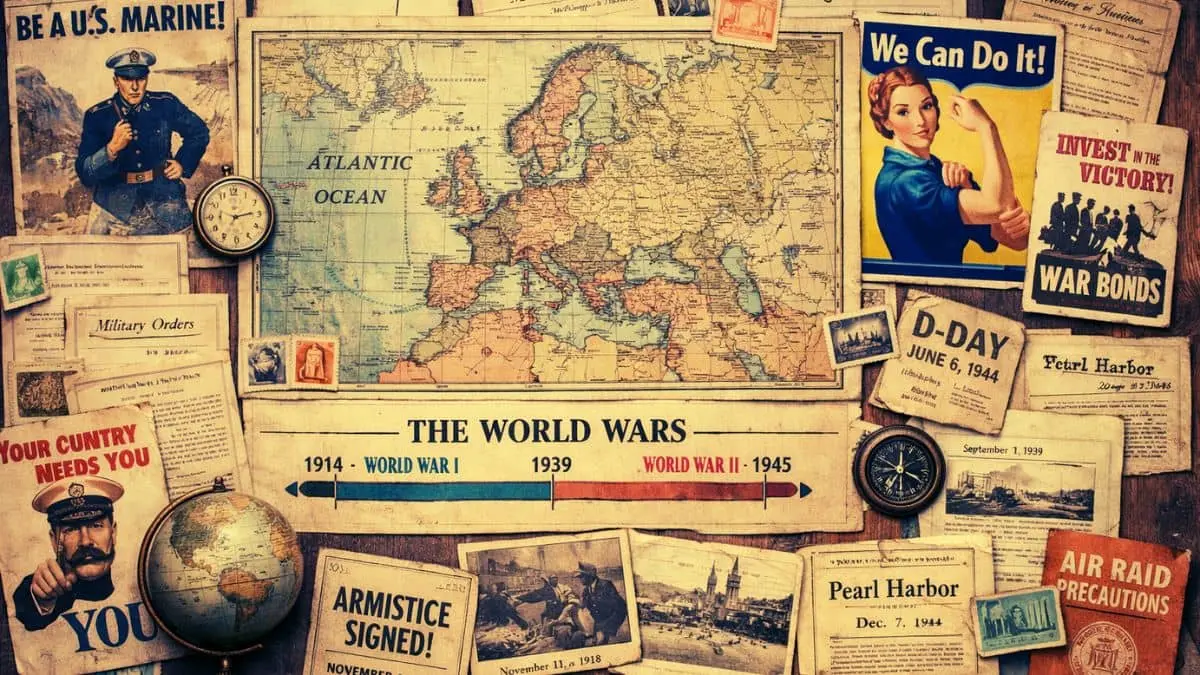
Hidden Truths About World Wars: Secrets History Didn’t Tell You
What if the history you learned in school only told half the story? Behind the major events, famous battles, and well-known leaders lies a deeper, often overlooked reality that is filled with secrecy, manipulation, and untold perspectives.
The hidden truths about world wars reveal that these global conflicts were not just fought on battlefields, but also in newspapers, political backrooms, and the minds of ordinary people. From carefully crafted propaganda to undisclosed agreements between nations, much of what shaped these wars remained concealed from the public eye.
Table of Contents
Understanding these hidden layers matters today more than ever. By looking beyond the official narratives, we gain a clearer view of how politics, media influence, and strategic secrecy shaped the history we think we know and how similar patterns continue to influence the modern world
What Are the Hidden Truths About World Wars?
The hidden truths about world wars refer to the lesser-known facts, suppressed information, and alternative perspectives that are often left out of mainstream historical narratives. These truths may include classified decisions, controversial actions, or the experiences of ordinary people whose voices were never widely recorded. In many cases, history is simplified for education, leaving out the complexity and nuance behind major global events.
Historical records are rarely completely neutral. Governments play a major role in shaping what information is released or withheld, especially during and after wartime. Media outlets often reflect national interests, presenting stories that boost morale or justify political actions. Additionally, history is frequently written by the victors, meaning the winning side has greater control over how events are remembered and interpreted.
Within these hidden layers, several recurring themes emerge. Propaganda was widely used to influence public opinion and maintain support for the war effort. Secret alliances and behind-the-scenes negotiations often determined the direction of conflicts long before the public was aware.
At the same time, countless human stories, especially those of civilians, minorities, and soldiers on the losing side, remain untold or underrepresented. Together, these elements form the deeper reality behind the wars that shaped our world.
Hidden Truths About World Wars and Government Propaganda
One of the most powerful yet often overlooked aspects of global conflict is the role of propaganda. When exploring the hidden truths about world wars, it becomes clear that information itself was used as a weapon that was carefully crafted to influence how people thought, felt, and acted during wartime
How Propaganda Shaped Public Opinion
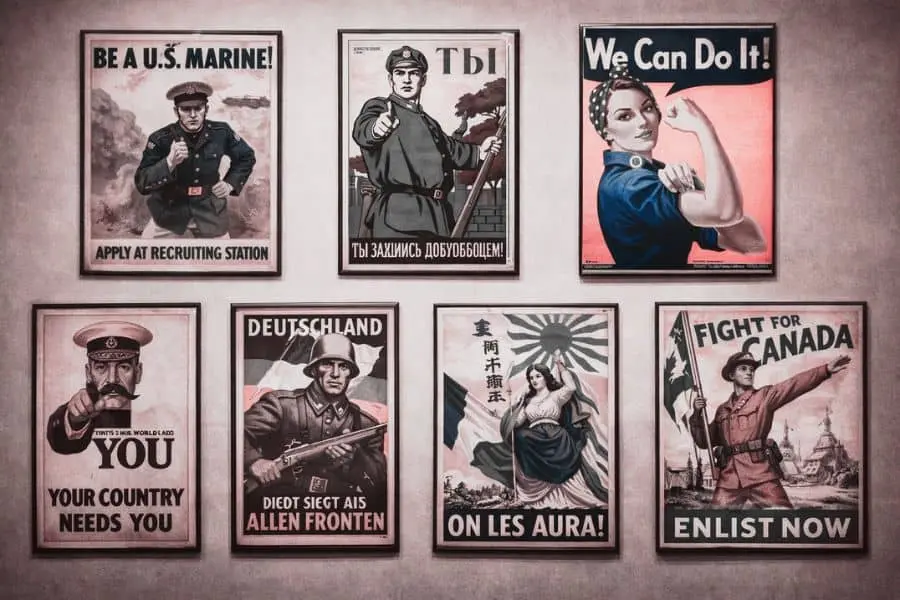
During both World War I and World War II, governments tightly controlled the flow of information. News was filtered, censored, or even fabricated to maintain public support and suppress dissent. Citizens were rarely given a full or accurate picture of what was happening on the front lines.
Propaganda appeared in many forms, including eye-catching posters encouraging enlistment, patriotic films that glorified national strength, and newspapers that highlighted victories while downplaying losses. Messages were designed to evoke strong emotions such as pride, fear, and unity. In some cases, enemy nations were portrayed in exaggerated or dehumanizing ways to justify the conflict and strengthen national resolve.
By shaping what people saw and heard, governments were able to maintain morale and ensure continued support for the war effort, even during difficult times.
Truth vs. Narrative: What Was Hidden?
While propaganda promoted a carefully constructed narrative, many harsh realities were deliberately concealed. Casualty numbers were often underreported or delayed, and military failures were rarely disclosed to the public. Controversial decisions, strategic mistakes, and internal conflicts within leadership were kept out of mainstream discussion.
This selective storytelling created a gap between reality and perception. People at home often believed the war was progressing more positively than it actually was. As a result, public morale remained stable, but at the cost of transparency and truth.
These hidden aspects reveal how powerful controlled narratives can be. By understanding this dimension of the hidden truths about world wars, we can better recognize how information can be shaped, and why questioning official accounts is essential when studying history.
Secret Alliances and Behind the Scenes Deals
Another layer of the hidden truths about world wars lies in the secret agreements and quiet negotiations that took place far from the public eye. While citizens followed headlines and battlefield updates, world leaders were often making critical decisions behind closed doors, decisions that would shape the outcome of entire conflicts.
Agreements the Public Never Knew About
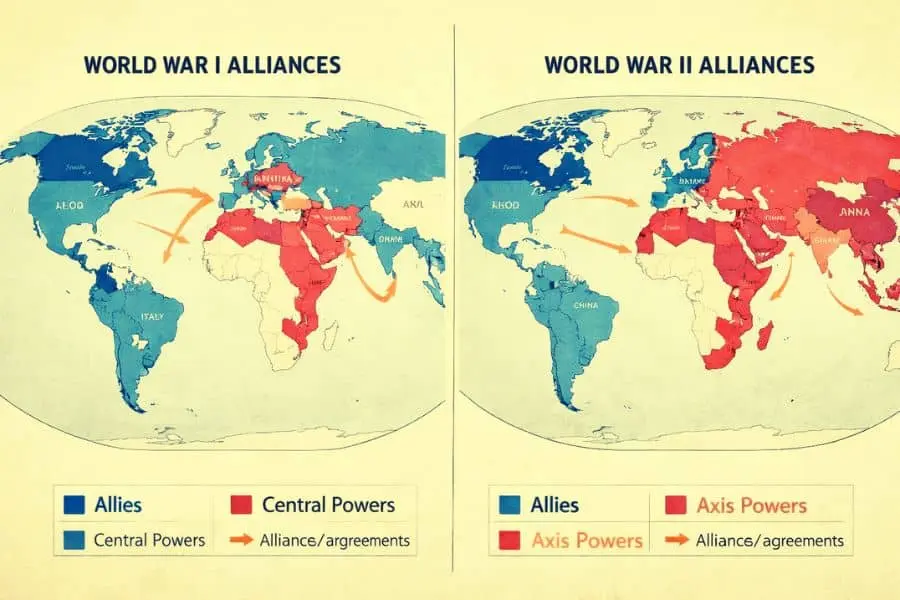
Throughout both World Wars, governments entered into secret treaties and negotiations that were never disclosed to their citizens at the time. These agreements often involved promises of territory, political influence, or military support in exchange for strategic advantages.
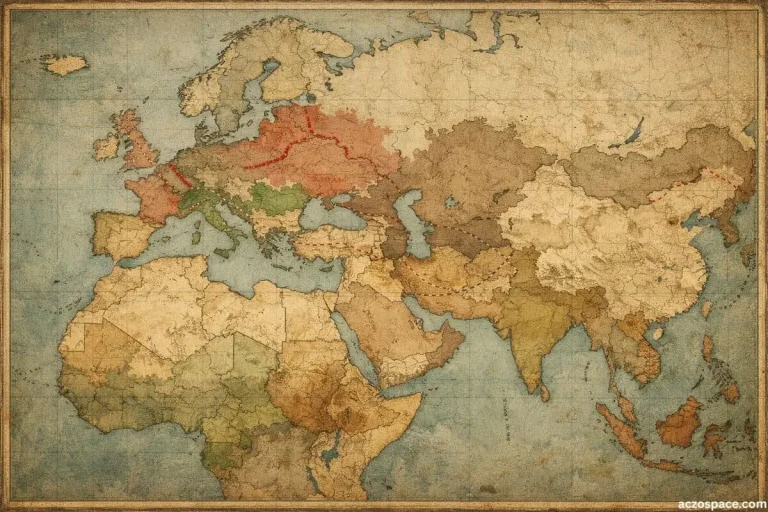
One well-known example is the Sykes-Picot Agreement, a covert deal between Britain and France to divide parts of the Middle East after World War I. Similarly, the Molotov-Ribbentrop Pact included a hidden protocol that secretly split Eastern Europe into spheres of influence.
These deals were kept hidden for several reasons. Governments feared public backlash, especially when agreements contradicted official statements or ethical standards. Secrecy also provided strategic advantages, as enemies who were unaware of alliances or plans could have the balance of power shifted unexpectedly
How These Deals Changed the Course of History
The impact of these undisclosed agreements was profound. Secret alliances often determined which countries joined the war, when they entered, and on whose side. In some cases, they escalated tensions and contributed directly to the outbreak or expansion of conflict.
For instance, hidden agreements created distrust among nations and, in some cases, led to long-term regional instability that continues even today. Borders drawn in secrecy, without local input, resulted in conflicts that lasted decades beyond the wars themselves.
By uncovering these elements, we gain a deeper understanding of how global power dynamics were shaped not just by battles, but by quiet decisions made in private rooms. These behind-the-scenes deals are a crucial part of the hidden truths about world wars, revealing that diplomacy and deception often played as significant a role as military force.
The Untold Human Cost of World Wars
When examining the hidden truths about world wars, one of the most profound yet often overlooked aspects is the immense human suffering that extended far beyond the battlefield. While history books tend to focus on strategies and victories, the lived experiences of millions of ordinary people remain largely underrepresented.
Civilian Suffering Beyond the Battlefield
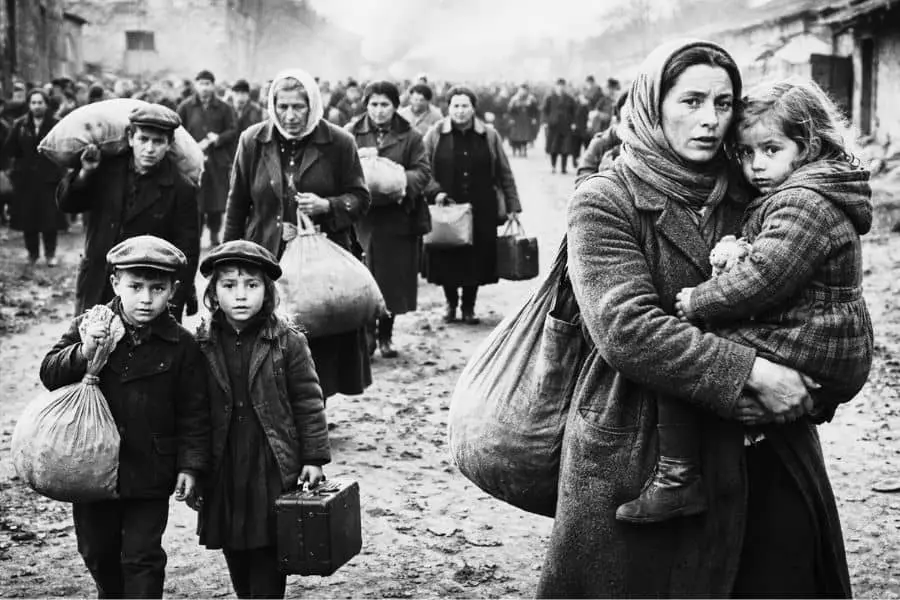
World wars did not only affect soldiers but also devastated entire populations. Civilians faced mass displacement as cities were destroyed and borders shifted. Families were forced to flee their homes and became refugees with little hope of return.
Famine and resource shortages were also widespread. Wartime blockades and disrupted supply chains led to hunger on a massive scale, particularly in war-torn regions. In addition, constant fear, loss, and uncertainty caused deep psychological trauma that lasted long after the wars ended.
Events like the Holocaust and the atomic bombings of Hiroshima and Nagasaki highlight the extreme toll on civilian life. Yet even beyond these major tragedies, countless personal stories of suffering, survival, and resilience were never documented or widely shared.
Forgotten Voices in History
Another critical dimension of the hidden truths about world wars is the silence surrounding many marginalized groups. Women, children, colonized populations, and ethnic minorities often played significant roles during the wars, yet their experiences were frequently overlooked or minimized in traditional historical accounts.
Women, for example, took on essential roles in factories, hospitals, and support services, keeping nations functioning during wartime. Meanwhile, soldiers from colonized regions fought in conflicts that were not their own, often without recognition or equal treatment.
Additionally, many minority communities endured discrimination, forced labor, or displacement, but their stories were rarely included in mainstream narratives. As a result, history as commonly told does not fully reflect the diversity of experiences during these global conflicts.
By bringing these voices to light, we begin to see a more complete and human-centered picture of war that goes beyond dates and battles to reveal the real cost borne by millions.
Hidden Technological Experiments and War Innovations
Among the most fascinating yet unsettling hidden truths about world wars are the secret scientific projects and rapid technological advancements developed under extreme pressure. War often accelerates innovation, but many of these breakthroughs were conducted in secrecy, with consequences that shaped the modern world.
Secret Weapons and Classified Projects

During both World Wars, nations invested heavily in covert research to gain a strategic edge. These classified projects led to the creation of powerful new weapons and technologies that were kept hidden from the public and sometimes even from allied nations.
One of the most significant examples is the Manhattan Project, a top-secret initiative that developed the first atomic bombs. Similarly, Germany’s V-2 rocket program, led by Wernher von Braun, marked the beginning of modern missile technology and later influenced space exploration.
These innovations had long-term global impacts. Nuclear weapons changed the nature of warfare and international relations, leading to the Cold War and ongoing debates about deterrence. Rocket technology, initially developed for destruction, eventually paved the way for satellite systems and space missions.
Ethical Questions Behind Wartime Innovation
While these advancements pushed the boundaries of science, they also raised serious ethical concerns. Many wartime experiments were conducted under conditions that ignored basic human rights, including forced labor and non-consensual testing.
The development and use of atomic weapons, for instance, sparked global debates about morality, responsibility, and the limits of scientific progress. Scientists and leaders were forced to confront difficult questions: Should innovation continue if it leads to mass destruction? Where should the line be drawn between national security and ethical responsibility?
These dilemmas remain relevant today as modern technologies such as artificial intelligence and advanced weaponry continue to evolve. Understanding this aspect of the hidden truths about world wars helps us reflect on the cost of progress and the importance of ethical decision-making in times of conflict.
Economic Motives Behind World Wars
Beyond ideology and nationalism, another layer of the hidden truths about world wars lies in economics. Wars were not only fought for power and territory; they were also deeply connected to financial interests, industrial growth, and global economic control.
Who Benefited Financially?
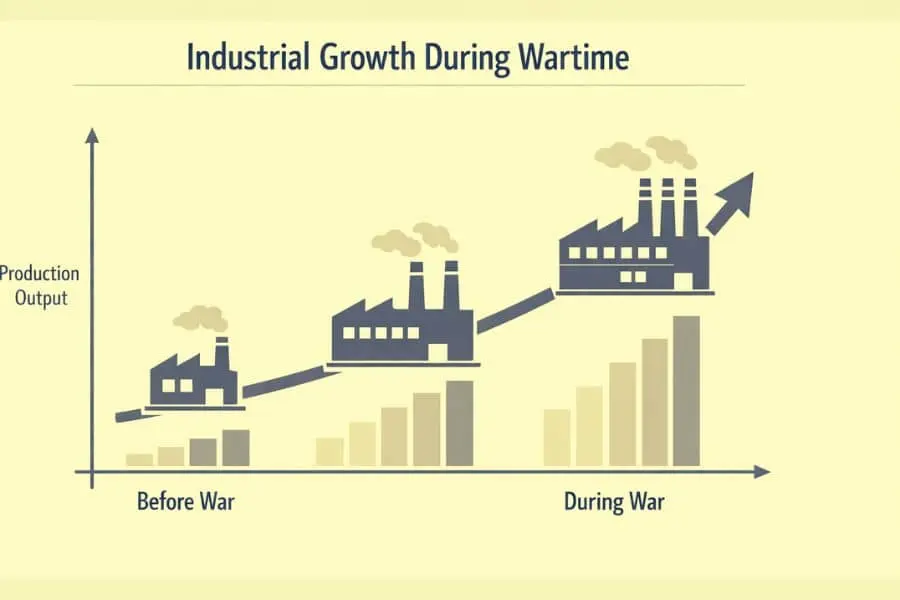
While millions suffered, certain industries and economies experienced significant growth during wartime. Arms manufacturers, steel producers, oil companies, and transportation sectors often saw massive increases in demand as nations mobilized for conflict.
For example, companies like Krupp in Germany and Lockheed Corporation in the United States played key roles in supplying weapons and military equipment. Wartime production created jobs and stimulated industrial expansion, particularly in countries less directly affected by battlefield destruction.
Additionally, financial institutions and lenders sometimes profited by funding war efforts, creating long-term economic ties between governments and private industries. This economic boost, however, often came at the expense of global stability and human lives.
War as a Business Strategy
In some cases, economic interests didn’t just benefit from war; they helped shape it. Access to resources such as oil, minerals, and trade routes influenced strategic decisions and military campaigns. Nations sought to secure these assets to strengthen their economies and weaken their rivals.
Political decisions were sometimes influenced by powerful industrial and financial groups that stood to gain from prolonged conflict. This created a complex relationship between governments and businesses, where war could be seen not only as a necessity but also as an opportunity.
Understanding this dimension reveals that global conflicts were not driven solely by ideology or defense. Economic motivations often played a silent but powerful role in shaping decisions, making them a crucial part of the hidden truths about world wars.
Lessons We Can Learn from Hidden Truths About World Wars
Exploring the hidden truths about world wars reveals that history is far more complex than it often appears. These conflicts were not shaped by a single cause or perspective but by a combination of political agendas, economic interests, technological advancements, and human experiences, many of which were hidden or minimized over time.
One key takeaway is the importance of looking beyond official narratives. Governments and media have historically influenced how events are presented, which means the version of history we receive may be incomplete. By questioning sources, comparing perspectives, and seeking deeper context, we gain a more accurate and balanced understanding of the past.
Critical thinking is essential when studying history. Rather than accepting information at face value, readers should ask: Who is telling this story? What might be missing? Why was certain information withheld? These questions help uncover biases and bring hidden dimensions to light.
Finally, these lessons are highly relevant today. Modern global conflicts still involve propaganda, strategic alliances, economic motivations, and technological competition, just in more advanced forms. By understanding the patterns and hidden truths about world wars, we become better equipped to interpret current events, recognize misinformation, and make informed decisions as global citizens.
In the end, history is not just about what happened; it is about how we understand it, question it, and learn from it.
Conclusion
Uncovering the hidden truths about world wars allows us to see history from a deeper, more honest perspective. Beyond the well-known events and dates lies a complex web of propaganda, secret deals, human suffering, technological ambition, and economic motives that shaped the world we live in today. Recognizing these hidden layers helps us move beyond simplified narratives and develop a more informed understanding of global history.
It also reminds us that history is not always as straightforward as it seems. By questioning dominant narratives and exploring multiple sources, we become more critical thinkers and better equipped to separate fact from interpretation and truth from influence.
Now it’s your turn. What surprised you most about these hidden aspects of world wars? Share your thoughts in the comments, start a discussion, or explore more in-depth history content on our blog to continue uncovering the stories that history didn’t fully tell.
FAQs
What are the hidden truths about world wars?
The hidden truths about world wars refer to lesser-known facts that are often left out of mainstream history. These include secret alliances, government propaganda, economic motives, and the untold experiences of civilians and marginalized groups.
Why were some facts about world wars kept secret?
Many details were kept secret to maintain public morale, protect national security, or gain strategic advantages. Governments often controlled information to shape public opinion and avoid panic or opposition during wartime.