Abraham Lincoln Biography: The Inspiring Life, Leadership, and Legacy of America’s Greatest President
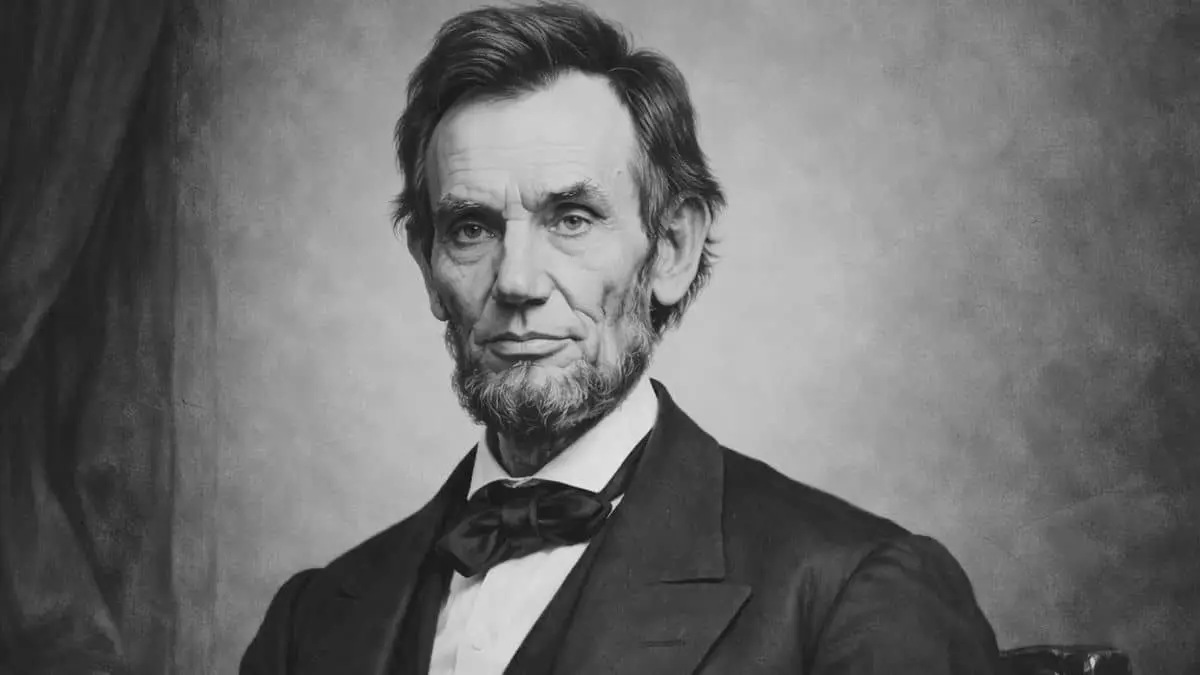
Abraham Lincoln is one of the most respected and influential leaders in American history. Born into humble beginnings, he rose through determination, self-education, and strong moral values to become the 16th President of the United States. His leadership during one of the nation’s most difficult periods shaped the future of the country in profound ways.
Lincoln’s story continues to matter in modern America because it reflects timeless values such as equality, perseverance, and unity. His role in leading the nation through the American Civil War and his commitment to ending slavery have made him a symbol of justice and leadership worldwide.
Table of Contents
In this Abraham Lincoln biography, you will discover his early life, political journey, presidency, major achievements, and the lasting legacy he left behind. Whether you’re a student, history enthusiast, or curious reader, this guide will help you understand why Abraham Lincoln remains a defining figure in American history.
Abraham Lincoln Biography: Early Life and Humble Beginnings

Birth and Childhood in Kentucky
Abraham Lincoln was born on February 12, 1809, in a small log cabin in Kentucky. His birthplace, known today as the Sinking Spring Farm, was located in a rural area where life was simple but often challenging. Lincoln’s parents, Thomas and Nancy Lincoln, were farmers who struggled to make a steady living, which meant young Abraham experienced hardship from an early age.
Growing Up in Poverty and Self-Education
Lincoln’s childhood was marked by poverty and limited access to formal education. Schools were scarce, and he attended classes only briefly. However, Lincoln had a deep passion for learning. He taught himself by reading borrowed books, often studying by firelight after long days of physical labor. This self-driven education played a major role in shaping his intelligence and critical thinking skills, which later defined his leadership.
Early Influences That Shaped His Character
Several early experiences helped shape Lincoln’s strong moral values and character. The loss of his mother at a young age deeply affected him, while his stepmother Sarah Bush Johnston encouraged his love of reading and learning. Living on the American frontier also taught him resilience, honesty, and hard work: qualities that later earned him the nickname “Honest Abe.”
These formative years laid the foundation for the remarkable journey described in this Abraham Lincoln biography, showing how determination and character can overcome even the toughest beginnings.
Abraham Lincoln Biography: Rise in Politics
First Steps into Leadership
Abraham Lincoln began his political journey in the 1830s with a strong desire to serve the public. His first attempt to win a seat in the Illinois State Legislature ended in defeat, but he did not give up. Through persistence and growing community support, Lincoln was eventually elected in 1834.
During his time in the legislature, Lincoln developed a reputation for honesty, clear thinking, and practical problem-solving. He focused on issues like infrastructure, economic development, and lawmaking, while also continuing his self-education in law, eventually becoming a respected lawyer.
Lincoln’s Political Beliefs
A defining part of this Abraham Lincoln biography is his strong stance against the expansion of slavery. While Lincoln initially aimed to prevent slavery from spreading into new territories rather than abolishing it outright, his views evolved over time into a firm moral opposition.
His beliefs were most famously expressed during the debates with Stephen A. Douglas in 1858. These debates, known as the Lincoln-Douglas Debates, brought national attention to Lincoln’s ideas about freedom, democracy, and equality.
Although he did not win the Senate seat, these debates significantly boosted his reputation across the country and set the stage for his eventual rise to the presidency.
Abraham Lincoln Biography: Presidency and the Civil War
Becoming the 16th President
In 1860, Abraham Lincoln won the presidential election as the candidate of the Republican Party. His victory marked a turning point in American history, as his anti-slavery stance alarmed many Southern states.
At the time, the nation was deeply divided over issues like slavery, states’ rights, and economic differences between the North and South. Even before Lincoln officially took office, several Southern states began to secede from the Union, forming what would become the Confederacy. This rising tension set the stage for a national crisis unlike any before.
Leading During the Civil War
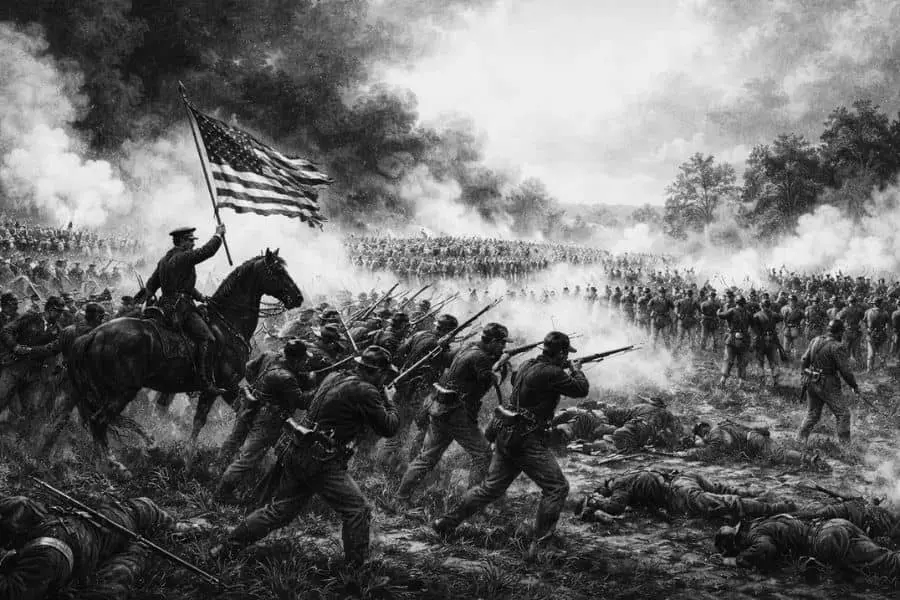
The outbreak of the American Civil War shortly after Lincoln’s inauguration placed enormous responsibility on his shoulders. As president, Lincoln’s primary goal was to preserve the Union, even as the country was torn apart by war.
Lincoln faced numerous leadership challenges, including managing military strategy, dealing with political opposition, and maintaining public support. Despite early setbacks on the battlefield, he remained determined and made critical decisions such as appointing capable generals and redefining the war’s purpose to include the fight against slavery.
His steady leadership, clear vision, and resilience during this turbulent period are central to any Abraham Lincoln biography, highlighting why he is remembered as one of America’s greatest presidents.
Abraham Lincoln Biography: Emancipation and Major Achievements
The Emancipation Proclamation
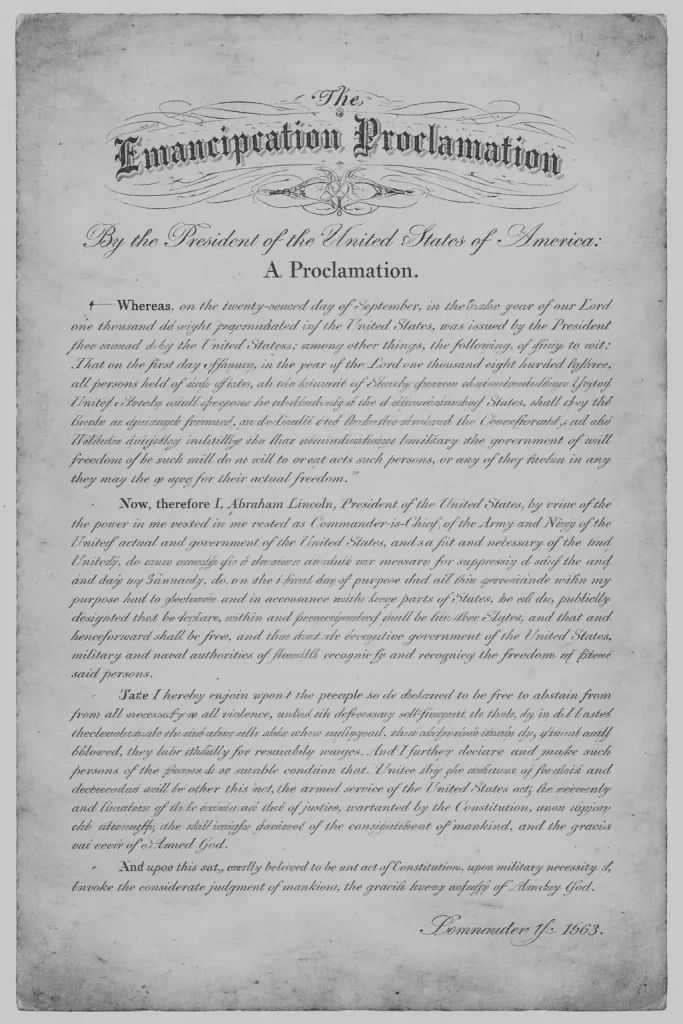
One of the most defining moments in the life of Abraham Lincoln was the issuance of the Emancipation Proclamation on January 1, 1863. This historic order declared that enslaved people in Confederate states were to be set free.
The importance of the Emancipation Proclamation goes beyond its immediate legal impact. It transformed the purpose of the American Civil War from simply preserving the Union to also fighting for human freedom. It also prevented foreign nations from supporting the Confederacy, strengthening the Union’s position internationally.
The impact on slavery and the nation was profound. Although it did not instantly free all enslaved individuals, it paved the way for the eventual abolition of slavery across the United States and marked a major step toward equality.
Key Accomplishments
Beyond the Emancipation Proclamation, Lincoln achieved several milestones that shaped the future of the nation and remain central to this Abraham Lincoln biography.
- Preserving the Union:
Lincoln’s most critical achievement was keeping the United States united during its greatest internal conflict. His determination ensured that the nation did not permanently split apart. - Strengthening Democracy:
During a time of war and division, Lincoln upheld democratic values, including free elections and constitutional governance. His leadership demonstrated that democracy could survive even under extreme pressure. - Promoting Equality:
Lincoln’s evolving stance on slavery and human rights helped lay the foundation for a more equal society. His actions ultimately contributed to the passage of the 13th Amendment, which permanently ended slavery in the United States.
These achievements highlight Lincoln’s lasting impact, proving why he is remembered as a leader who not only guided a nation through crisis but also helped redefine its values.
Abraham Lincoln Biography: Assassination and National Impact
Events Leading to His Death
As the American Civil War drew to a close in 1865, Abraham Lincoln focused on healing a deeply divided nation. He promoted a vision of reconciliation, urging Americans to move forward “with malice toward none.” However, not everyone supported his plans, especially those who strongly opposed the Union victory and the end of slavery.
Tensions remained high, and this unstable environment created the conditions for a tragic event that would shock the nation.
Assassination by John Wilkes Booth
On April 14, 1865, while attending a play at Ford’s Theatre, Lincoln was shot by John Wilkes Booth, a Confederate sympathizer. The attack was part of a larger conspiracy aimed at disrupting the U.S. government.
Lincoln died the following morning, becoming the first U.S. president to be assassinated. His death marked a heartbreaking moment in American history, just as the nation was beginning to reunite.
National Mourning and Immediate Aftermath
The assassination of Lincoln led to an outpouring of grief across the United States. Millions of Americans mourned the loss of a leader who had guided the country through its darkest days. His funeral procession traveled through several cities, allowing citizens to pay their respects.
In the immediate aftermath, leadership passed to Andrew Johnson, who faced the difficult task of continuing Reconstruction. Lincoln’s death left a lasting emotional and political impact, making this moment a critical part of any Abraham Lincoln biography and a turning point in the nation’s history.
Abraham Lincoln Biography: Legacy and Historical Significance
Why Lincoln Remains a Respected Leader
Abraham Lincoln is widely regarded as one of the greatest presidents in American history. His ability to lead the nation through the American Civil War with determination, honesty, and compassion set him apart as a remarkable leader. Lincoln’s humility, strong moral compass, and commitment to unity continue to inspire generations of Americans.
Influence on Civil Rights and Leadership Values
Lincoln’s actions played a crucial role in shaping the future of civil rights in the United States. Through measures like the Emancipation Proclamation and his support for the 13th Amendment, he helped lay the groundwork for a more equal society.
His leadership style marked by resilience, integrity, and empathy has become a model for leaders around the world. Lincoln demonstrated that true leadership involves making difficult decisions for the greater good, even during times of crisis.
Memorials Like the Lincoln Memorial
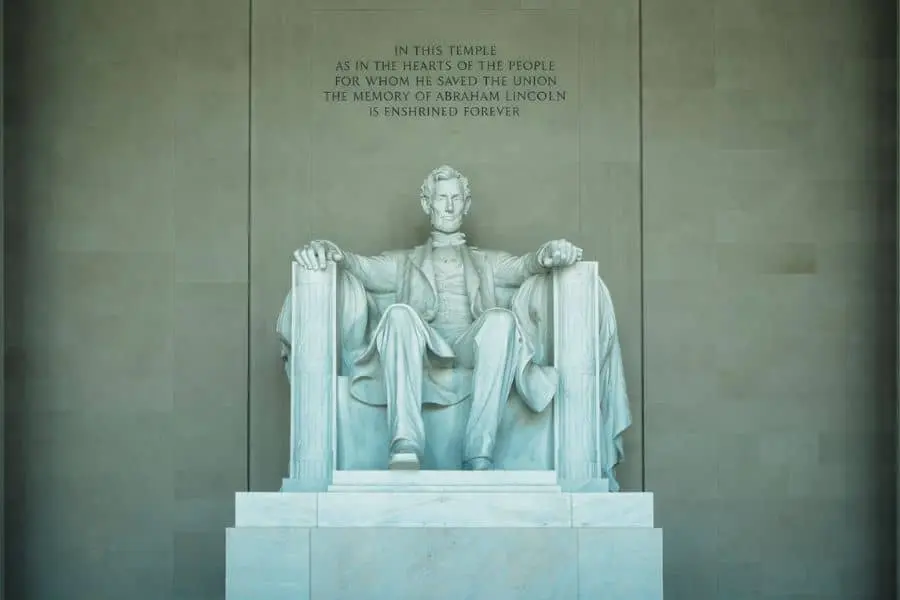
One of the most powerful symbols of Lincoln’s legacy is the Lincoln Memorial in Washington, D.C. This iconic monument honors his contributions and serves as a place of reflection for millions of visitors each year.
The memorial has also been the site of historic events, including speeches during the civil rights movement, reinforcing Lincoln’s lasting impact on equality and justice. Today, his legacy lives on not only through monuments but also through the enduring values he helped define in American society.
Lessons from Abraham Lincoln’s Life
Leadership Qualities (Honesty, Resilience, Vision)
Abraham Lincoln is often remembered not just for his achievements, but for the values he demonstrated throughout his life. His honesty earned him the nickname “Honest Abe,” reflecting his integrity and commitment to truth.
Lincoln’s resilience was equally remarkable. From repeated political failures to leading the nation during the American Civil War, he never gave up in the face of adversity. His ability to stay focused during difficult times made him a powerful and steady leader.
His vision for a united and equal nation set him apart. Lincoln believed in a future where freedom and opportunity were available to all, and he worked tirelessly to turn that vision into reality.
Lessons Applicable to Modern Readers
The lessons from Lincoln’s life are still highly relevant today, making this Abraham Lincoln biography valuable for modern readers:
- Never stop learning:
Lincoln’s self-education shows that knowledge and growth are possible regardless of circumstances. - Perseverance leads to success:
His early failures remind us that setbacks are part of the journey, not the end of it. - Lead with integrity:
Honesty and strong values build trust and long-term respect. - Stay focused on long-term goals:
Lincoln’s vision helped guide the nation through crisis toward a better future.
These timeless lessons continue to inspire students, professionals, and leaders, proving that Lincoln’s life story is not just history but a guide for personal and professional growth today.
Conclusion
The life of Abraham Lincoln is a powerful story of determination, leadership, and lasting impact. From his humble beginnings in Kentucky to becoming one of America’s greatest presidents, Lincoln’s journey reflects resilience, self-belief, and a deep commitment to justice. His leadership during the American Civil War, along with his role in ending slavery, stands as one of the most significant achievements in U.S. history.
Lincoln’s story still matters today because it teaches us the importance of unity, equality, and strong moral leadership. In a rapidly changing world, his values continue to inspire individuals to lead with honesty, face challenges with courage, and work toward a better future for all.
If you found this Abraham Lincoln biography helpful, share it with others or explore more historical biographies on our blog!
FAQs
Why is Abraham Lincoln’s legacy important today?
Lincoln’s leadership, honesty, and vision for equality continue to inspire generations. His actions helped shape civil rights, preserve democracy, and set standards for moral leadership in the United States.
What were Abraham Lincoln’s major achievements?
Lincoln preserved the Union during the American Civil War, issued the Emancipation Proclamation to free enslaved people in Confederate states, and promoted the 13th Amendment, permanently abolishing slavery in the United States.