Traditional African Music History and Culture: Discover the Powerful Roots Behind Global Sound
Traditional African music history and culture represent one of the richest and most diverse musical traditions in the world Rooted in centuries old customs these musical forms are deeply connected to daily life spirituality and community across the African continent Unlike many modern music styles traditional African music is not just for entertainment it serves as a powerful tool for storytelling communication and preserving history through generations
The global influence of traditional African music history and culture is undeniable. Its rhythms, instruments, and vocal styles have shaped major genres such as jazz, blues, gospel, and hip-hop, many of which are deeply embedded in American culture today. From the syncopated beats to call-and-response singing, the legacy of African music continues to resonate across continents.
Table of Contents
For audiences in the United States, exploring traditional African music offers more than just a listening experience, as it provides a deeper understanding of cultural roots, diversity, and historical connections. In today’s increasingly globalized world, learning about these musical traditions helps foster appreciation, cultural awareness, and a stronger connection to the origins of many modern sounds we enjoy today.
What Is Traditional African Music?
Traditional African music history and culture refer to the diverse musical practices that have been passed down through generations across the African continent. Rather than being a single style, it is a rich collection of sounds, rhythms, and performances shaped by different ethnic groups, languages, and regions. Despite this diversity, there are shared characteristics that define traditional African music, including strong rhythmic patterns, call-and-response vocals, and a deep connection to daily life.
One of the most important features of traditional African music is its foundation in oral traditions. Music is not typically written down but learned through listening, repetition, and participation. Elders and skilled performers pass songs, rhythms, and meanings to younger generations, ensuring that cultural knowledge and history are preserved. Performances are often community-based, where music is created and experienced collectively rather than performed for a passive audience.
Beyond entertainment, traditional African music plays a vital role in many aspects of life. It is used as a form of communication, sending messages across villages or marking important events. Music is central to rituals and ceremonies, including births, marriages, and funerals, often connecting communities with their ancestors and spiritual beliefs. Additionally, it serves as a powerful tool for storytelling, allowing people to share history, values, and life lessons through rhythm and song.
Origins of Traditional African Music History and Culture
The origins of traditional African music history and culture can be traced back thousands of years, developing uniquely across the vast regions of the African continent. From West Africa’s rhythm driven traditions to East Africa’s melodic vocal styles, each area shaped its own musical identity based on environment, lifestyle, and cultural practices. These early beginnings were not isolated, as they evolved alongside human activities such as farming, hunting, and community gatherings.
Tribes and ethnic groups played a major role in shaping musical traditions. With over a thousand languages spoken across Africa, music became a unifying force that reflected linguistic diversity while preserving cultural identity. Geography also influenced sound and style, as coastal communities often incorporated flowing rhythms and chants, while inland regions emphasized percussion and polyrhythms. Instruments, materials, and performance styles were all shaped by what was naturally available in each region.
Traditional African music is deeply connected to ancient rituals and spiritual beliefs. Music was often seen as a bridge between the physical and spiritual worlds, used to honor ancestors, celebrate life events, and seek guidance or protection. Drumming, chanting, and dancing were not just performances, but they were sacred acts embedded in religious and cultural ceremonies.
Music as a Form of Oral History
In traditional African societies, music served as a powerful form of oral history. Songs were used to tell stories about ancestors, historical events, moral lessons, and community values. Skilled storytellers and musicians, often known as griots in some cultures, carried the responsibility of preserving and sharing this knowledge.
Without written records, these musical traditions became essential for maintaining history. Through rhythm, repetition, and performance, important information was passed down accurately from one generation to the next. This made music not only an art form but also a living archive of traditional African music history and culture.
Key Instruments in Traditional African Music
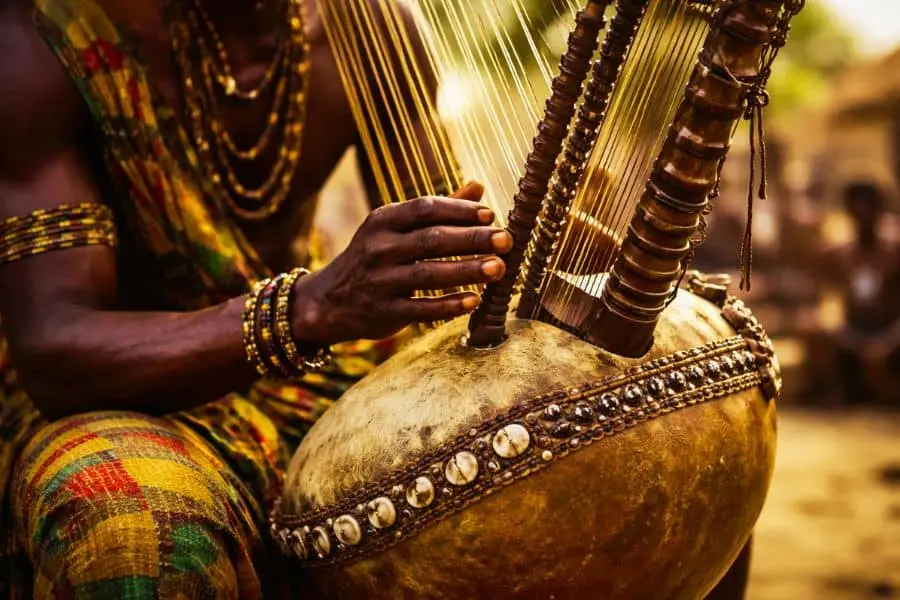
Traditional African music history and culture are brought to life through a wide variety of unique instruments, each with its own sound, purpose, and cultural meaning. These instruments are often handmade using natural materials such as wood, animal skin, gourds, and metal. They are not only tools for creating music but also symbols of identity, tradition, and community connection across different African regions.
Drums – The Heartbeat of African Music
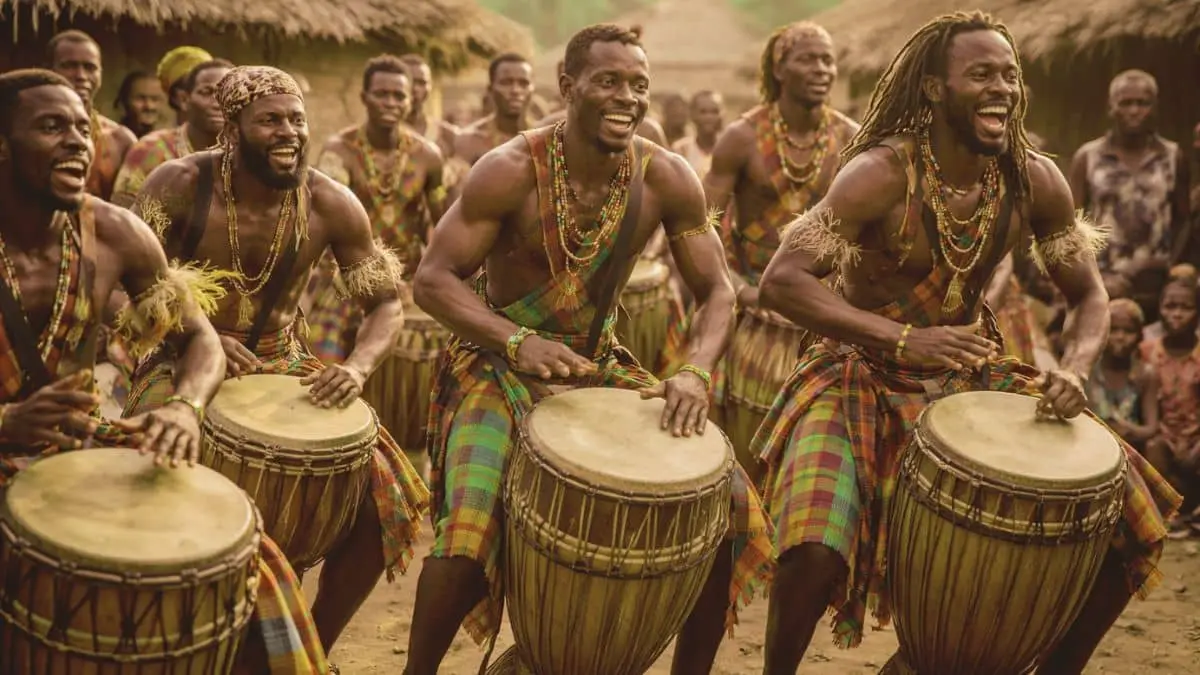
Drums are the most iconic and essential instruments in traditional African music. Often referred to as the “heartbeat” of African culture, drums provide the foundation for rhythm and movement. They are used in ceremonies, celebrations, and everyday life, guiding dancers and uniting communities through shared beats.
Beyond rhythm, drums serve as a powerful form of communication. In many cultures, specific drum patterns can convey messages, announce events, or even mimic the tones of spoken language. This makes drumming both a musical and social tool, deeply embedded in traditional African music history and culture.
String Instruments
String instruments play a key role in adding melody and emotional depth to African music. Instruments like the kora, a harp-like instrument from West Africa, and the ngoni, a traditional lute, are widely used by storytellers and musicians.
These instruments are closely linked to storytelling traditions. Musicians use them to accompany songs that share historical events, personal experiences, and cultural values. The gentle yet expressive sounds of string instruments help bring stories to life, making them memorable and engaging for listeners.
Wind and Percussion Instruments
Wind and additional percussion instruments add variety and richness to traditional African music. Flutes and horns are commonly used to create melodic lines, often inspired by nature or spiritual themes. These instruments can produce soothing or powerful sounds depending on the context.
Percussion instruments such as shakers, rattles, and bells enhance rhythm and texture. They are often used alongside drums to create complex, layered beats. Regional variations are significant, as different communities have developed their own unique instruments and playing styles, reflecting the diversity within traditional African music history and culture.
Cultural Significance of Traditional African Music
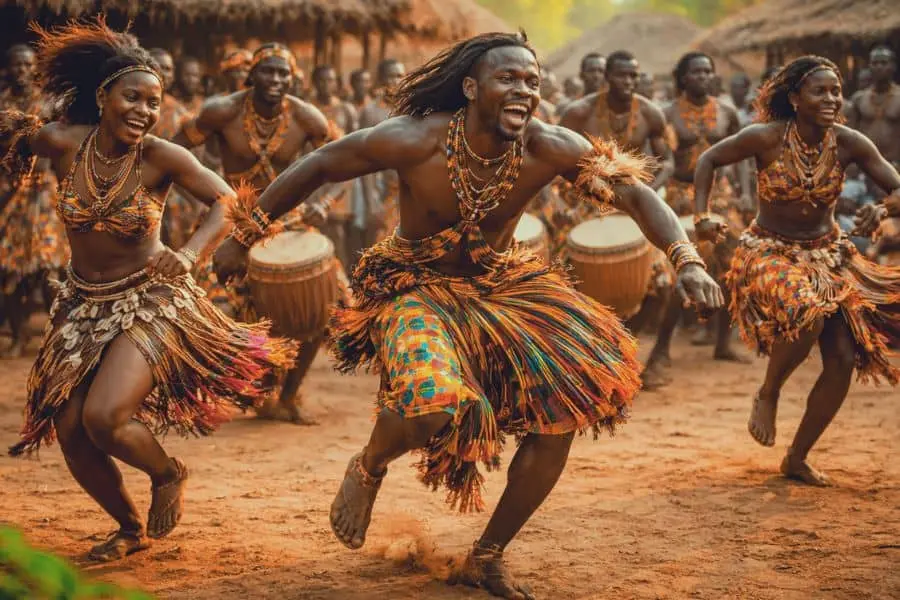
Traditional African music history and culture are deeply woven into the social and spiritual fabric of everyday life. Music is not treated as a separate activity but as an essential part of important life events, beliefs, and relationships within the community. It carries meaning, emotion, and purpose far beyond simple entertainment.
One of the most important roles of music is its presence in ceremonies and life events. From birth celebrations to marriage rituals and funeral rites, music helps mark key transitions in life. Each occasion has its own rhythms, songs, and dances that reflect the emotions and cultural values tied to that moment. For example, joyful drumming and singing may celebrate new life or union, while slower, more reflective music is used to honor the deceased.
Traditional African music also maintains a strong connection to spirituality and ancestors. In many cultures, music is believed to bridge the gap between the physical and spiritual worlds. Songs, chants, and rhythms are used in religious rituals to communicate with ancestors, seek guidance, and express gratitude. This spiritual dimension gives music a sacred role, making performances meaningful and deeply respected.
In addition, music plays a vital role in community bonding. It brings people together, encouraging participation through singing, dancing, and shared experiences. Rather than being performed for an audience, traditional African music is often interactive, where everyone has a role to play. This collective participation strengthens social ties, preserves cultural identity, and reinforces a sense of unity within the community.
Regional Diversity in Traditional African Music
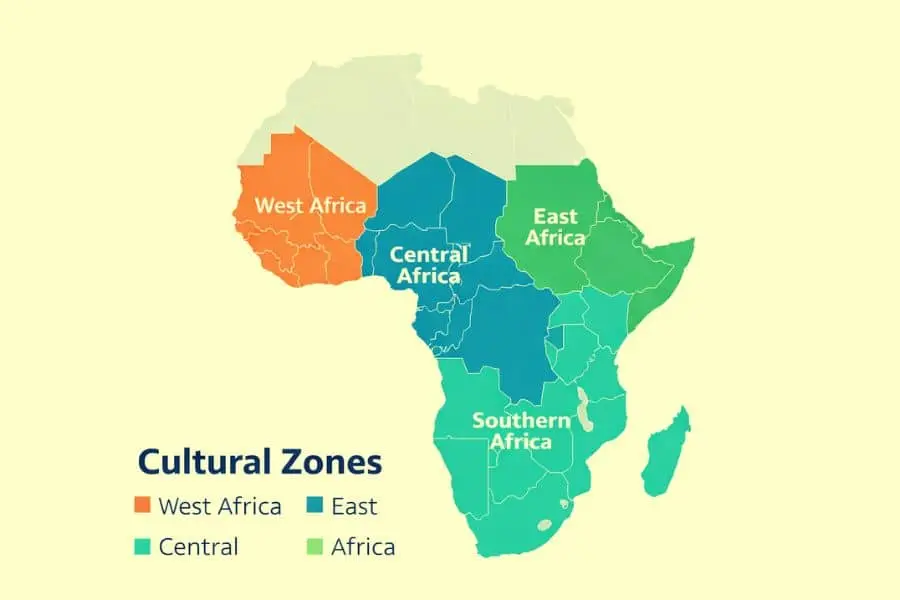
Traditional African music history and culture are incredibly diverse, reflecting the vastness of the continent and the many cultures within it. Music varies significantly between West, East, Central, and Southern Africa, with each region developing its own unique rhythms, styles, instruments, and performance practices. These differences are shaped by local traditions, languages, environments, and social structures.
In some regions, rhythm takes center stage with complex drum patterns, while in others, melody and vocal expression are more prominent. Instruments also vary widely, ranging from stringed instruments and flutes to drums and percussion, which highlights the creativity and adaptability of different communities. This regional diversity is one of the defining features of traditional African music history and culture.
West African Music Traditions
West Africa is widely known for its strong drumming culture and rich rhythmic complexity. Drums such as the djembe and talking drum are central to musical expression, often used in ceremonies, storytelling, and communication. Music in this region frequently features layered rhythms (polyrhythms) and energetic performances that involve both musicians and the community.
Call-and-response singing is also common, encouraging interaction between performers and participants. This dynamic style has had a major influence on global music, especially in genres like jazz and blues.
East African Musical Styles
In contrast, East African music often emphasizes vocals and string instruments. Melodic singing, sometimes accompanied by instruments like the lyre or regional stringed instruments, plays a key role in musical expression. The rhythms tend to be more subtle compared to West African traditions, allowing vocal harmonies and lyrical storytelling to stand out.
Music in East Africa is often used to express social themes, cultural identity, and historical narratives. While still deeply rooted in community and tradition, it showcases a different musical texture within the broader landscape of traditional African music history and culture.
Influence of Traditional African Music on Global Culture
Traditional African music history and culture have had a profound and lasting impact on global music, especially in the United States. Many of today’s most popular genres, such as jazz, blues, hip-hop, and gospel, have deep roots in African musical traditions. Elements like polyrhythms, call and response patterns, improvisation, and expressive vocals all originated from African cultural practices and were carried across generations.
During the era of the transatlantic slave trade, African people brought their musical knowledge and traditions with them to the Americas. Despite facing immense hardship, they preserved these elements through songs, spirituals, and communal performances. Over time, these traditions evolved into new musical forms. For example, blues and gospel music reflect African rhythmic structures and emotional storytelling, while jazz introduced improvisation and syncopation that echo African musical principles. Hip-hop, a more modern genre, continues this legacy through rhythm, spoken word, and cultural expression.
This process was driven by the African diaspora, which played a crucial role in the cultural exchange between Africa and the rest of the world. Music became a powerful way to maintain identity, resist oppression, and connect communities across continents. As a result, traditional African music history and culture became foundational to many global music styles.
Today, the influence of traditional African music continues to grow in modern music. Contemporary artists often blend traditional rhythms and instruments with genres like pop, R&B, and electronic music. This fusion not only keeps the traditions alive but also introduces them to new audiences worldwide. For listeners in the United States, recognizing these influences offers a deeper appreciation of how interconnected global music truly is.
Traditional African Music in Modern Times
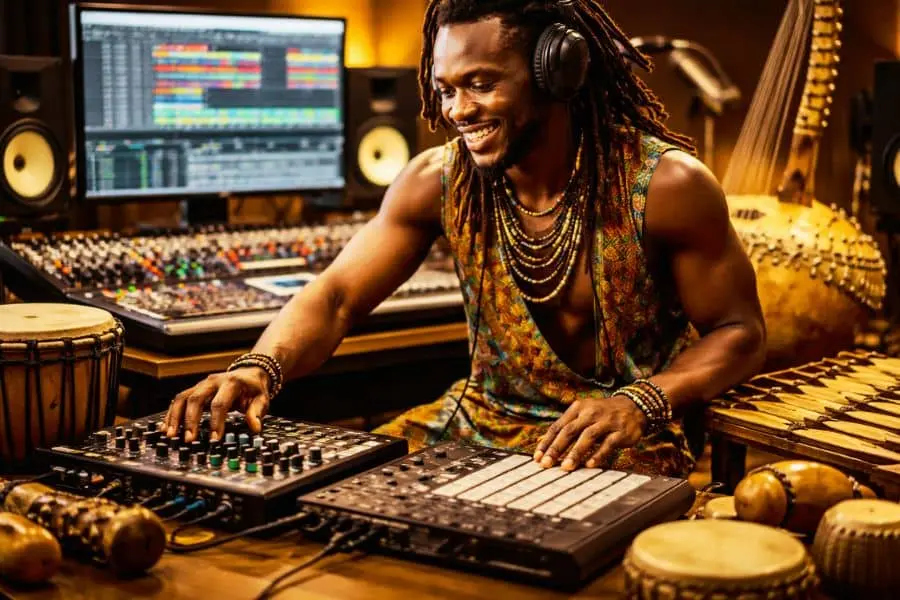
Traditional African music history and culture continue to thrive in the modern world through a combination of preservation efforts, cultural revival, and global innovation. While many traditions have been passed down orally for generations, there is now a growing movement to document, protect, and celebrate these musical practices for future generations.
One key aspect of this effort is cultural preservation and revival. Organizations, educators, and local communities across Africa are working to record traditional songs, teach younger generations, and keep indigenous instruments and performance styles alive. Festivals, cultural programs, and academic research all play an important role in ensuring that traditional African music history and culture are not lost over time.
At the same time, traditional African music is evolving through fusion with modern genres. Many contemporary artists blend traditional rhythms, instruments, and vocal styles with hip-hop, jazz, Afrobeat, and electronic music. This fusion creates fresh, innovative sounds while still honoring cultural roots. It also helps bridge the gap between older and younger audiences, making traditional elements more accessible and relevant today.
Digital platforms have further expanded the reach of traditional African music. Streaming services like Spotify, YouTube, and Apple Music allow artists and cultural content to reach global audiences instantly. Social media and online communities also make it easier to share performances, educate listeners, and celebrate cultural diversity. As a result, traditional African music history and culture are no longer limited by geography, as they are now part of a global conversation.
Why Traditional African Music Still Matters Today
Traditional African music history and culture remain highly relevant in today’s world, serving as a powerful link between the past and present. In a time of rapid globalization, these musical traditions play a crucial role in preserving cultural identity and heritage. They help communities stay connected to their roots, values, and ancestral knowledge, ensuring that important traditions are not lost over time.
Beyond cultural preservation, traditional African music offers significant educational value for global audiences. For listeners in the United States and around the world, it provides insight into Africa’s rich history, diversity, and social structures. Through rhythm, lyrics, and performance, people can learn about different cultures, belief systems, and historical experiences in a way that is engaging and meaningful.
Traditional African music history and culture also contribute to ongoing conversations around diversity and inclusion. By exploring and appreciating these musical traditions, individuals gain a deeper understanding of cultural differences and shared human experiences. It encourages respect, openness, and cross-cultural appreciation, which are values that are essential in today’s interconnected world.
Ultimately, traditional African music is more than a historical art form, as it is a living expression of identity, education, and unity that continues to inspire people across generations and cultures.
Conclusion
Traditional African music history and culture offer a powerful journey through time, revealing the deep connections between music, community, and identity. From its ancient origins and rich regional diversity to its meaningful role in ceremonies and storytelling, this musical tradition stands as a living record of Africa’s heritage.
Its influence extends far beyond the continent, shaping global genres like jazz, blues, gospel, and hip-hop, especially within the United States. This lasting global impact highlights how deeply interconnected music and culture truly are, as it bridges histories and communities across generations.
Now more than ever, there is an opportunity to explore, listen, and appreciate traditional African music. Whether through streaming platforms, cultural events, or educational resources, engaging with this rich heritage can deepen your understanding of the world and the roots of modern music.
FAQs
Why is traditional African music important?
Traditional African music is important because it preserves cultural identity, communicates social values, and connects people to their heritage. It also plays a key role in ceremonies and has influenced many global music genres.
What instruments are used in traditional African music?
Common instruments include drums, string instruments like the kora and ngoni, and wind instruments such as flutes and horns. These instruments are often handmade and vary by region, contributing to the diversity of traditional African music history and culture.